

Dyslexia & Reading Support for Children
If your child struggles with reading, spelling, sounding out words, or reading fluently, we're here to help. At Enrichment Therapy & Learning Center, we provide individualized, evidence-based reading and dyslexia intervention to help children strengthen foundational literacy skills and build confidence. Available in Johnston and North Liberty, IA, in person or virtually.
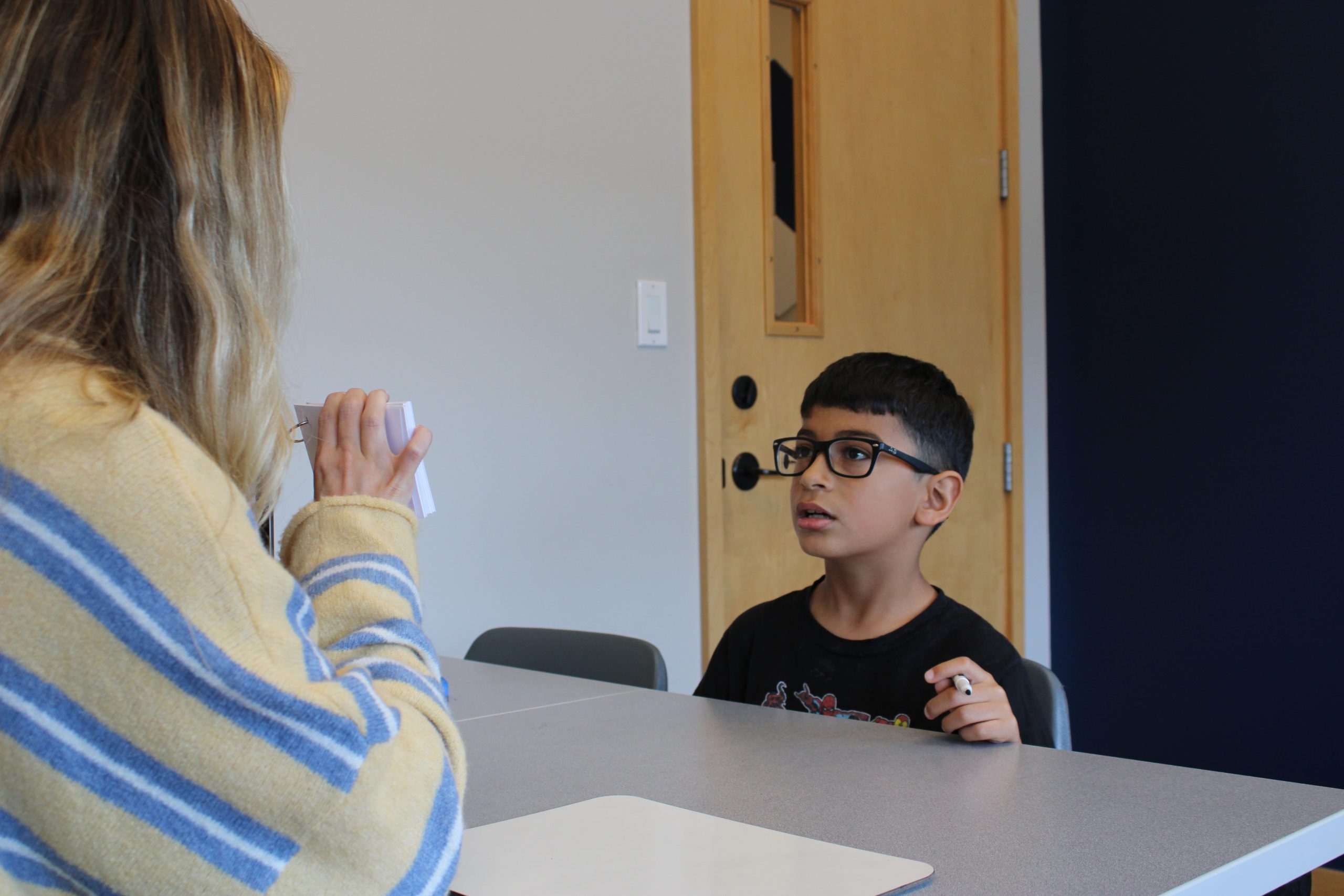
What Is Dyslexia?
Dyslexia is a learning difference that makes it hard to connect letters to sounds. It affects reading, spelling, and sounding out words, and it is not related to intelligence.
Many children with dyslexia have strong thinking skills and creativity while working harder than their peers to read and spell. With specialized, structured instruction, children can build the skills they need to read with more accuracy and confidence.
Signs Your Child May Need Dyslexia Support
Children with dyslexia often have many strengths while experiencing unexpected difficulty with reading and spelling. Parents may notice that their child is bright, creative, and a strong problem-solver but continues to struggle with literacy skills despite instruction and practice.
Dyslexia can look different at every age. Recognizing the signs early can help families better understand their child’s needs and find the right support.
Early Childhood
Difficulty learning or recalling the names of familiar people or places, difficulty pronouncing multisyllabic words, trouble recognizing or producing rhymes, or difficulty connecting sounds with letters.
Elementary Age
Difficulty sounding out unfamiliar words, learning letter-sound patterns, remembering high-frequency words, spelling accurately, or developing fluent reading.
Older Students
Slow or effortful reading, difficulty decoding unfamiliar multisyllabic words, persistent spelling challenges, avoiding reading aloud, or needing significantly more time to complete reading and writing assignments.
How Can Enrichment Therapy & Learning Center Help?
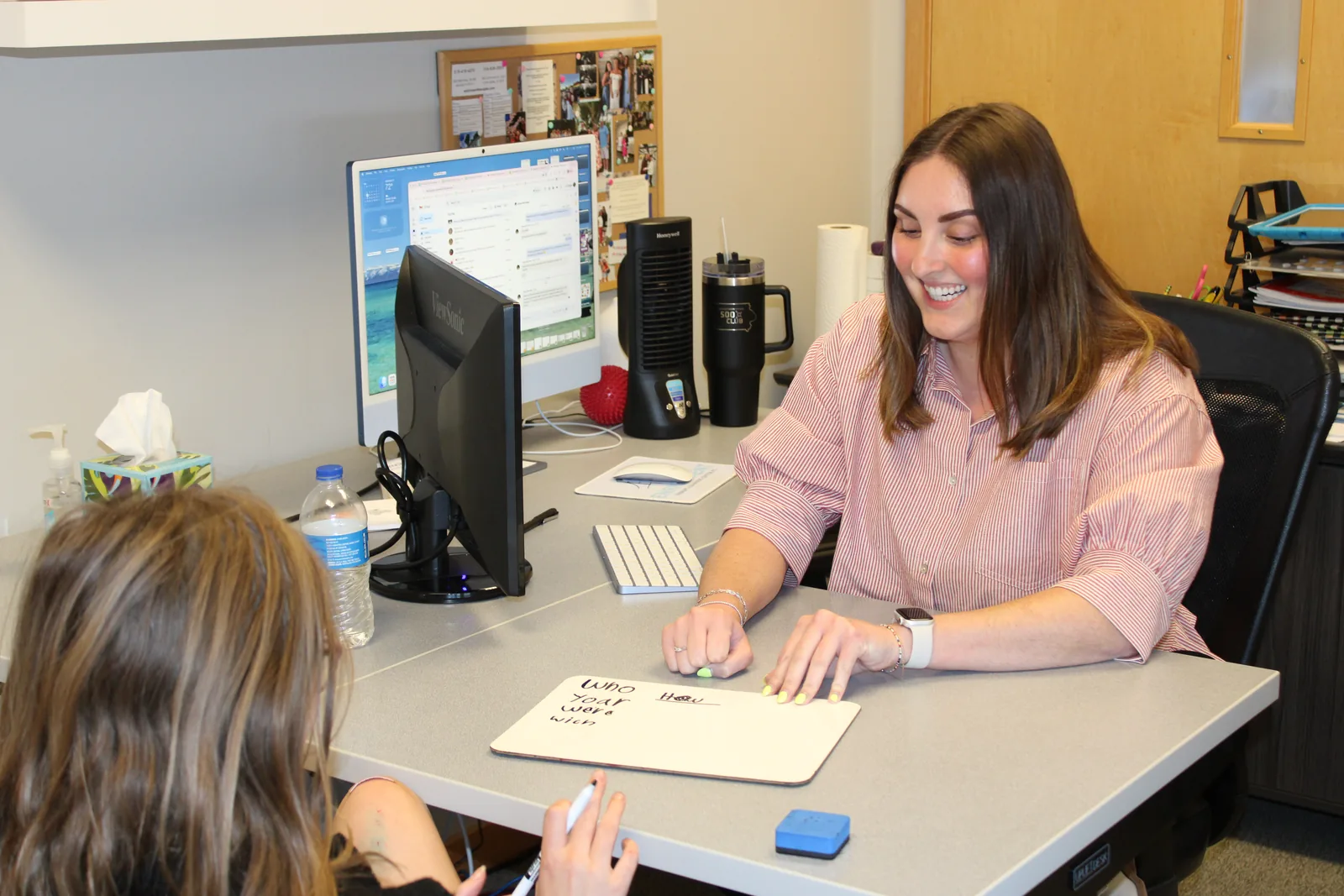
We provide individualized, evidence-based reading and dyslexia intervention. Our speech-language pathologists and learning specialists use structured, explicit instruction to build phonological awareness, decoding, spelling, fluency, and comprehension.
Sessions are one-on-one, and we adjust the plan as your child's skills grow.
Why Choose ETLC?
What Families Are Saying

"I am incredibly grateful for the positive impact Enrichment Therapy has had on my son's academic growth over the past year. Since starting with Enrichment, he has received invaluable support in reading, handwriting, and math. One of the most significant benefits we've experienced is the team at Enrichment's keen observation of his struggles. They recommended testing him for dyslexia, which led to an accurate diagnosis. Being aware of this has been a game-changer for us, as it has allowed us to better understand his challenges and provide the right support both at home and at school. He always leaves his sessions at Enrichment feeling proud of himself and in a great mood. His confidence has grown tremendously, and his handwriting is now legible. His reading ability has improved dramatically, and we are thrilled to see such progress. We are truly appreciative of everything Enrichment Therapy has done for him, and we look forward to continuing to work together to support his academic journey."
"We first noticed our son's struggles with letter identification and rhyming before he went to preschool. He started at The Enrichment Therapy and Learning Center around his 6th birthday, when he was diagnosed with dyslexia and a developmental language disorder. Mallory Carr has worked tirelessly with him and has been one of his biggest cheerleaders and advocates. Her belief in our son has been transformational for him and for us. He embodies the strengths that are typical of dyslexics: he is smart, creative, funny, loving, and resilient. He never gives up, in part, because Mallory never gives up on him."
"The improvement we have seen in her reading has been significant. She has identified strategies that make her a stronger, more confident reader. Between Fall and Winter testing, she more than DOUBLED her words per minute! Recently, she has started reading at home FOR FUN. I'm not sure that these things would have been possible without the support of ETLC."
"Over the past year, my son has grown in ways I never imagined possible. With the support of Enrichment Therapies, he has learned tools that make reading feel achievable and even enjoyable. I've watched him go from avoiding reading to actively trying, practicing, and celebrating every new word. The confidence and self-esteem he has built through his therapy sessions have been incredible. What means the most to me is seeing him look forward to therapy each week. I am so grateful for the team at Enrichment Therapies for helping him believe in himself and discover that he truly can succeed."
How Do I Get Started?


1. Start The Conversation
The first step is to reach out if you have a concern. We start with a conversation to learn about your child, answer your questions, and help guide your family toward the best next step, whether that is a screening, consultation, or evaluation.

2. Schedule A Consultation
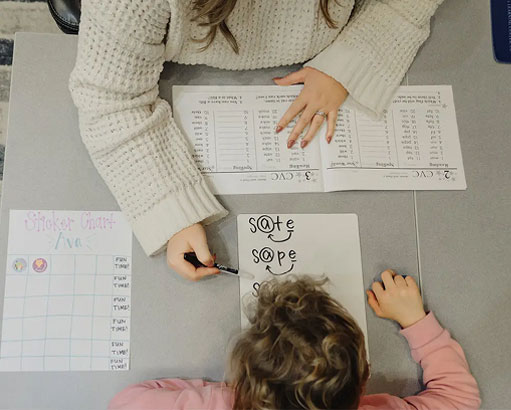
Once scheduled, families complete an online intake so our team can tailor the evaluation to your concerns. After the evaluation, we meet with you to review the results and recommendations and answer your questions.

3. Receive An Individualized Plan
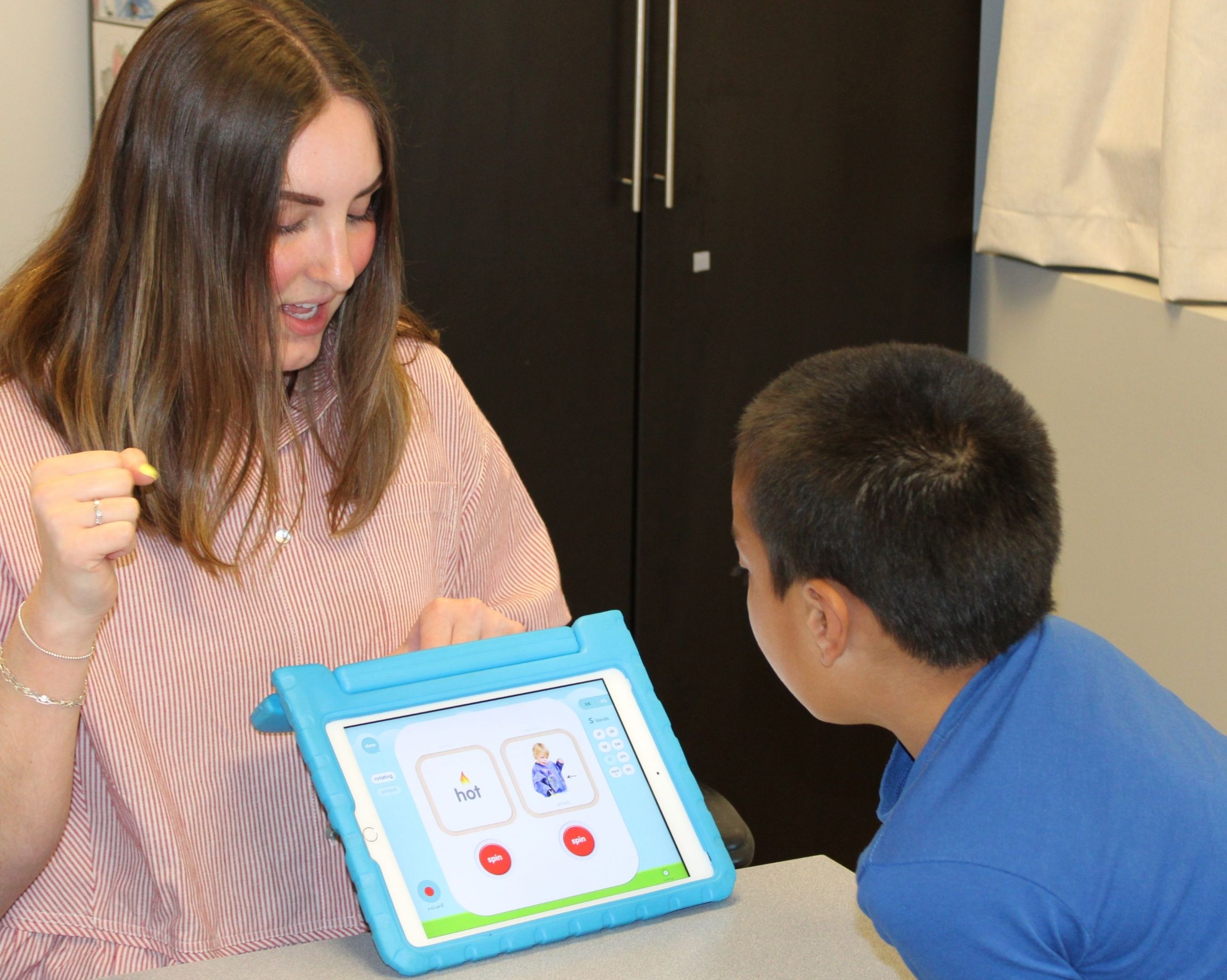
Your child receives a custom treatment plan with specific, measurable goals based on their unique needs. Depending on the provider, your insurance may cover our services. If it does not, we are transparent about cost.

4. Build Skills & Confidence
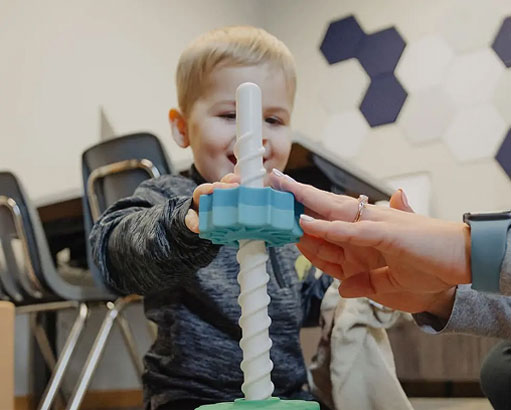
Through personalized one-on-one sessions, we help your child build skills and confidence. The length of treatment depends on your child's age, challenges, and progress, and we adjust the plan as your child grows.
Frequently Asked Questions
How do I know if my child may have dyslexia?
Dyslexia can look different from child to child. Common signs may include difficulty sounding out unfamiliar words, slow or effortful reading, persistent spelling challenges, difficulty remembering letter-sound patterns, or avoiding reading and writing tasks. An evaluation can help identify your child’s specific strengths and areas of need.
Is dyslexia intervention the same as traditional tutoring?
Not exactly. Traditional tutoring often focuses on helping a student with current classwork or homework. Dyslexia intervention targets the foundational reading and spelling skills that may be contributing to a student’s difficulties. At ETLC, intervention is individualized based on each child’s strengths, needs, and progress.
What does dyslexia intervention at ETLC look like?
Intervention is individualized to each child’s needs and may target phonological and phonemic awareness, decoding, spelling, reading fluency, comprehension, and other foundational literacy skills. Our specialists use evidence-based approaches and regularly monitor progress to adjust instruction as skills develop.
How long will my child need dyslexia intervention?
Every child’s learning journey is different. The length of intervention depends on factors such as your child’s age, current skill level, individual needs, frequency of sessions, and response to intervention. Progress is regularly monitored, and intervention is adjusted as reading and spelling skills develop and goals are met.
Can ETLC collaborate with my child's school?
Yes. With parent permission, our team can collaborate with teachers and other school professionals to share relevant information, discuss your child’s progress, and help support consistency between intervention and the classroom.
Ready to Help Your Child Thrive?
Reach out today to schedule a consultation with ETLC's speech-language pathologists and learning specialists in Johnston and North Liberty, IA, with virtual services also available.