

Executive Functioning Support for Children & Teens
Homework battles, lost assignments, difficulty getting started, and disorganization can sometimes point to challenges with executive functioning skills. At Enrichment Therapy & Learning Center, we provide individualized, one-on-one support to help children and teens strengthen skills such as planning, organization, attention, time management, task initiation, and self-monitoring. Available in Johnston and North Liberty, IA, in person or virtually.

What Is Executive Functioning?
Executive functioning refers to the brain’s management system. These mental skills help children and teens plan ahead, get started, stay organized, manage their time, remember important information, regulate their attention and behavior, and follow through on tasks.
Executive functioning skills develop gradually throughout childhood and adolescence. While every child forgets an assignment, loses track of time, or needs reminders sometimes, ongoing difficulty with these skills can make schoolwork and everyday responsibilities much more challenging.
Understanding which executive functioning skills are creating difficulty can help families find practical strategies and individualized support that promote greater confidence and independence.
What Can Executive Functioning Challenges Look Like?
Executive functioning challenges can look different from child to child. You may notice difficulty with:
Task initiation: Getting started on homework, chores, or other responsibilities
Planning and prioritizing: Knowing what to do first or breaking larger tasks into manageable steps
Attention: Staying focused, shifting attention when needed, or returning to a task after becoming distracted
Organization: Keeping track of assignments, materials, belongings, or thoughts
Time management: Estimating how long tasks will take, planning ahead, or meeting deadlines
Working memory: Remembering directions, steps, or important information while completing a task
Self-monitoring: Slowing down, checking work, recognizing mistakes, or noticing when a strategy is not working
Flexible thinking: Adjusting to changes, handling unexpected situations, or trying a different approach

When these skills are difficult, children and teens may need frequent reminders or support to manage schoolwork and everyday responsibilities. Strengthening executive functioning skills can help students develop practical strategies and become more confident and independent.
How Can Enrichment Therapy & Learning Center Help?
Our speech-language pathologists and learning specialists provide individualized, one-on-one support that builds the skills behind planning, organization, attention, and follow through.
We teach practical strategies your child can use at school, at home, and in everyday life, and we adjust the plan as skills develop.

Why Choose ETLC?
What Families Are Saying

"We are so grateful for our time at Enrichment Therapy and Learning Center. The learning specialist has done an amazing job with our son, helping to provide him with strategies for handling emotions, focusing on the task at hand, and we have seen a major improvement in his handwriting. He loves going each week, and we have seen so much growth since we started!"
“He is a super hard worker who always gives his all in everything he does. He has a great attitude and always has a smile on his face. We are so proud of how far he has come!”
"My student is such a hard worker! He always shows up ready to work, even when the tasks are difficult. He has shown tremendous progress during our time together, and he is demonstrating increased independence in everything he does! I am so proud of him for keeping a positive attitude, making every session fun, and continuing to show up day after day. Keep up the amazing work!"
"I have been very impressed with her resiliency. She knocks down challenge after challenge with persistence and humor. I've been especially pleased with the active role she's taken in increasing her independence. She'll say things like, 'If you can help me with this part, I will know how to do the rest of the problem on my own.'"
How Do I Get Started?


1. Start The Conversation
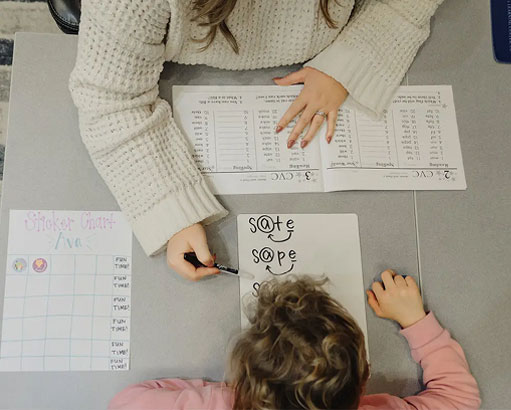
The first step is to reach out if you have a concern. We start with a conversation to learn about your child, answer your questions, and help guide your family toward the best next step, whether that is a screening, consultation, or evaluation.

2. Schedule A Consultation
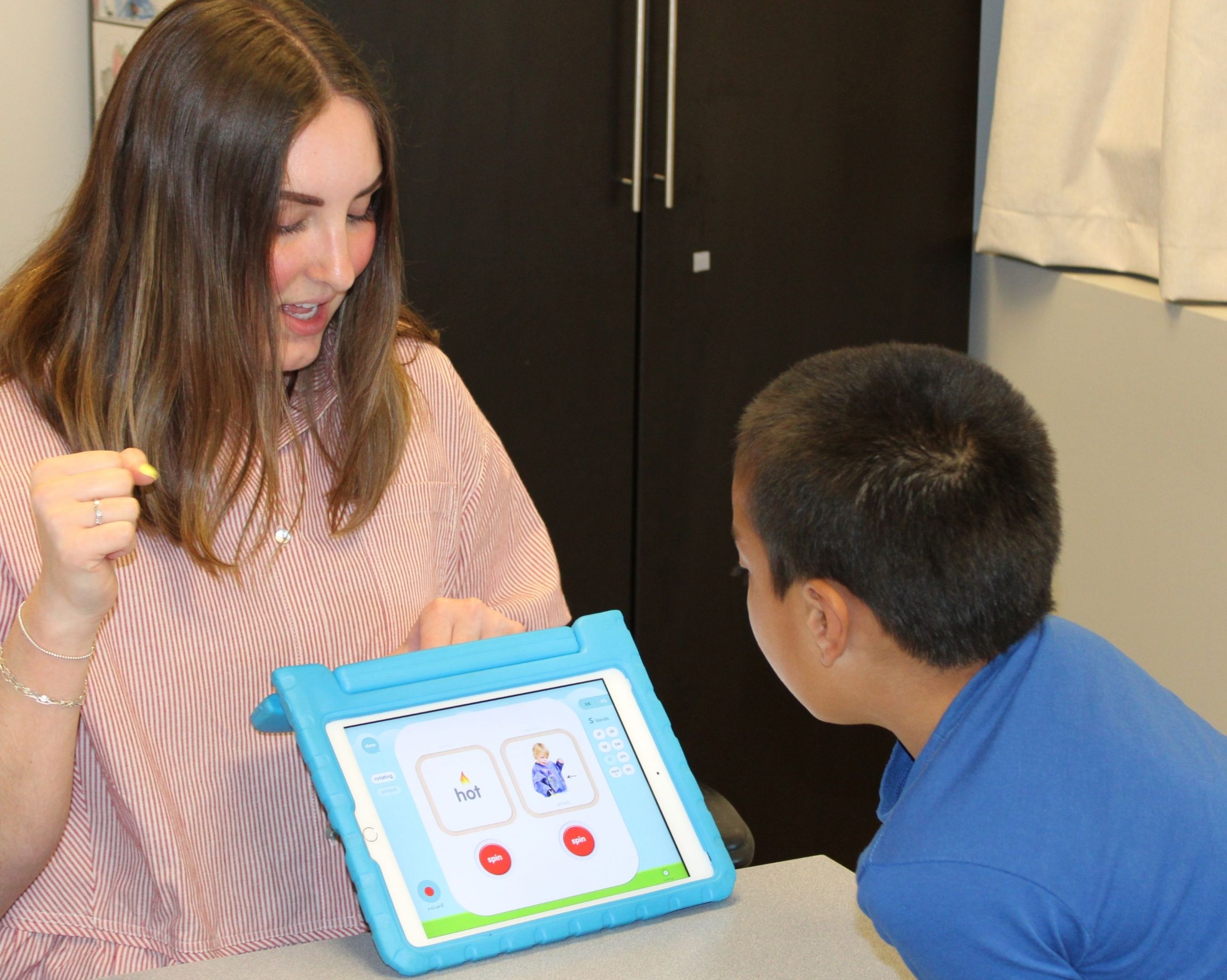
Once scheduled, families complete an online intake so our team can tailor the evaluation to your concerns. After the evaluation, we meet with you to review the results and recommendations and answer your questions.

3. Receive An Individualized Plan
Your child receives a custom treatment plan with specific, measurable goals based on their unique needs. Depending on the provider, your insurance may cover our services. If it does not, we are transparent about cost.


4. Build Skills & Confidence
Through personalized one-on-one sessions, we help your child build skills and confidence. The length of treatment depends on your child's age, challenges, and progress, and we adjust the plan as your child grows.
Frequently Asked Questions
What age can children begin executive functioning support?
Executive functioning skills begin developing early and continue to grow throughout childhood and adolescence. At ETLC, support is individualized to each child’s age, needs, and everyday responsibilities. Strategies for a younger child may focus on routines, flexibility, and getting started, while older children may work on planning, organization, time management, and independence.
Does my child need an ADHD diagnosis to receive executive functioning support?
No. A child does not need an ADHD diagnosis to benefit from executive functioning support. Children and teens may experience difficulty with planning, organization, attention, task initiation, time management, working memory, or self-monitoring for many different reasons. Our focus is on identifying your child’s individual strengths and areas of need and developing strategies that work for them.
What happens during an executive functioning evaluation?
An executive functioning evaluation helps us better understand your child’s strengths and areas of need. We gather information about skills such as planning, organization, attention, working memory, flexibility, self-monitoring, and task completion. The results help guide individualized recommendations, goals, and next steps for support.
How long will my child need executive functioning support?
Every child’s timeline is different. The length of intervention depends on your child’s individual needs, goals, frequency of sessions, and progress. We regularly monitor progress and adjust intervention as skills develop, with the goal of helping children use strategies more independently over time.
Can ELTC collaborate with my child's school?
Yes. With parent permission, our team can collaborate with teachers and other school professionals to discuss your child’s needs, share relevant strategies, and support consistency between intervention and the classroom.
Ready to Help Your Child Thrive?
Reach out today to schedule a consultation with ETLC's speech-language pathologists and learning specialists in Johnston and North Liberty, IA, with virtual services also available.