Myofunctional Disorder Support for Children
ETLC provides myofunctional disorder therapy for children in Johnston and North Liberty, IA, in person or virtually, helping children improve oral function and overall communication.
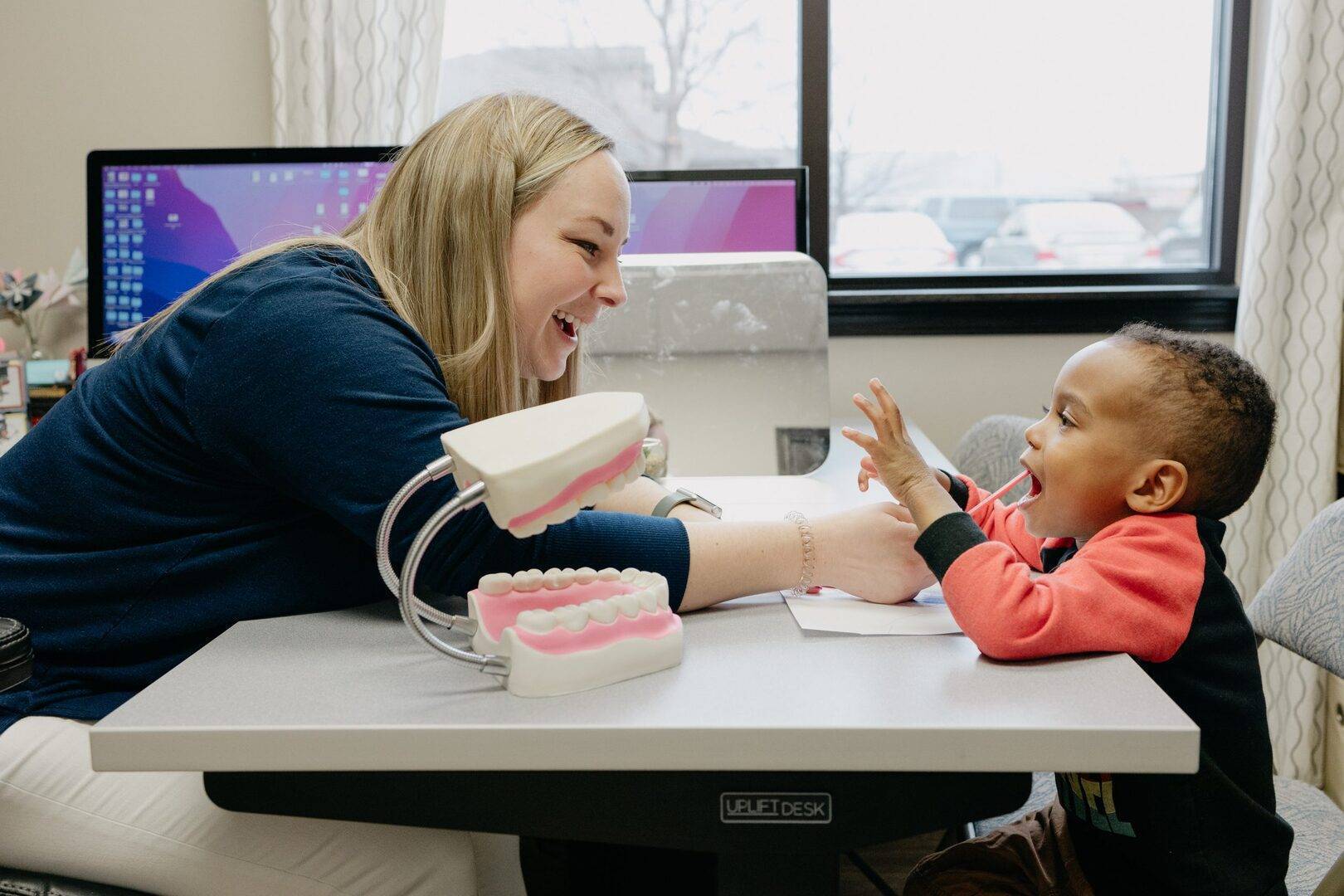
What Is An Orofacial Myofunctional Disorder (OMD)?
An orofacial myofunctional disorder (OMD) is an abnormal movement pattern involving the muscles of the face and mouth. It can affect speech, breathing, swallowing, and eating, and it can also interfere with how the face and jaw grow.
What Can Orofacial Myofunctional Disorder Look Like?
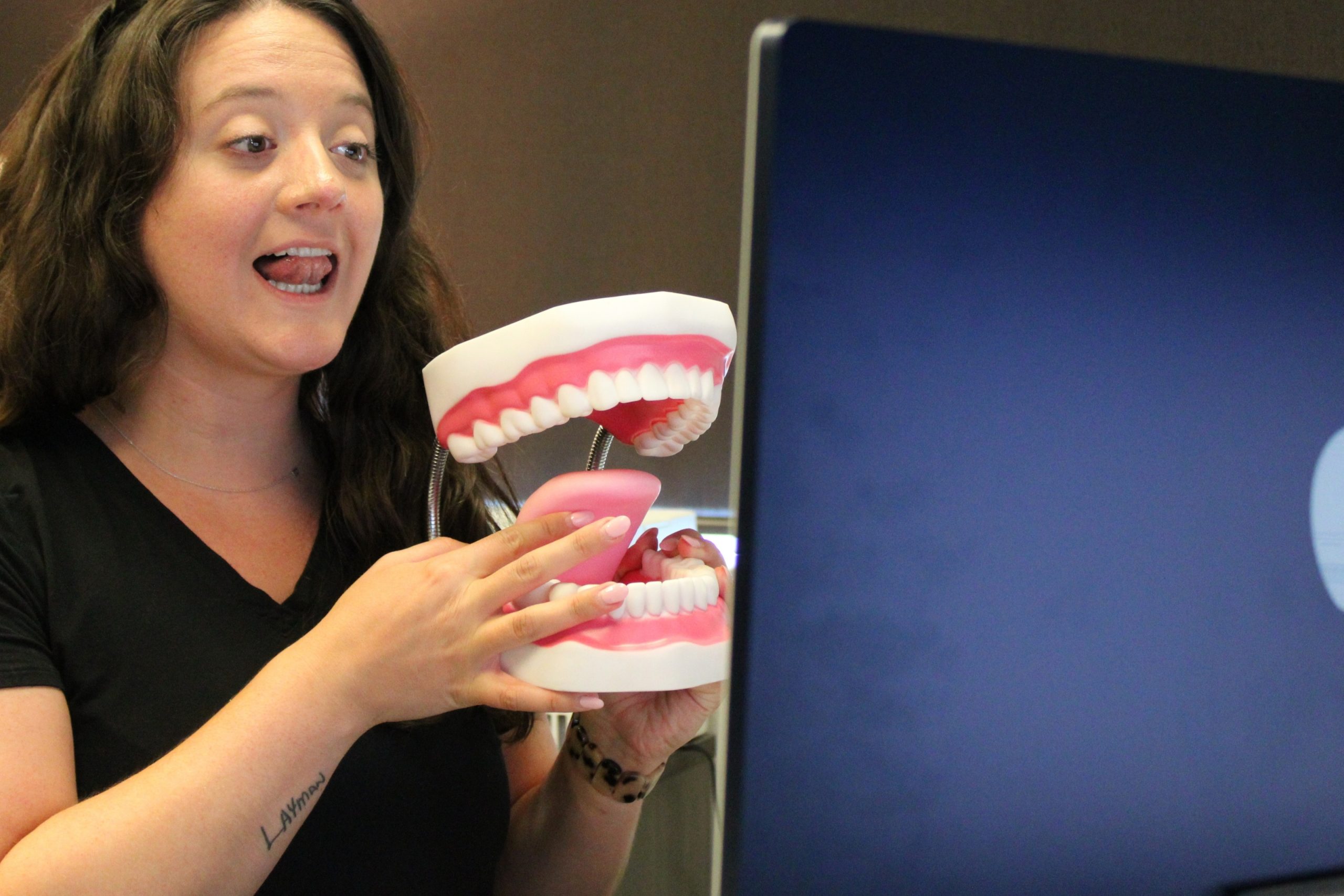
Orofacial Myofunctional Disorders look different for everyone and can present symptoms at any age or stage in life. Often people experience symptoms their whole life and don’t even realize there is a problem. Some common signs and symptoms in children that could indicate intervention is needed include:
Excessive drooling
Poor speech intelligibility
Tongue thrust
Limited tongue movement
Mouth breathing
Difficulty closing lips to swallow
Drooling past age two
Eating that is excessively messy or difficult
Dental problems such as overbite/underbite
Tongue going past teeth when not talking
How Can Enrichment Therapy & Learning Center Help?
Myofunctional therapy at ETLC works to improve movements of the tongue, mouth, and face associated with myofunctional disorder symptoms. Our therapy involves a rigorous exercise regimen along with individual training designed to strengthen specific muscles and foster healthy oral posture. Myofunctional therapy focuses on improving oral rest posture, nasal breathing, and improved articulation. Our therapists create an individualized plan to support these areas of need.
Why Choose ETLC?
How Do I Get Started?

1. Start The Conversation
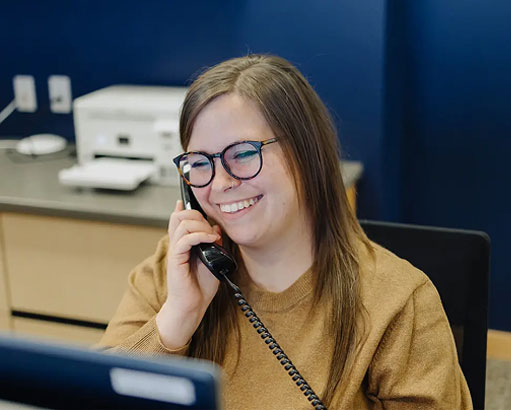
The first step is to reach out if you have a concern. We start with a conversation to learn about your child, answer your questions, and help guide your family toward the best next step, whether that is a screening, consultation, or evaluation.

2. Schedule A Consultation
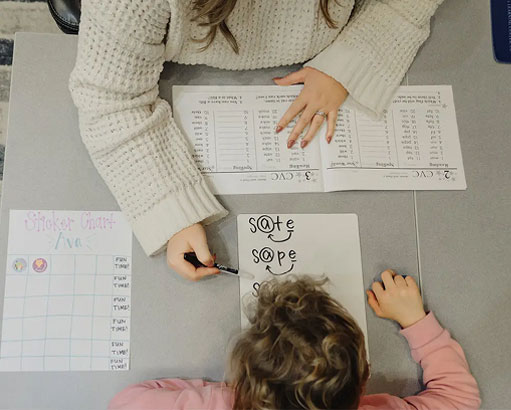
Once scheduled, families complete an online intake so our team can tailor the evaluation to your concerns. After the evaluation, we meet with you to review the results and recommendations and answer your questions.

3. Receive An Individualized Plan
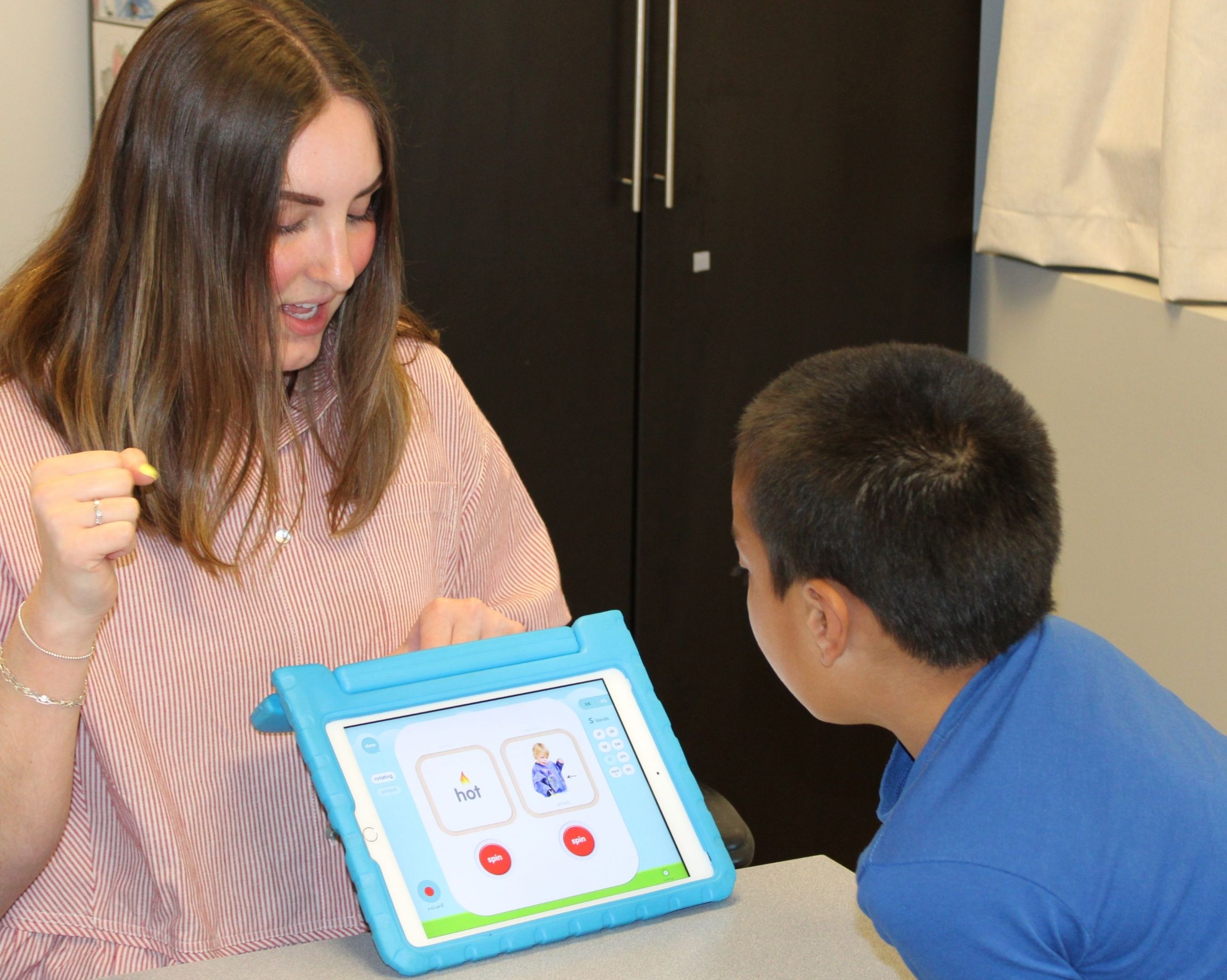
Your child receives a custom treatment plan with specific, measurable goals based on their unique needs. Depending on the provider, your insurance may cover our services. If it does not, we are transparent about cost.

4. Build Skills & Confidence
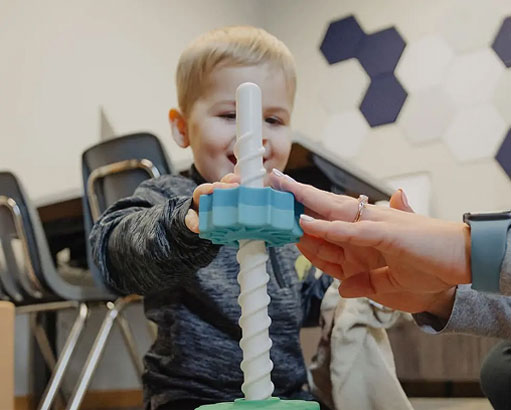
Through personalized one-on-one sessions, we help your child build skills and confidence. The length of treatment depends on your child's age, challenges, and progress, and we adjust the plan as your child grows.
Frequently Asked Questions
What is an orofacial myofunctional disorder (OMD)?
An OMD is an abnormal movement pattern involving the muscles of the face and mouth that can affect talking, breathing, swallowing, and eating. It can also interfere with normal growth and development of the muscles and bones in the face and mouth.
What causes a myofunctional disorder?
The exact cause is often unknown, but common contributors include blocked nasal passages, prolonged sucking or chewing habits (like extended pacifier or thumb use), or patterns where the tongue rests too low in the mouth or the lips don't fully close at rest.
How do I know if my child needs myofunctional therapy?
Common signs include tongue thrust, mouth breathing, excessive drooling past age two, difficulty closing the lips to swallow, or dental issues like an overbite or underbite. If you're noticing several of these signs, a screening can help clarify whether therapy is needed.
What happens during myofunctional therapy?
Therapy involves a structured exercise program combined with individualized training designed to strengthen the muscles of the tongue, mouth, and face, improve oral rest posture, and support nasal breathing and clearer articulation.
Can myofunctional disorders affect speech?
Yes, because myofunctional disorders involve the same muscles used for speech production, they can contribute to speech sound errors or unclear articulation, which is why many myofunctional therapy plans are developed alongside speech-language pathologists.
Ready to Help Your Child Thrive?
Reach out today to schedule a consultation with ETLC's speech-language pathologists and learning specialists in Johnston and North Liberty, IA, with virtual services also available.