

Stuttering Therapy for Children
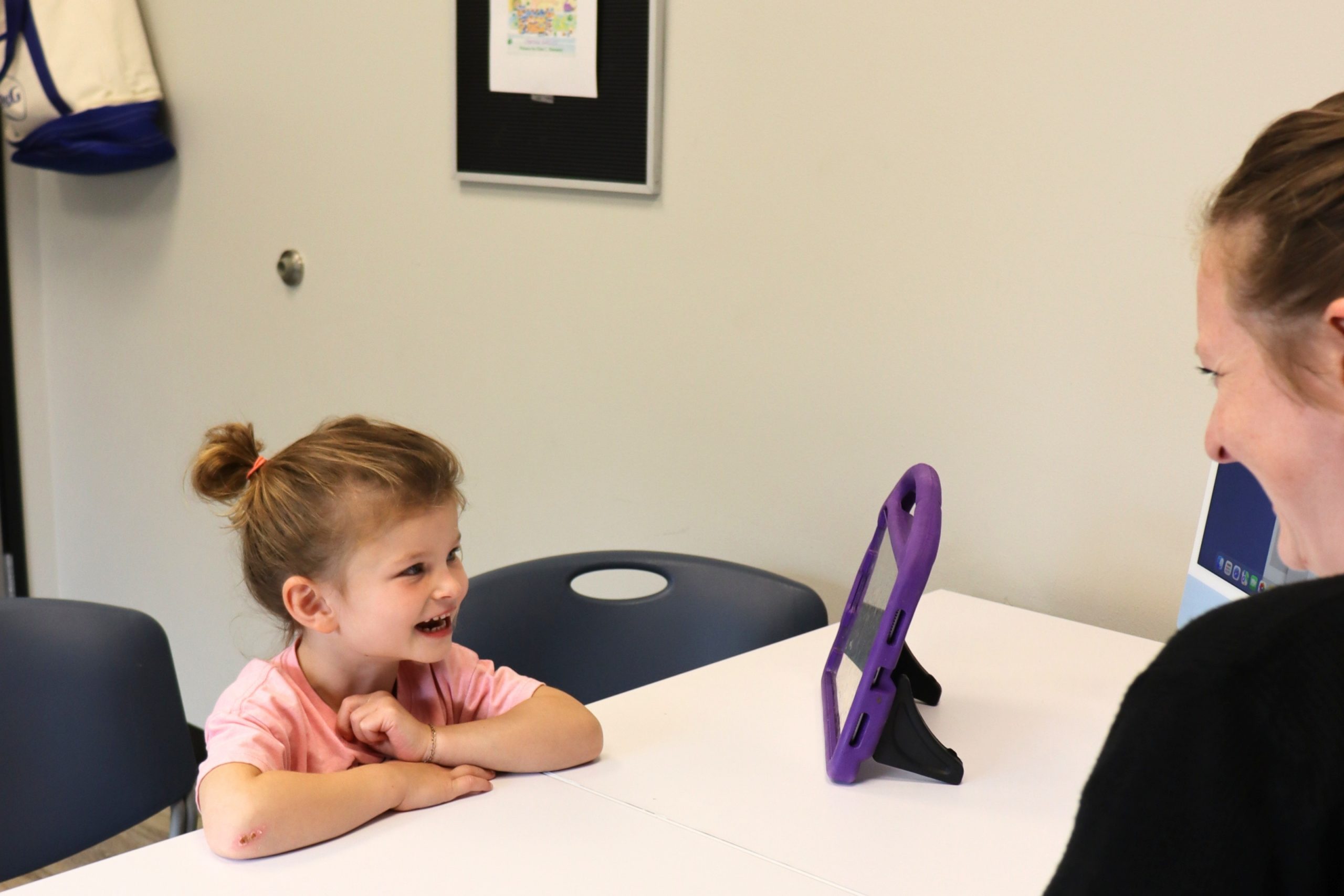
ETLC provides stuttering therapy for children in Johnston and North Liberty, IA, in person or virtually. Our speech-language pathologists are passionate about working with children to build confidence and promote fluency.

What Is Stuttering?
Stuttering is a disruption in the flow of speech. A child may repeat sounds or words, stretch sounds out, or get stuck before a word comes out.
Many young children go through a period of disfluency as their language grows, and some outgrow it. Stuttering that continues, causes tension, or leads a child to avoid speaking is a good reason to schedule an evaluation. Early support can help children speak more easily and feel more confident.
What Can A Stuttering Disorder Look Like?
People who stutter can demonstrate some or all of the following disfluencies or symptoms:
Sound-syllable repetitions (e.g., “he-he-hello there”)
Whole-word repetitions (e.g., “hello-hello there”)
Sound prolongations (e.g., “hhhhhhhhhhello there”)
Sound blocks (e.g., “(pause) hello there”)
Revisions (e.g., “hello-hi there”)

People who stutter might also develop secondary behaviors that accompany stuttering, such as: head tilting, blinking, or clenching fists.
How Can Enrichment Therapy & Learning Center Help?
Our stuttering therapy approach is tailored to each child's specific type of stuttering and areas of tension. Therapy approaches for children can include indirect approaches such as parent coaching (best for younger children) or direct strategies where children learn specific tools they can use to assist with fluency. We also work with children to help build a positive self-image related to communication by talking about thoughts and feelings related to stuttering.
Why Choose ETLC?
How Do I Get Started?


1. Start The Conversation
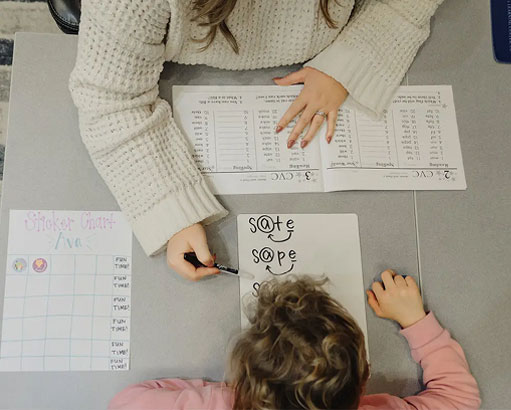
The first step is to reach out if you have a concern. We start with a conversation to learn about your child, answer your questions, and help guide your family toward the best next step, whether that is a screening, consultation, or evaluation.

2. Schedule A Consultation
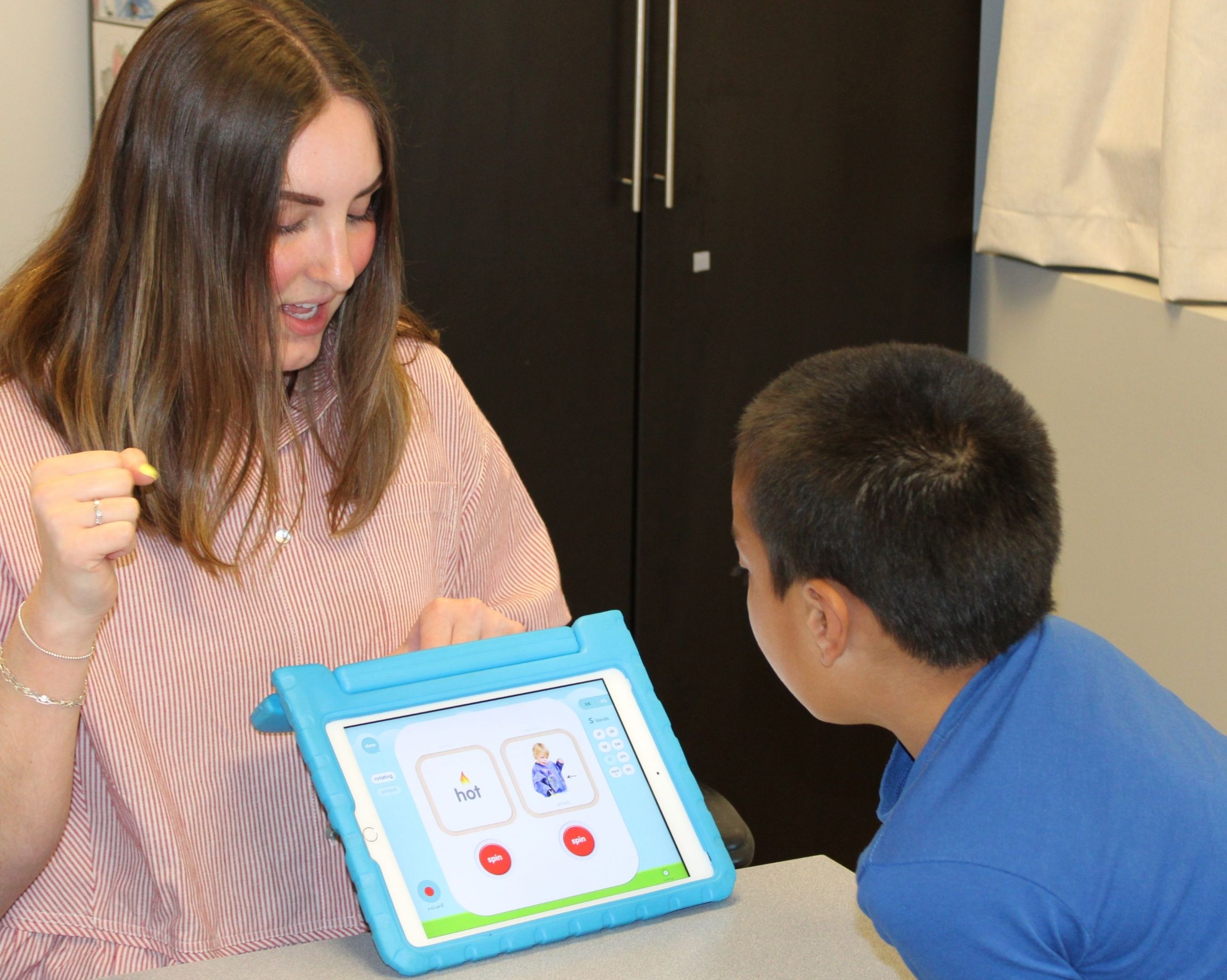
Once scheduled, families complete an online intake so our team can tailor the evaluation to your concerns. After the evaluation, we meet with you to review the results and recommendations and answer your questions.

3. Receive An Individualized Plan
Your child receives a custom treatment plan with specific, measurable goals based on their unique needs. Depending on the provider, your insurance may cover our services. If it does not, we are transparent about cost.

4. Build Skills & Confidence
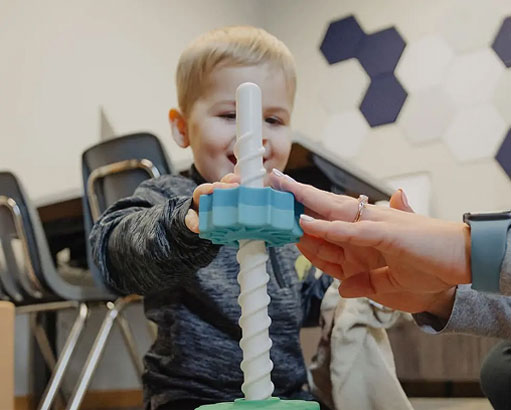
Through personalized one-on-one sessions, we help your child build skills and confidence. The length of treatment depends on your child's age, challenges, and progress, and we adjust the plan as your child grows.
Frequently Asked Questions
What causes stuttering in children?
The exact cause of stuttering isn't fully understood, but it often involves a combination of genetic, developmental, and neurological factors. Many children go through a period of typical disfluency as they're learning language, which can make it hard to know early on whether it will resolve on its own or persist.
Will my child outgrow stuttering?
Many young children who stutter do outgrow it, especially with early support. However, some children continue to stutter into adulthood, so a professional evaluation is the best way to understand your child's specific situation and whether therapy could help.
At what age should I seek stuttering therapy for my child?
If stuttering persists for more than six months, runs in the family, or is accompanied by visible tension or frustration, it's worth scheduling an evaluation regardless of your child's age. Early intervention often leads to better outcomes.
What does stuttering therapy involve?
Therapy is tailored to the child and may include indirect approaches like parent coaching for younger children, or direct strategies that teach specific techniques to manage fluency for older children. Sessions often also address the emotional side of stuttering, helping children build confidence around communication.
Can stress make stuttering worse?
Yes, stuttering can become more noticeable during times of stress, excitement, or fatigue, though it isn't caused by stress alone. Understanding these patterns can help families and therapists identify strategies that work best in different situations.
Ready to Help Your Child Thrive?
Reach out today to schedule a consultation with ETLC's speech-language pathologists and learning specialists in Johnston and North Liberty, IA, with virtual services also available.