


Are you wondering how to interest your child in learning letter names and sounds? Do you want your child to be ready for kindergarten? These ideas for letter names and sounds work for babies, preschoolers, and school-age children. You can start earlier than you might think, long before your child begins preschool.
Tips for Teaching Letter Names and Sounds
Some research suggests teaching letter names first. Other research suggests teaching letter sounds first. In our experience, working on names and sounds together works well for most children. Here are a few tips.
- Most letter names give a clue to the sound. For example, the letter P has the /p/ sound at the beginning of its name, so it makes sense to learn them together.
- Teach upper and lower case letters in pairs, but focus on lower case first. Lower case letters are more common in print.
- Expose your child to letters and sounds throughout the day. For instance, if you are playing with dolls, say, “Dolls, d-d-doll, starts with the /d/ sound, letter D!”
Letter Name and Sound Activities by Age
Babies and Toddlers
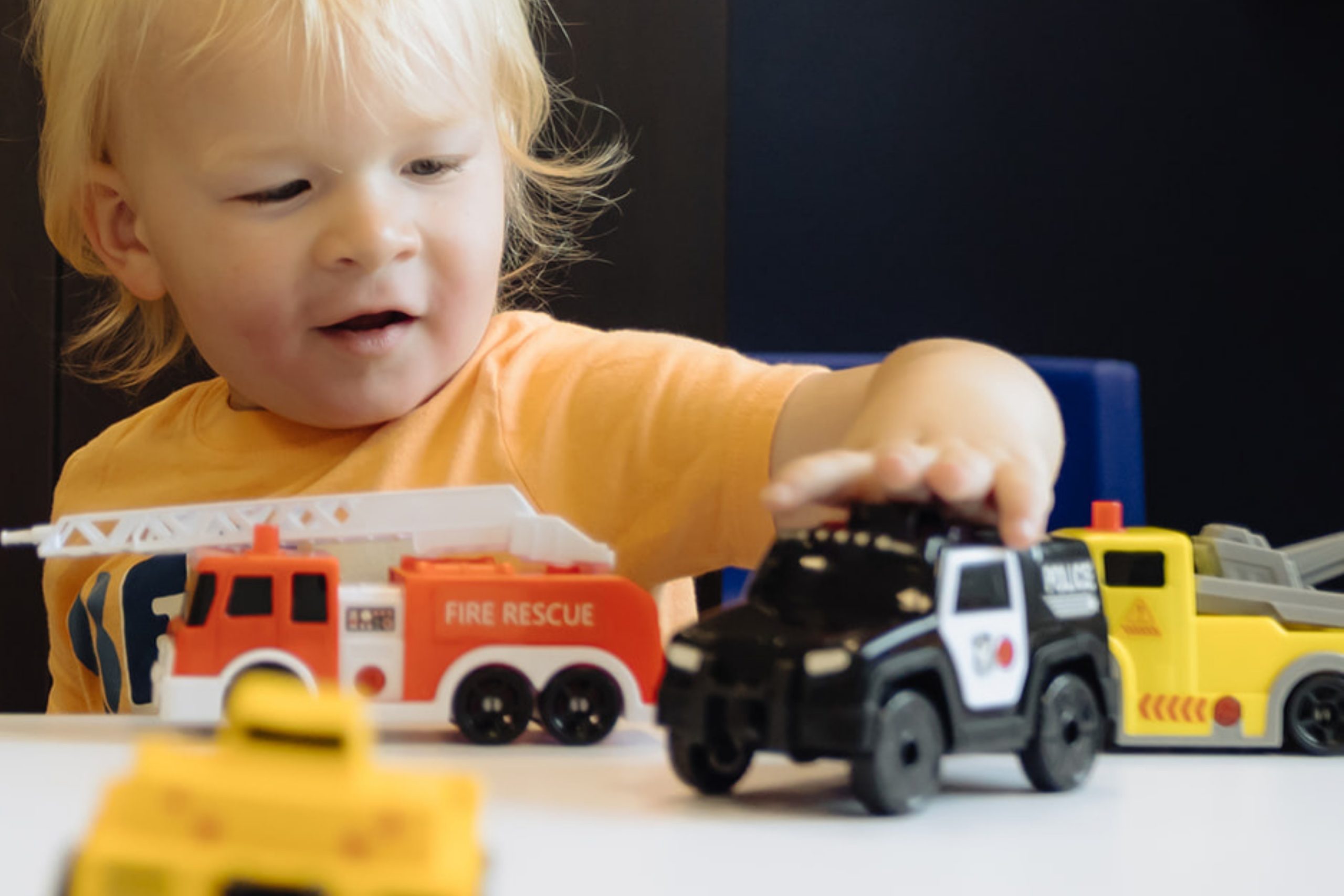
An early letter knowledge skill is noticing the difference between shapes. Let your little one play with toys and objects of different shapes. Describe them by shape, size, and color, such as, “Here is a round, blue ball.” Also read books together and talk about the shapes and colors on the pages. Rhymes and songs about colors, sizes, and shapes are fun too. Repetition is key, so do not worry if you have read the same book a million times. Your child loves it, and they are learning.
This is also a wonderful time to build vocabulary. Narrate what you are doing throughout the day, such as, “I am cooking dinner.” In addition, point out things you see, such as, “Look at that great big truck!”
Preschoolers
At this age, your child can start recognizing the letters in their name. Let them decorate a paper with their name on it, and talk about the letters and the sounds they make. Our post on using your child’s name to teach literacy has more ideas. You can also form letters with play dough or play with magnetic letters. If you are up for a mess, write letters in shaving cream on a table. This is always a hit.
- Make letters out of tape on the floor, or use sidewalk chalk outside.
- Play games such as “find the letter P” or “hop to the one that says /b/.”
- Use magnet letters on the refrigerator or on a baking sheet.
- Ask your child to help with a to-do list or grocery list.
School-Age Children
As your child begins school, they will see more letters and words than ever. Continue to support them by talking about letters and sound associations. Focus on words that begin with each sound. You might do an activity or craft for each letter, such as decorating an alligator for A or blowing bubbles for B. You can also go on a scavenger hunt for items that begin with each letter. Encourage your child to find letters in books, on signs, and on everyday items.
Use Many Ways to Teach One Letter
Focus on a single letter and teach that letter and sound in a variety of ways. For example, use a video, an app, and an alphabet puzzle. Teaching one letter in several ways gives your child more chances to learn and to carry the knowledge from one setting to another. Many children like alphabet videos on YouTube that show each letter and its sound. For more reading readiness ideas, see our guide to preparing your preschooler for reading.
Frequently Asked Questions
Should I teach letter names or sounds first?
Research supports both. Most children do well when letter names and sounds are taught together, because many letter names hint at the sound.
Should I start with upper or lower case letters?
Teach both in pairs, but start with lower case. Lower case letters are more common in books and print.
How can I teach letter names and sounds at home?
Use everyday moments, such as grocery lists, magnet letters, sidewalk chalk, and letter scavenger hunts. Short, playful practice works best.
How ETLC Can Help
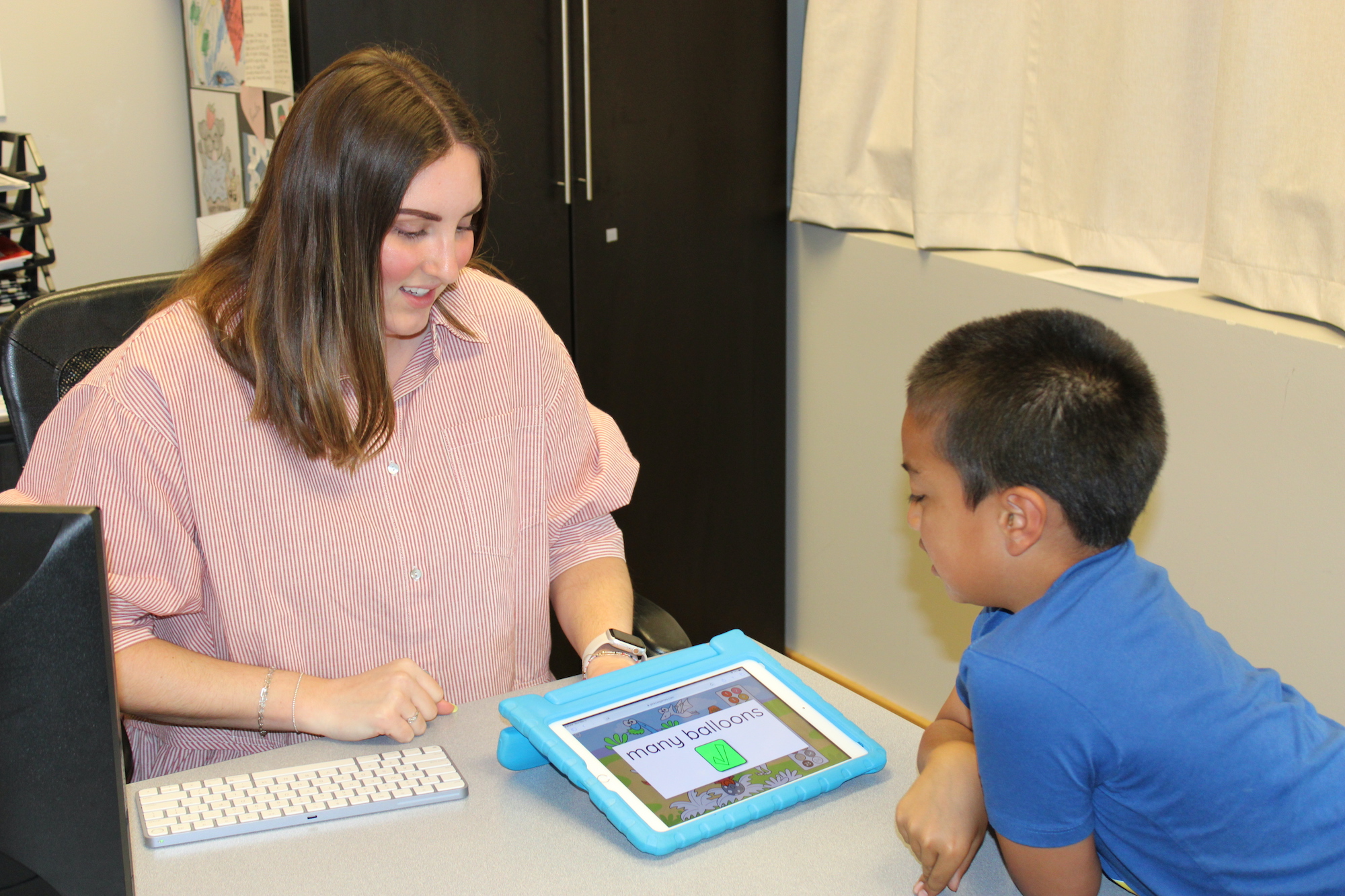
If your child is having trouble learning letters or sounds, a small group or one-on-one plan can help them feel ready for kindergarten. Enrichment Therapy & Learning Center has locations in Johnston and North Liberty, IA, with virtual services also available.
Learn more about early reading support at ETLC or schedule a free consultation to talk with a member of our team.
You may also find these pages helpful:
- Prepare Your Preschooler for Reading
- Use Your Child’s Name to Teach Literacy
- Books for Pre-Reading Skills
About the Author
Sonia Strueby, M.A., CCC-SLP, is the founder of Enrichment Therapy & Learning Center. With over 25 years of experience as a speech-language pathologist, Sonia has dedicated her career to helping children overcome complex communication and academic challenges. She has advanced training and a special focus on treating dyslexia and childhood apraxia of speech, and she is passionate about providing families with a clear path to success.


0 Comments