

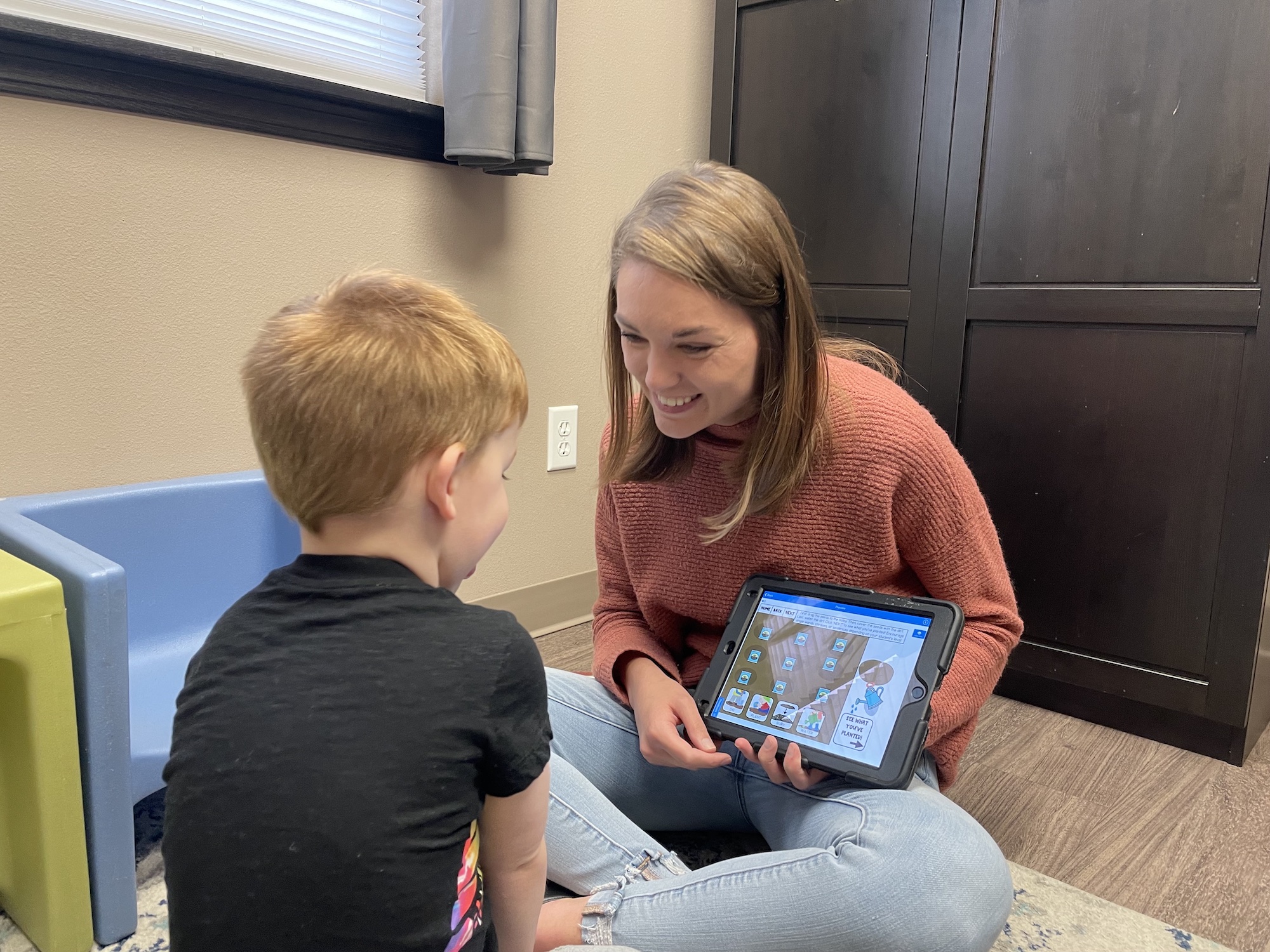
Being a visual-spatial learner is not a bad thing. If we did not have these types of learners, we would not have great architects, artists, photographers, graphic artists, or designers. We need people who can see ideas as a whole and picture the big picture vividly. However, most school curriculums are designed for auditory-sequential learners, who learn step by step from beginning to end and learn best when information is presented by listening.
What Is a Visual-Spatial Learner?
Visual-spatial learners benefit from seeing the whole concept first, before breaking it into parts. This is a descriptive term, not a diagnosis. As a result, children who learn this way can fall behind in areas like reading, memorizing math facts, reading comprehension, and following directions. Here are some traits often described in visual-spatial learners.
Traits of a Visual-Spatial Learner
- Thinks mostly in pictures, not words
- Learns the whole first, rather than step by step
- Reads maps well but may have difficulty following oral directions
- Is creative, artistic, and may dream in color
- Can assemble items and puzzles easily
- Enjoys figuring out how things work and creating moving objects
- Grasps concepts better with visual aids
- Often doodles or draws diagrams to understand concepts or stay interested and organized
- Remembers faces but may forget names
Struggles a Visual-Spatial Learner May Have in School
- Difficulty memorizing math facts
- Trouble finding the words to express thoughts
- Needs extra time to process information
- Things out of sight are easily forgotten
- May forget things they hear if they are not written down
- Frustration or strong emotion can show up when school does not fit how they learn
How to Help a Visual-Spatial Learner
Strategies can bridge the gap between a school curriculum built for auditory-sequential learning and the way your child thinks. Use pictures, drawings, diagrams, and color to show the whole idea first. Then break the idea into steps. Give extra time to process, and write down directions instead of only saying them. In addition, teach your child to turn what they hear or read into a mental picture. Our post on visualizing and verbalizing explains how.
These strategies can carry across subjects, including reading, math, and comprehension, for years to come as your child’s curriculum gets more complex.
Frequently Asked Questions
What is a visual-spatial learner?
It is a term for a child who thinks mostly in pictures and learns best by seeing the whole idea first. It describes a learning style, not a diagnosis.
Why might school be hard for a visual-spatial learner?
Many classrooms teach step by step and by listening. A child who learns by seeing the whole picture can struggle with oral directions, math facts, and reading comprehension.
When should I get an evaluation?
If your child is falling behind in reading, math, or following directions despite effort, an evaluation can show whether a language, reading, or learning difference is part of the picture.
How ETLC Can Help
We can help your child bridge the gap between how school teaches and how your child learns. Enrichment Therapy & Learning Center has locations in Johnston and North Liberty, IA, with virtual services also available.
Learn more about learning support at ETLC or schedule a free consultation to talk with a member of our team.
You may also find these pages helpful:
- What Is Visualizing and Verbalizing?
- Multisensory Learning for Kids
- Is Your Child Struggling With Reading?
About the Author
Sonia Strueby, M.A., CCC-SLP, is the founder of Enrichment Therapy & Learning Center. With over 25 years of experience as a speech-language pathologist, Sonia has dedicated her career to helping children overcome complex communication and academic challenges. She has advanced training and a special focus on treating dyslexia and childhood apraxia of speech, and she is passionate about providing families with a clear path to success.
0 Comments