

Social Skills Training Support for Children
Making friends, reading a room, and knowing when to jump into a conversation come naturally to some children and feel like a puzzle to others. Enrichment Therapy & Learning Center offers social skills training for children in Johnston and North Liberty, IA, in person or virtually, helping children build the tools they need to connect with confidence.
What Is Social Skill Development?
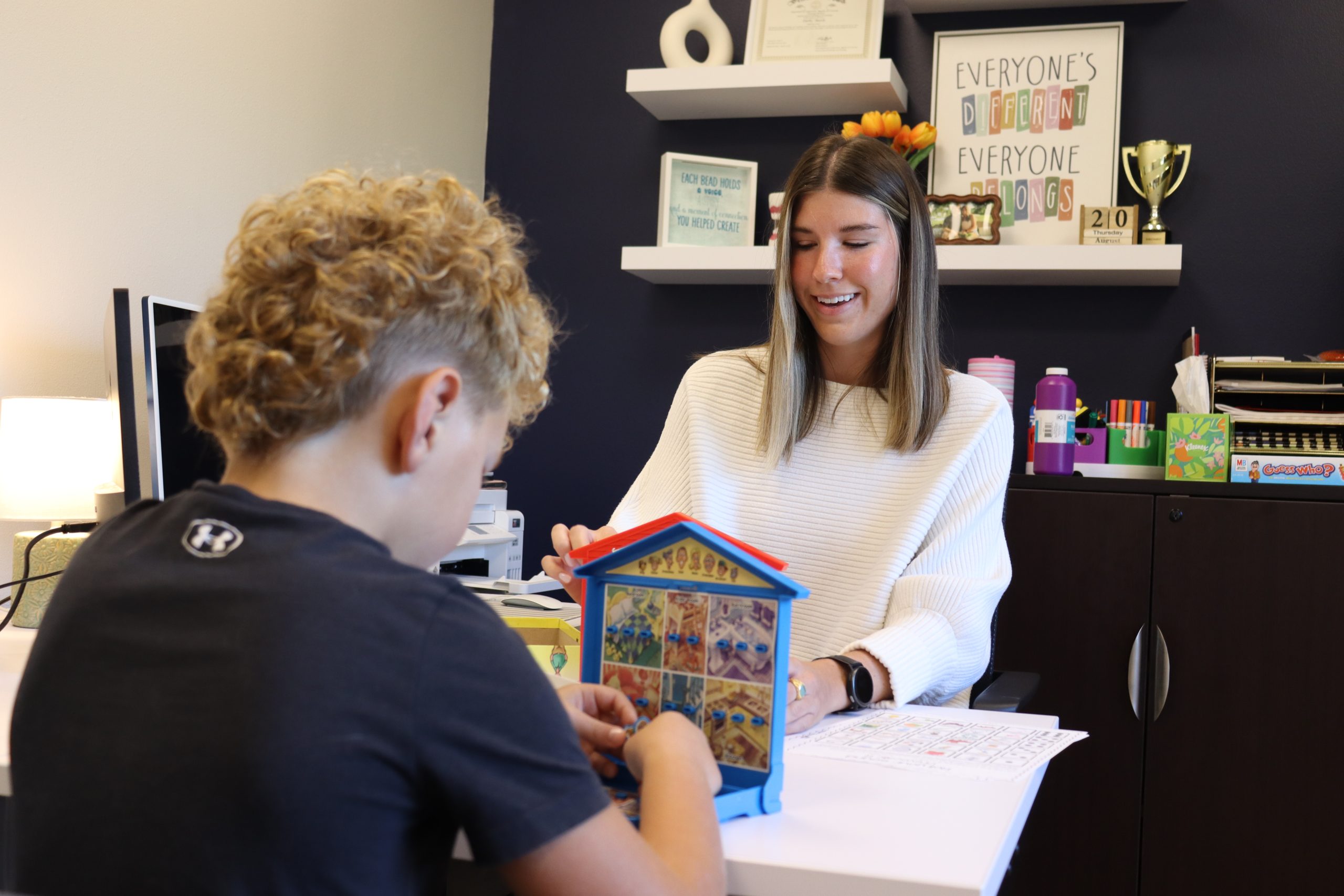
Social skills, sometimes called pragmatic language skills, are what people use to interact and connect with others. These skills range from greeting a friend to knowing when it's your turn to speak in a conversation. Some social skills are taught directly, like teaching a child to say "thank you". Others develop naturally through experience, such as noticing when someone has lost interest in what's being said.
There isn't a single right way to communicate, but plenty of unwritten social rules shape how interactions go smoothly. Children who haven't picked up on these patterns yet aren't doing anything wrong. Some simply need more direct guidance to catch up.
Guidance often starts in the early intervention years, when social awareness first takes shape.
What Can Social Communication Deficits Look Like?
A social communication disorder is characterized by persistent difficulties with social interactions and social understanding or awareness. Deficits with social communication skills may overlap with underlying neurodevelopmental disorders, such as autism spectrum disorder or attention deficit hyperactivity disorder. However, there is no known cause for social communication disorder at this time. In a child who has social communication deficits, you may observe difficulties with the following general social rules:
Knowing how to maintain or change conversational topics appropriately
Repairing communication breakdowns by changing communication style to match the context, setting, or conversation partner
Difficulty with understanding others’ perspectives
Use of nonverbal communication
Picking up on sarcasm or jokes
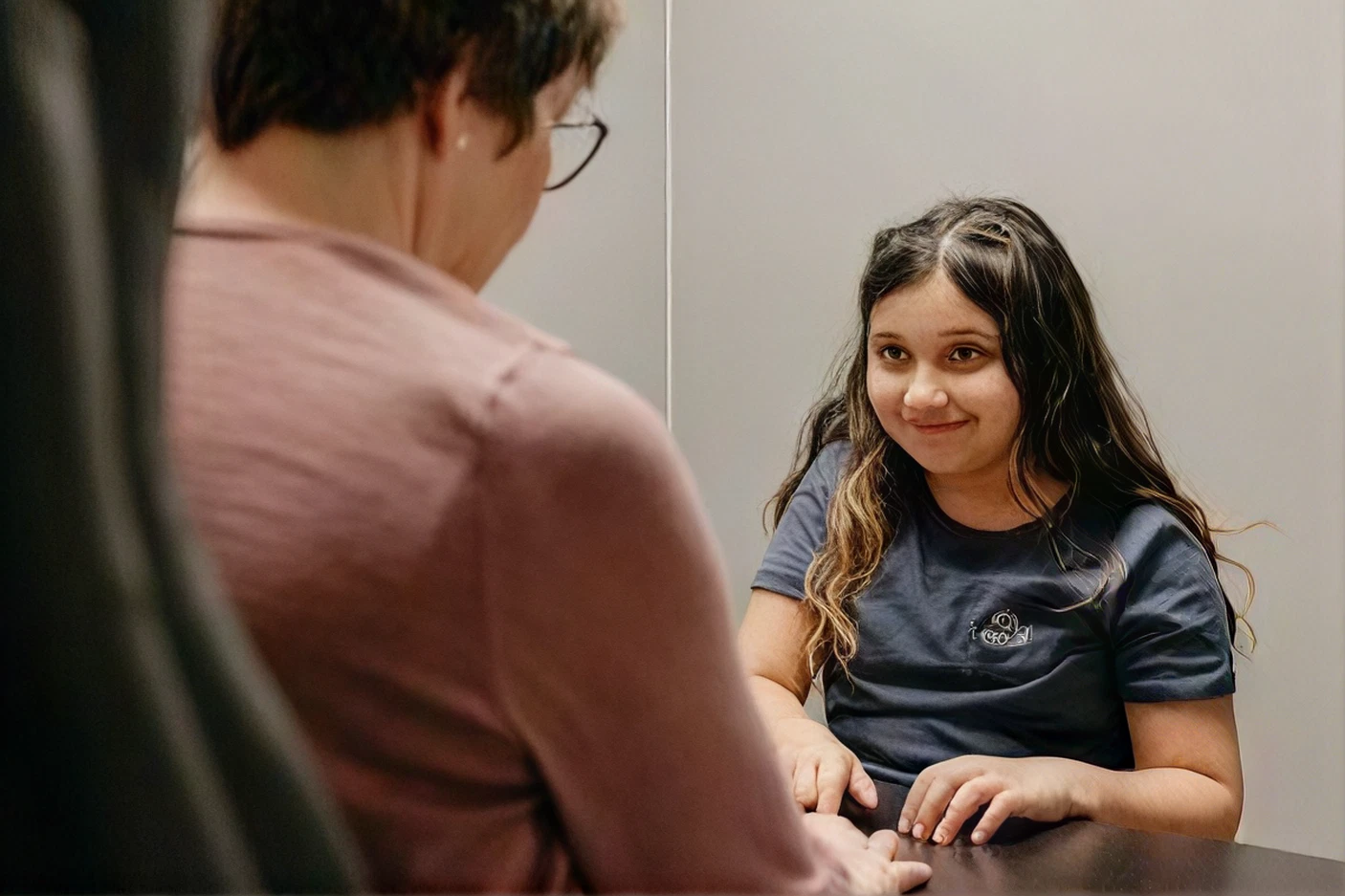
These are just a few examples of social skills your child may struggle with, and it is important to acknowledge the wide range of social norms expected across individuals, families, and cultures.
How Can Enrichment Therapy & Learning Center Help?
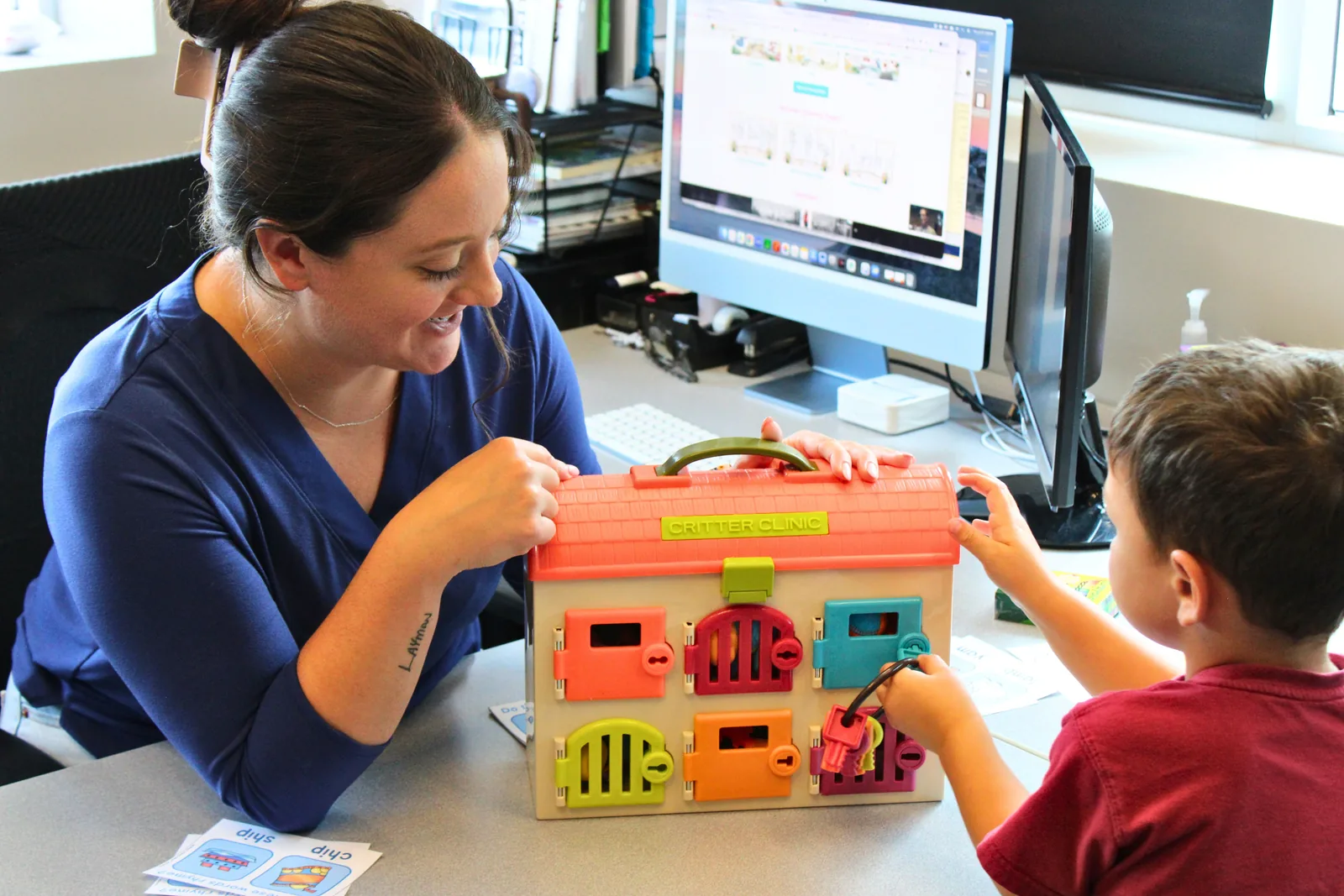
Specialists work directly with children on social skill development, then create opportunities to practice those skills in a safe, low-pressure setting. Common targets include emotional regulation, resolving conflict, making friends, and any number of other skills tied to a child's individual goals.
Social skills training often pairs naturally with other areas of communication development. Some families explore the broader speech, language, and social skills programs available alongside this training. Every plan gets shaped around the child in the room, not a fixed curriculum, so progress reflects what actually matters for that specific child.
Why Choose ETLC?
What Families Are Saying

"We are so proud of our daughter and all the hard work she's put into improving her oral communication skills. She's really shown up, done the hard stuff, and it's paid off in a big way. We've seen huge growth in her ability to express herself, and it's been amazing to watch her confidence grow. She brings so much joy to the people around her, and you can see it in every conversation she has. We're beyond proud of how far she's come!"
"Enrichment Therapy has helped shape our daughter into the young lady she is today, and we cannot thank Enrichment enough. With each success, big or small, we've watched her confidence bloom. She now has the confidence to take on leadership roles among her peers and finds joy in reading."
"Our son has been working very hard to make sure his voice is clear and understandable. He is coming out of his shell and isn't nervous about asking questions or asking for help if needed."
"My daughter is much more intelligible when speaking. Her confidence has blossomed. She is more outgoing in unfamiliar circumstances, knowing others are more likely to understand her speech."
How Do I Get Started?


1. Start The Conversation
The first step is to reach out if you have a concern. We start with a conversation to learn about your child, answer your questions, and help guide your family toward the best next step, whether that is a screening, consultation, or evaluation.

2. Schedule A Consultation
Once scheduled, families complete an online intake so our team can tailor the evaluation to your concerns. After the evaluation, we meet with you to review the results and recommendations and answer your questions.
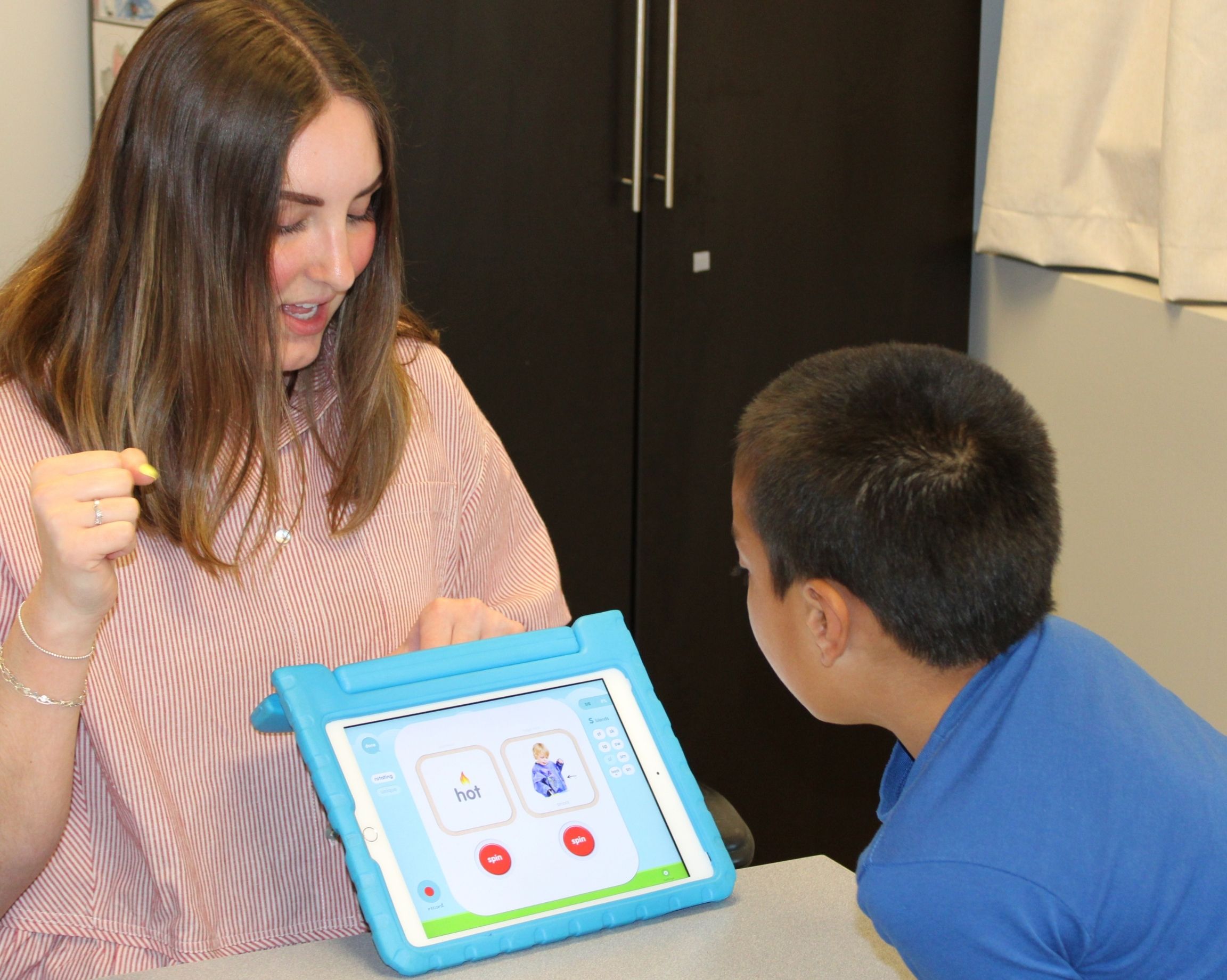

3. Receive An Individualized Plan
Your child receives a custom treatment plan with specific, measurable goals based on their unique needs. Depending on the provider, your insurance may cover our services. If it does not, we are transparent about cost.
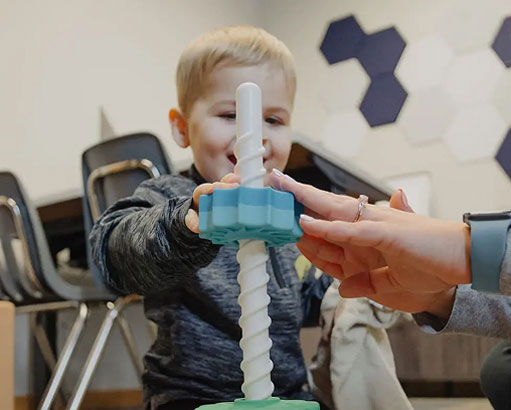

4. Build Skills & Confidence
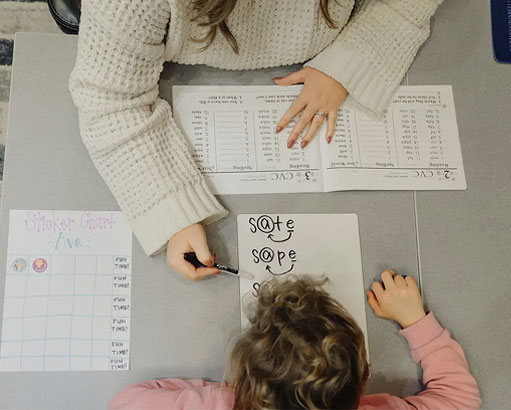
Through personalized one-on-one sessions, we help your child build skills and confidence. The length of treatment depends on your child's age, challenges, and progress, and we adjust the plan as your child grows.
Frequently Asked Questions
At what age should social skills training start?
Social skills training can start as early as preschool. Younger children often respond well to play-based practice, while older children benefit from more structured conversation and role-play activities.
Is social skills training only for kids with autism?
Social skills training is not only for children with autism. Children with ADHD, anxiety, or general shyness can also benefit from direct instruction and guided practice with peers.
How is social skills training different from therapy for shyness?
Shyness often improves with confidence and exposure over time. Social skills deficits involve specific gaps in understanding or using social rules, which typically require direct teaching and practice.
Can social skills improve without formal training?
Some children pick up social skills naturally through everyday experience. Others need explicit instruction to notice and apply the unwritten rules that guide most everyday interactions.
What does a social skills therapy session look like?
Sessions are play-based and interactive, often involving activities like games, role-playing, or group exercises tailored to the specific skills a child is working on — like taking turns, reading social cues, or starting a conversation. Rather than direct instruction alone, therapists create real opportunities to practice these skills in a low-pressure, supportive setting.
Ready to Help Your Child Thrive?
Reach out today to schedule a consultation with ETLC's speech-language pathologists and learning specialists in Johnston and North Liberty, IA, with virtual services also available.