

Early Intervention Support for Young Children
You noticed something early, and acting early gives your child more time to grow. Early intervention helps young children in the Des Moines area and Iowa City area, in person at our Johnston and North Liberty, IA, offices or virtually, build speech, language, and social skills before starting school.
What Is Early Intervention?
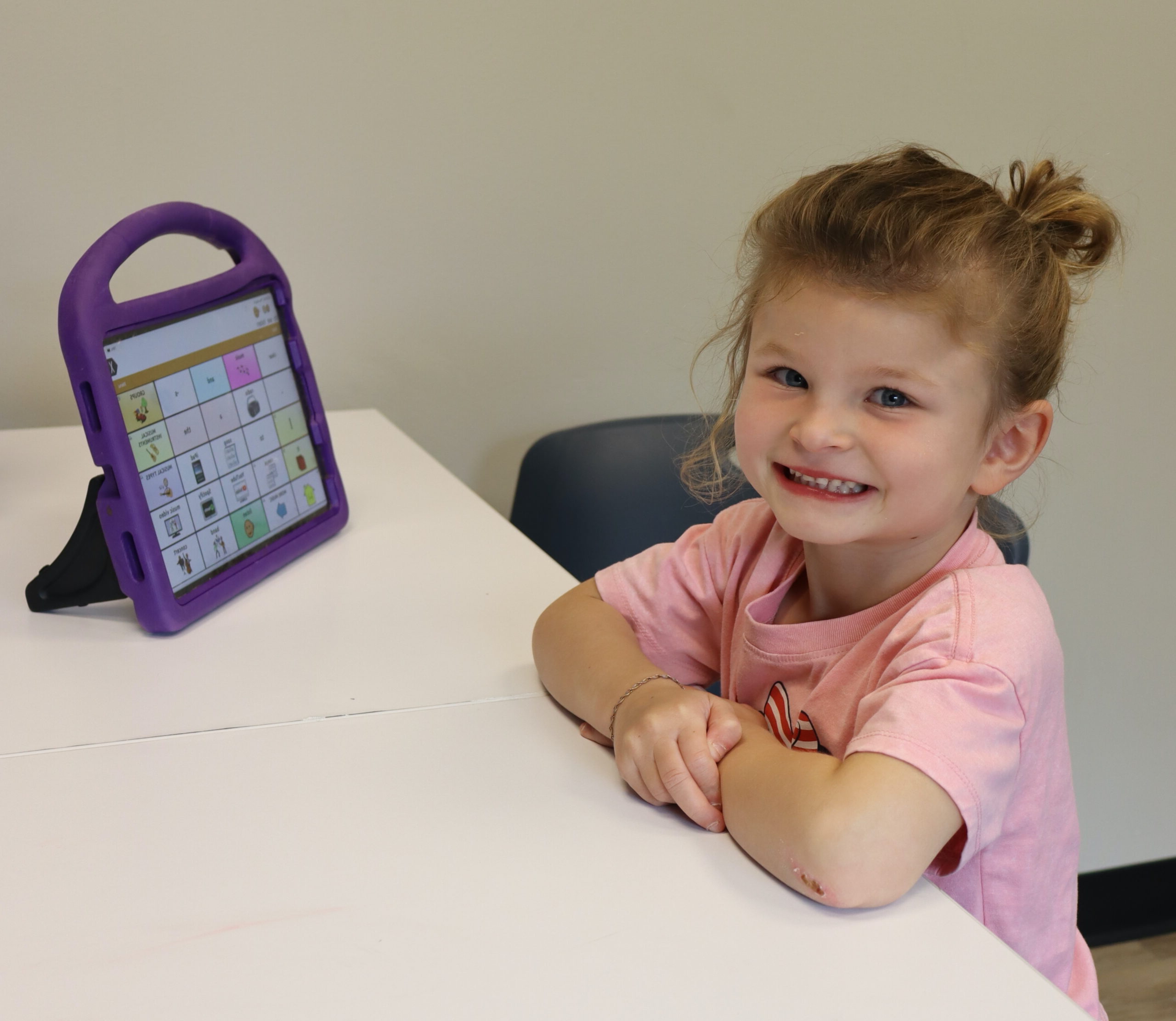
Early intervention is specialized help for infants and young children showing delays in speech, language, or social interaction. These early years mark a period of rapid brain growth, making this window valuable for building new skills. Children who receive help during this stage often build communication tools that carry into preschool, kindergarten, and beyond.
The team works with toddlers and preschoolers on first words, turn-taking in conversation, and everyday social exchanges. Speech-language pathologists and learning specialists at Enrichment Therapy & Learning Center guide each session. Families can learn more about the speech, language, and social skills programs offered here.
Signs To Watch For At Home
Parents often notice small changes before a formal diagnosis ever happens. Trusting that instinct matters, and a brief consultation with our team offers clarity around next steps. Common signs worth exploring include:
Gestures are used more than words
Following directions is a struggle
Play skills are lacking or not apparent
Eye contact seems difficult
Vocabulary seems to be falling behind
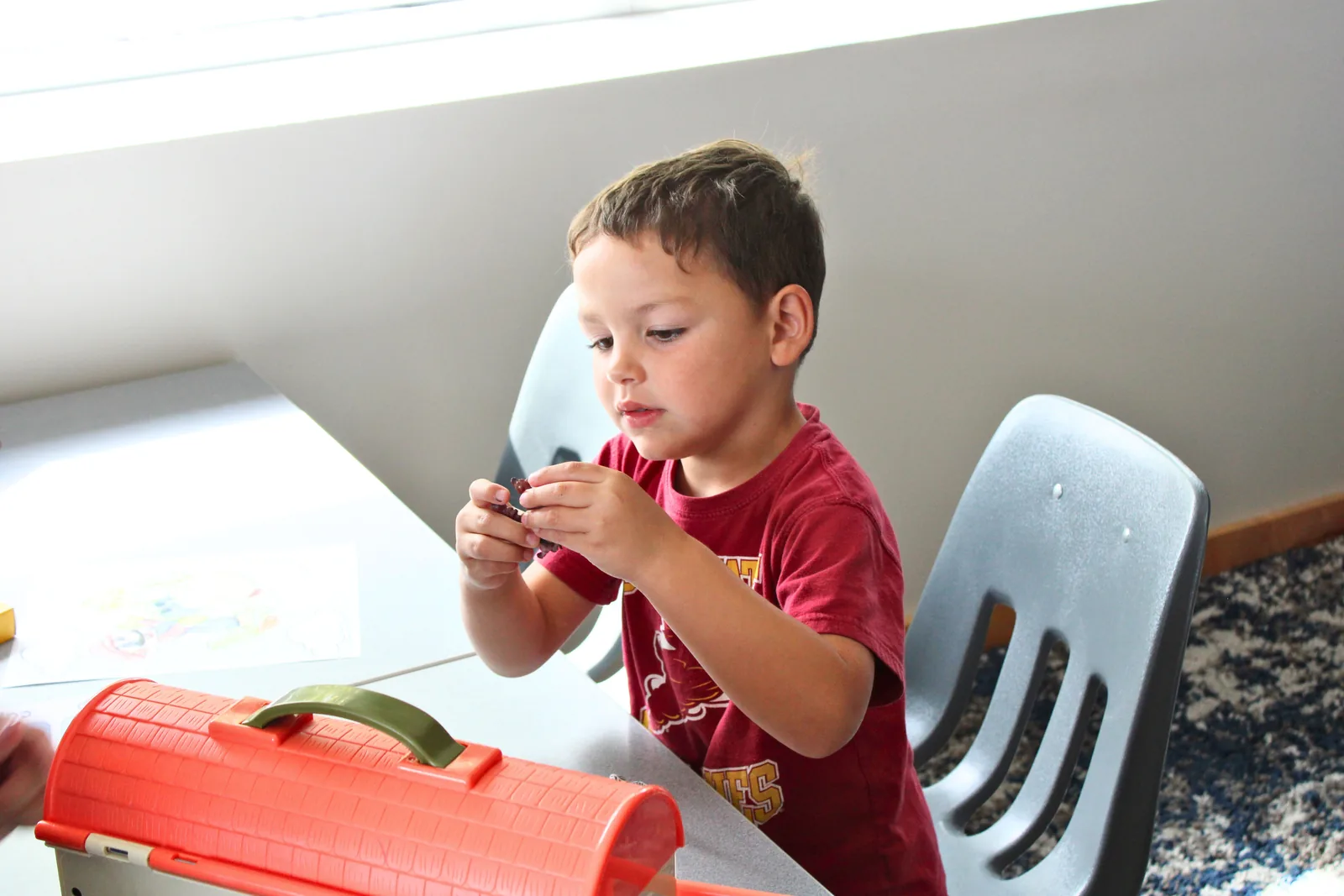
Catching these signals sooner opens the door to meaningful progress during a stage when the brain adapts quickly to new learning.
How Can Enrichment Therapy & Learning Center Help?
Young children learn best through play, and early intervention sessions build on that natural instinct. Individualized strategies, parent coaching, and structured play-based activities work together to give each child a foundation for lasting communication skills.
Starting early can help families:
Address delays before they affect school readiness
Reduce frustration tied to communication gaps
Build routines that carry over into daily life at home

Early Intervention services at Enrichment Therapy & Learning Center take place in person at the Johnston and North Liberty offices, where children work one-on-one with speech-language pathologists and learning specialists in a warm, comfortable space.
Why Choose ETLC?
What Families Are Saying

"We are very proud of our son for his hard work and perseverance with speech. He really has come far. While we miss many of his cute sayings like 'ki-ku' for thank you, we are delighted to see his progress and love the person he is and is growing up to be. We are thankful for Mallory and the Enrichment Center for everything they have done for our son and our family. They have given him the gift of communication and we are beyond grateful for that."
“Our daughter looks forward to coming to Enrichment every week, which has helped her grow! She receives positive reinforcement during sessions and looks forward to her practice at home. We are very proud of her hard work and improvement!”
"Before starting at Enrichment Therapy our son really struggled with his speech, both with trying to articulate and with his confidence when speaking. Since he started coming to his speech session his confidence with speaking to everyone is through the roof, he doesn't get as frustrated and give up trying to say what he wants, and he's becoming a lot more clear with his words. He absolutely loves his speech days and working with Ms. Meghan, sometimes it's even hard to get him to leave!"
“Our daughter has grown tremendously since starting speech therapy at Enrichment. She is able to articulate her thoughts and carry on a conversation beyond a single exchange. The list of gains goes on and for that we are grateful. She adores her speech-language pathologist and looks forward to chatting about their dinner plans each session! We look forward to the continued growth she will make!”
Our Blog
How Do I Get Started?


1. Start The Conversation
The first step is to reach out if you have a concern. We start with a conversation to learn about your child, answer your questions, and help guide your family toward the best next step, whether that is a screening, consultation, or evaluation.

2. Schedule A Consultation
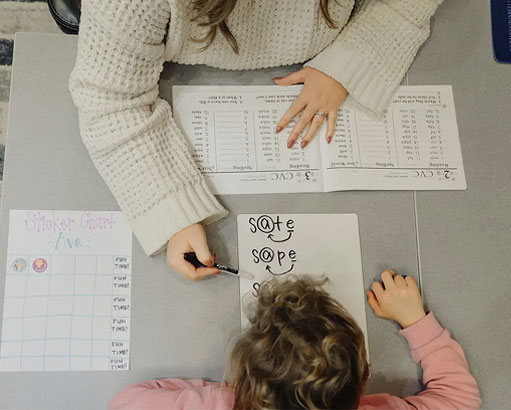
Once scheduled, families complete an online intake so our team can tailor the evaluation to your concerns. After the evaluation, we meet with you to review the results and recommendations and answer your questions.

3. Receive An Individualized Plan
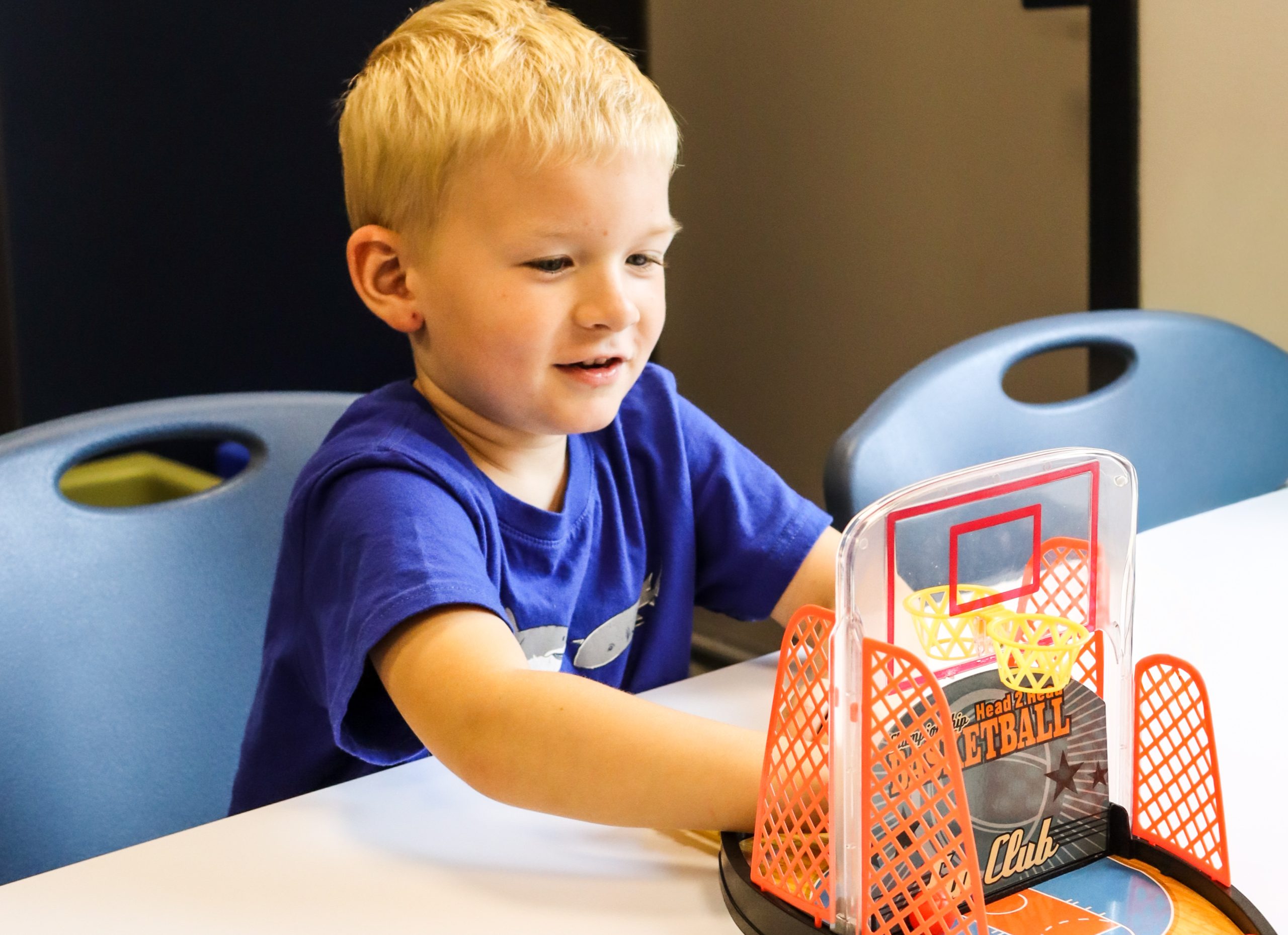
Your child receives a custom treatment plan with specific, measurable goals based on their unique needs. Depending on the provider, your insurance may cover our services. If it does not, we are transparent about cost.

4. Build Skills & Confidence
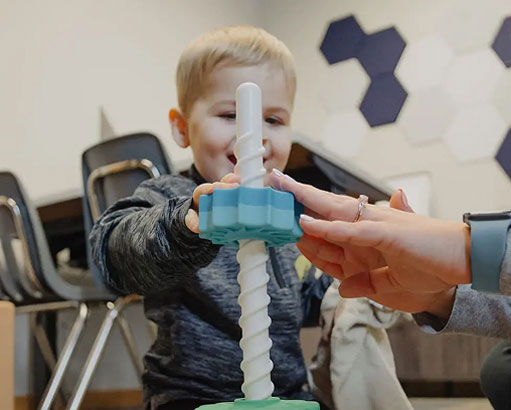
Through personalized one-on-one sessions, we help your child build skills and confidence. The length of treatment depends on your child's age, challenges, and progress, and we adjust the plan as your child grows.
Frequently Asked Questions
What age should a child start early intervention?
Most children begin between birth and age three, when concerns about speech, language, or social skills first appear. Starting during this window gives the best chance to build strong communication habits before school age.
Should I wait and see if my toddler catches up, or is there a quick way to check?
There is a quick way. Our free 30 minute screening lets you share what you are noticing with a specialist, and it is never too early to ask. You will leave knowing whether your toddler's skills look on track or whether an evaluation would help. No referral is needed.
What happens during an early intervention session at ETLC?
Sessions blend play with structured activities targeting speech, language, and social goals. Our specialists use games, songs, and everyday routines to keep learning natural and enjoyable for young children.
Do parents participate in early intervention therapy?
Yes, parent coaching plays a large role in our approach. Families learn strategies to reinforce communication skills at home, extending progress beyond scheduled sessions and into daily routines.
How long does early intervention therapy typically last?
Length varies based on each child's needs and goals. Our specialists reassess progress regularly and adjust the plan, with some children graduating within months and others continuing longer term.
Ready to Help Your Child Thrive?
You saw something, and you are acting early. That matters. Reach out today, and our speech-language pathologists and learning specialists in Johnston and North Liberty, IA, will guide you to the right next step, with virtual services also available.