


Originally Published: January 4, 2024 | Updated: September 2, 2026
At Enrichment Therapy & Learning Center, we know how overwhelming a dyslexia diagnosis can be. It can be confusing to know where to turn for reliable dyslexia support tips and resources for your child. The good news is that you’re not alone. Many great resources exist to help guide you toward the best support for your family. One of my favorites is my own ebook, Diving Into Dyslexia, A Parent’s Guide, which you can download for free.
Books and podcasts are also a great way to learn more about your child’s dyslexia and available resources. I recently listened to an informative episode from Dyslexia Journey: Support Your Kid, called “10 Tips for a Great New School Year.” It’s a quick 20-minute listen if you’d like a more in-depth explanation of each tip. Below are the five main takeaways I found most useful.
1. Receive an Official Dyslexia Diagnosis
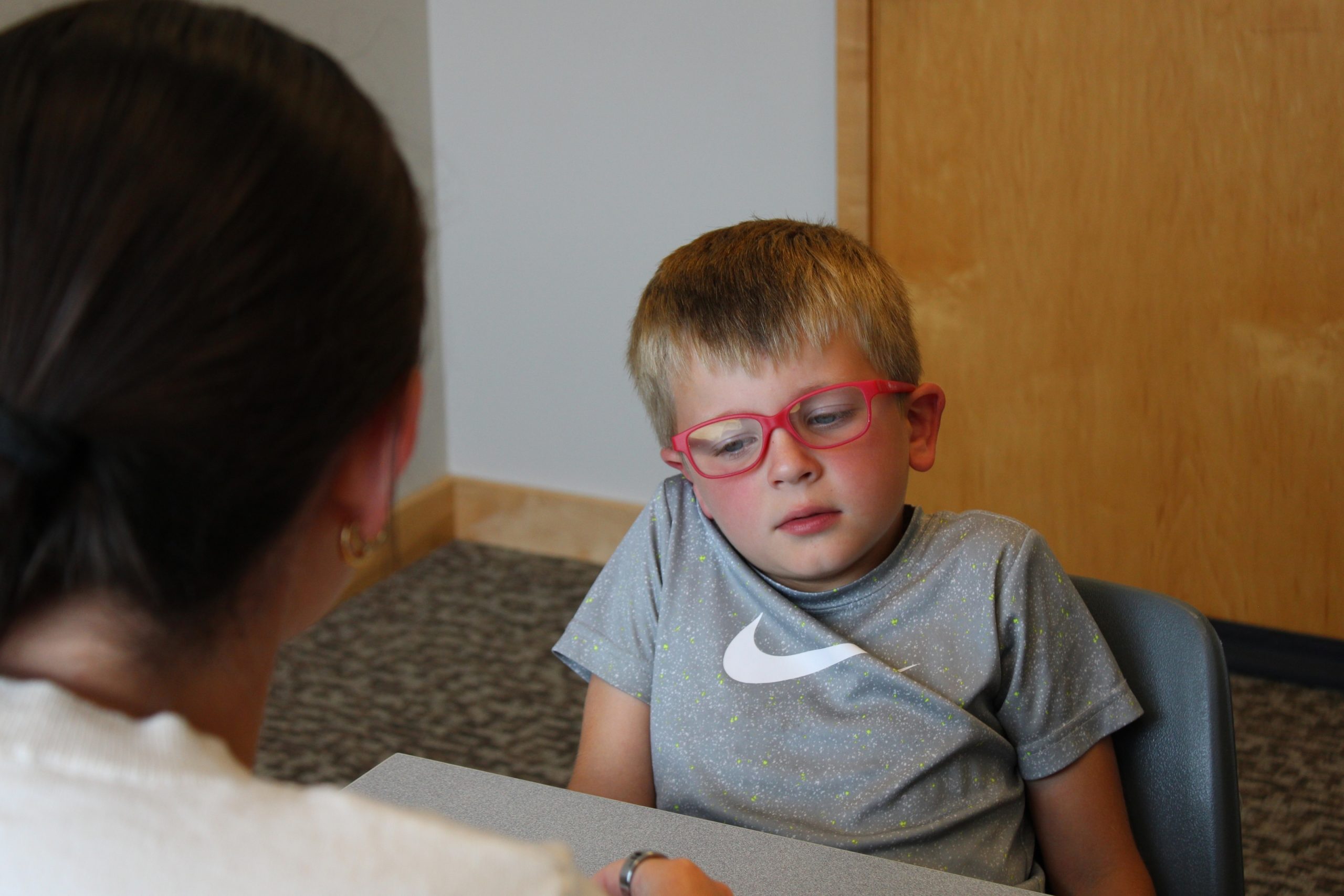
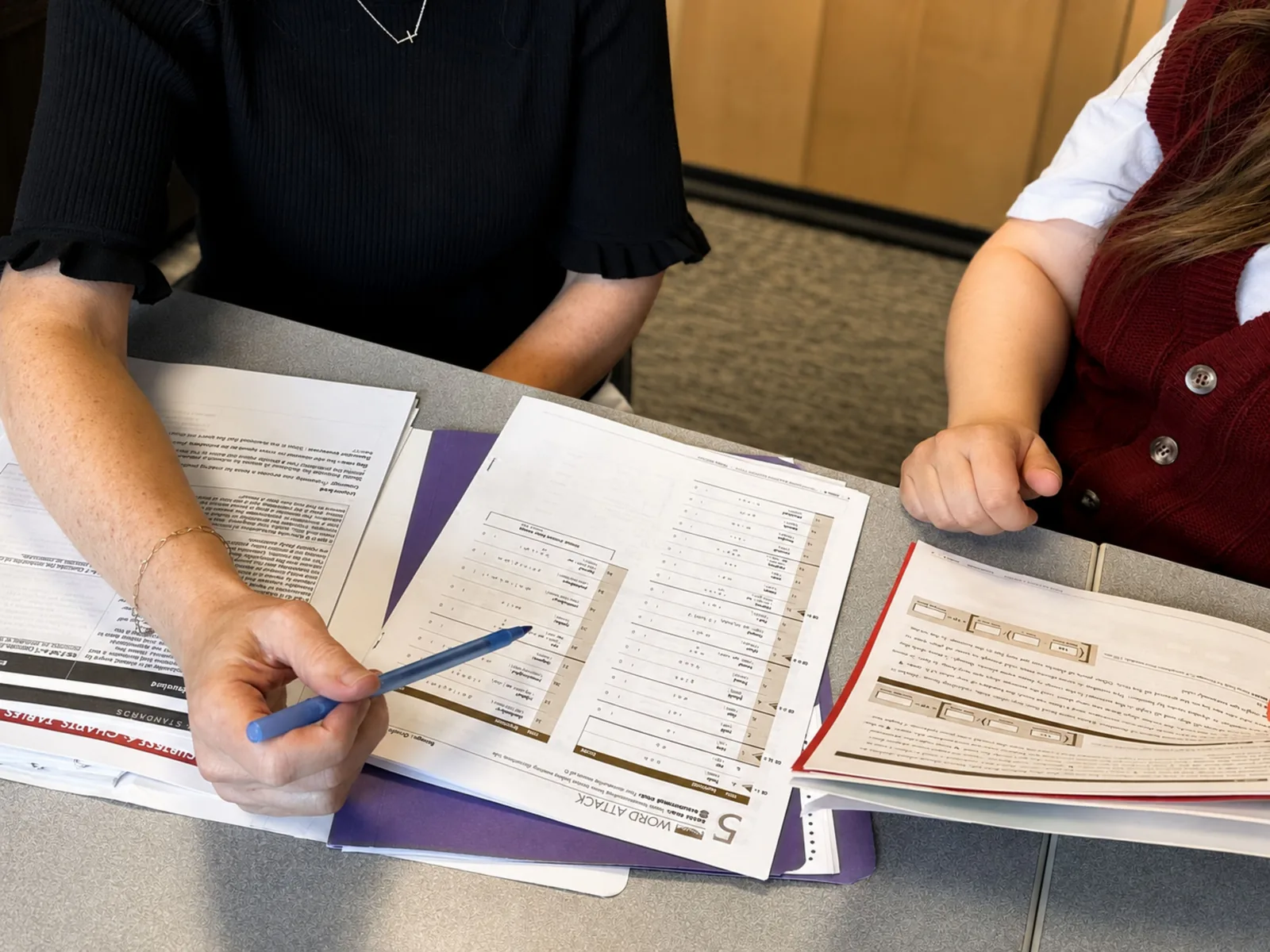
If you haven’t already, have your child assessed to receive a diagnosis and determine which accommodations would benefit them most. Enrichment Therapy & Learning Center offers full dyslexia evaluations, along with recommendations and diagnoses based on your child’s results.
2. Connect With Your Child’s Providers
Connect with your child’s teachers and other school staff, including their principal and counselor. Building these relationships and maintaining frequent communication helps everyone stay aligned on how to best support your child.
3. Create an Afterschool and Homework Routine
A consistent homework routine can make a real difference. Establishing an afterschool pattern that includes recovery time is key, and part of that involves choosing a “homework space” that helps your child succeed. This looks different for every child. For example, one child may work best while listening to music and standing at the table, while another does better in a quiet room at a desk. Regardless of the setup, one of the most important elements is that parents stay active, supportive, and positive while doing homework together.
4. Look Into Online Subscriptions
Consider looking into subscriptions for online services. A world of resources sits right at your fingertips, including audiobooks, assistive technology, and much more. Here are a few resources mentioned in the podcast episode:
5. Embrace Your Child’s Passions
While your child’s learning is a high priority, don’t forget to embrace their passions, along with your own, and always make time for fun. It’s all about balance.
ETLC Is Here to Provide Support
At Enrichment Therapy & Learning Center, we understand how overwhelming it can feel to find the right support for your child. We use evidence-based dyslexia treatment practices to optimize reading outcomes, and every individual session incorporates a multisensory approach. Because we believe every child deserves to thrive in their reading skills, we build an individualized plan specific to each child and their unique learning style. Ready to learn more? Schedule a call today.
0 Comments