

Originally Published: June 2021 | Updated: October 7, 2026
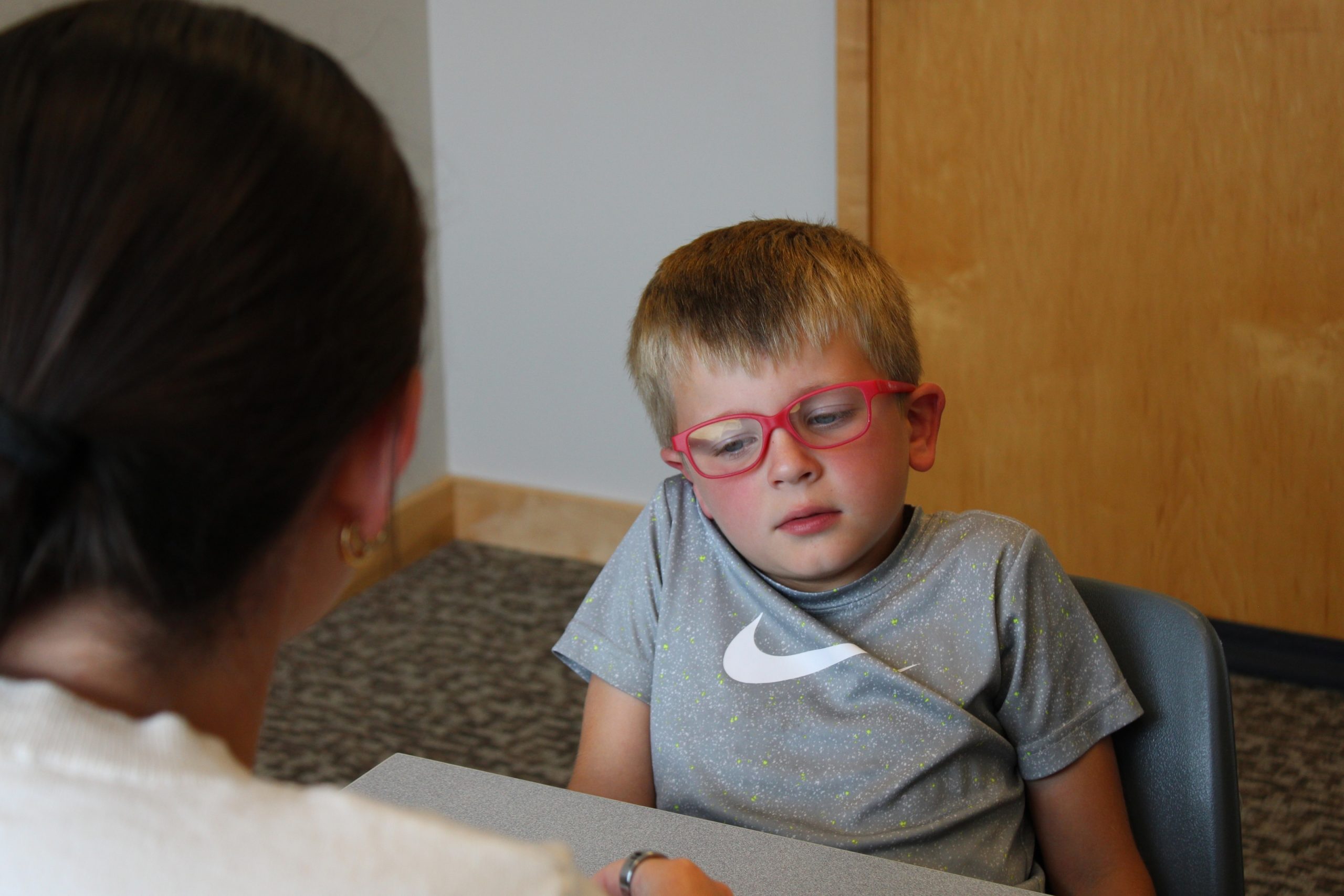
“I’m the worst reader in my class.”
“This is going to take so long.”
“I don’t like anything about school.”
“I’m just so tired.”
Reading interventionists often hear these kinds of things from students who struggle to read. Building self-esteem for kids with dyslexia starts with understanding how discouraging that struggle can feel. In fact, young students with dyslexia often find it hard to recognize their strengths, or even to see themselves as intelligent. After all, learning to read is one of the main goals of school until third and fourth grade. Then teachers expect students to use reading to learn new concepts on their own. As a result, struggling readers cannot “escape” from reading.
Why Self-Esteem Struggles Are So Common With Dyslexia
Because reading tasks feel so difficult, they remind students with dyslexia of their weaknesses constantly. Furthermore, they compare themselves to classmates who seem to glide through reading activities. As a result, many of them start to doubt their own ability.
So how can we help students with dyslexia see past their reading difficulties? How can we help them build self-esteem?
A “Sea of Strengths” Perspective
In her book Overcoming Dyslexia, Sally Shaywitz, M.D., encourages a “sea of strengths” perspective. Dr. Shaywitz has studied dyslexia and effective reading intervention for years at Yale’s Dyslexia Resource Center. For example, in one longitudinal study, she followed students from kindergarten until they were young adults.
Throughout her research, she found that students with dyslexia had many strengths that their reading difficulties did not touch. In fact, many of these students developed additional strengths as they found ways to learn despite their challenges. However, Shaywitz argues that conversations about dyslexia focus too often on a child’s struggles. As a result, they overlook real capabilities like reasoning, creativity, empathy, visualization, and novel thinking. Instead, she emphasizes that identifying and nurturing those strengths is essential to how a child understands and defines themselves.
Therefore, Shaywitz urges parents, teachers, and students to view dyslexia as a small weakness in a vast sea of strengths. So what about your child? What strengths do they have? How can you help them see and nurture those strengths? Also, how can they use those strengths to make up for skills that are harder for them?
Ways to Help Build Self-Esteem for Kids With Dyslexia
Below are more ideas for building the self-esteem of a student with dyslexia.
- Tell your child that dyslexia does not come from a lack of intelligence. In fact, people with dyslexia use their brains differently when they read. For example, they rely on different areas and pathways to complete the same reading tasks. Their brains simply work a little differently. Some people have brains that work this way from birth, and that is okay.
- Help your child think about learning to read with a “growth mindset.” For more information, see our guide to promoting a growth mindset.
- Talk about your own strengths and weaknesses. Help them see that everyone has a “sea of strengths” and some weaknesses. Share things you struggled to learn, or times you made mistakes while reading. In addition, make sure they know that mistakes are okay, because mistakes are part of learning.
A Child With Dyslexia Needs a Champion
Most importantly, Shaywitz stresses that a child with dyslexia needs a champion. This is someone who supports them unwaveringly and stays their advocate through the hard moments. Also, a champion expresses genuine optimism for the child’s future, both in words and in everyday actions. Perhaps most important, the struggling reader needs someone who does more than believe in them. Above all, that person turns belief into consistent action and works relentlessly to make sure the child gets the reading help they need.
Source: Shaywitz, Sally. Overcoming Dyslexia. New York: Vintage Books, 2003.
We’re Here to Help
Finally, if you have questions about supporting your child’s confidence and reading development, contact our team at ETLC. We’re happy to help. For next steps after a diagnosis, read our guide on what to do next.


0 Comments