

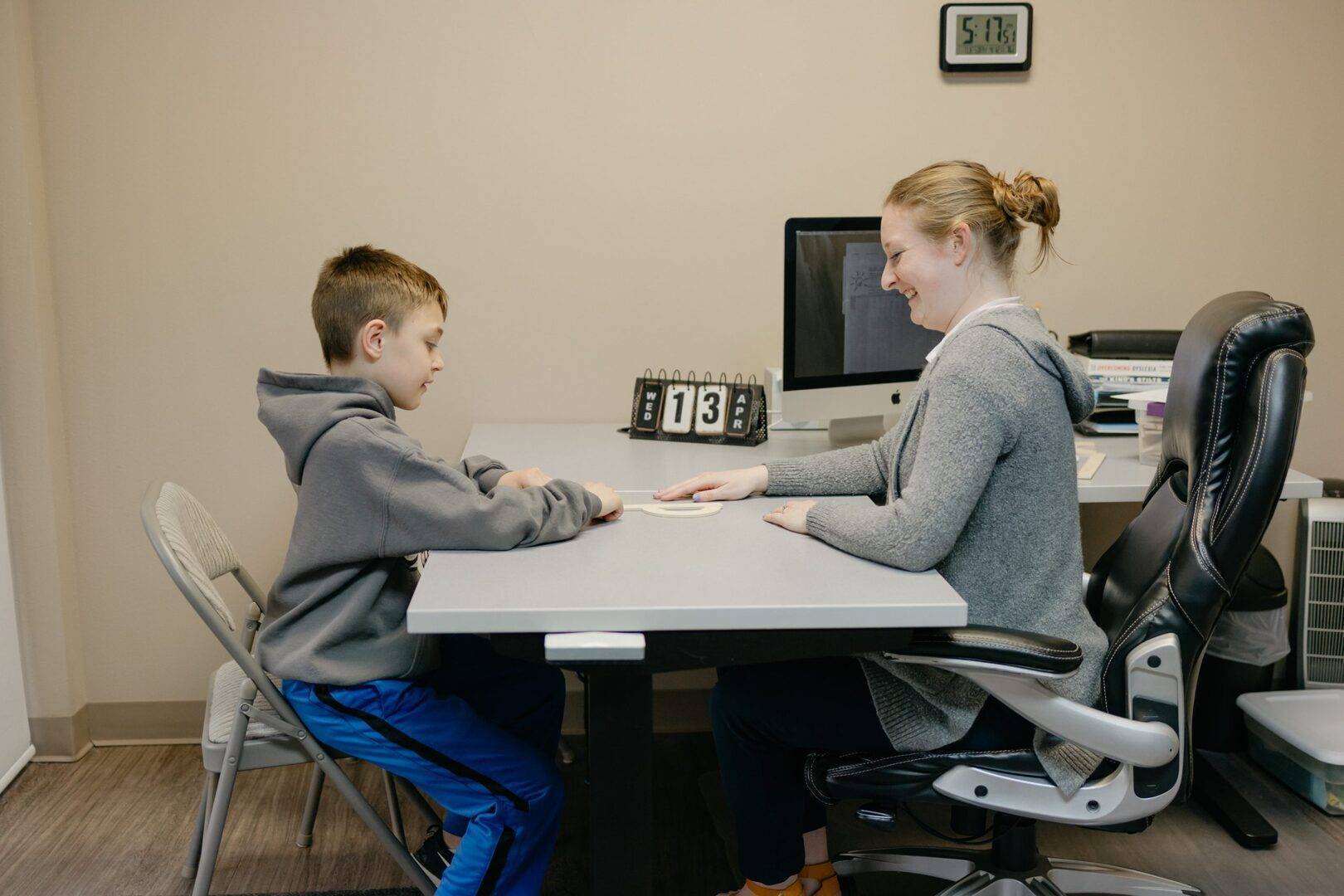
Do you find yourself struggling to motivate and help your child do their homework? The nightly homework battle is something we hear about from parents quite often. While all parents want their child to be successful in school, homework can easily turn into stress for both parents and students. Here are seven ideas for ending the homework battle and easing the headaches.
Set Up a Homework Routine
1. Pick a Set Time Every Night
Choose a specific time for homework each night, and try to avoid right after school. Your child has just spent all day working hard, so diving straight into homework can lead to a burnt-out, frustrated feeling quickly. Instead, choose a later time that allows for downtime first, like a snack or playing outside, so they can reset mentally.
A planned homework time also builds a predictable routine. Just like bedtime, kids will know that at the time you choose, it is time for homework. Since many children do well with a schedule, you can also post a weekly calendar where everyone can see it and mark test dates and due dates. Then add a few study days before each test, so your child isn’t cramming the night before.
2. Limit the Time Spent on Homework
The amount of homework can feel daunting, especially for kids who struggle with the concepts. Limiting homework time reassures children that they won’t be hovering over worksheets all night, which also helps prevent burnout. Every family needs to decide what works best, and many schools suggest about 10 minutes per grade level as a starting point. If you’re unsure, ask your child’s teacher what they expect.
Breaks matter too. After your child finishes one task, give them a 3 to 4 minute brain break before they move on to the next item.
3. Use a Planner
Many schools give each student a planner to track assignments and due dates. Help your child get in the routine of filling it out at school, so when they sit down to work, they know exactly what needs to be done. Once an assignment is done, they can check it off. Seeing the list get smaller can be very encouraging.
We also use this homework checklist to help students keep track of their assignments each day.
Set Up the Space and the Support
4. Find a Quiet, Screen-Free Zone
Our daily routines are dominated by smartphones, tablets, computers, and TVs, but screens can be a major distraction during homework. Turn off the TV, put phones away, and try being unplugged for homework time. Your child also needs a spot with the supplies they need, such as sharpened pencils, erasers, paper, and good lighting. For more ideas, see our guide to a homework workspace for kids.
5. Make It Family Study Time
Lead by example! Even if you don’t have homework, you can read a book or newspaper or write a poem while your child works. Having the whole family involved can help ease your child’s feelings of anger or resentment when a parent or sibling gets to watch TV or play a game while they have to do homework.
6. Be Available and Positive
Kids often say they don’t need help with homework, and sometimes that’s true. Even so, it helps to stay close during homework time to offer help before frustration builds. When you check in, ask “Do you have any questions about your assignments?” instead of “Do you have any homework?” because the second question makes it easy to answer “no.”
Let your child keep ownership of their work. Guide them when they need help, but don’t take over, and encourage them to talk to their teacher about any problems. Focus on their effort and growth instead of every mistake, and give positive feedback like, “I’m glad you tried that problem on your own first. That shows you are taking responsibility.”
7. Check In at the End
When your child finishes, ask how they feel they did and whether anything was hard. Look over a few answers to make sure they are on the right track, and check that everything in the planner was completed. Then tell them how proud you are of their hard work, which can help your child feel more confident about the next assignment.
How Much Homework Is Too Much?
If your child shows several of these signs, there may be too much work coming home each day, and it may be time to talk with their teacher.
- Your child can’t do homework independently
- One assignment takes hours to complete
- Work isn’t finished during the planned homework time
- Homework brings on strong emotions, such as crying, yelling, arguing, or worrying
- There’s no time left for activities or friends
- Negative comments about themselves or their work come up often
Frequently Asked Questions
What if my child still refuses to do homework?
Start by looking for the reason behind it. Homework may feel too hard, too long, or too stressful. Talk with your child and their teacher, and try a reward chart or other ideas from our post on how to motivate your child to learn.
Should I help with homework or let my child figure it out?
A balance often works best. Guide your child when they are stuck, but let them do the work, so they build skills and confidence.
When should I look for extra help?
If homework is still a daily struggle after trying these ideas, your child may benefit from support with organization, planning, or study skills. It can also help to look at whether executive functioning skills are part of the picture.
How ETLC Can Help
If homework is still a daily struggle, our tutoring and academic support team can help your child learn how to work through assignments on their own, including how to use a textbook and prepare for tests. Enrichment Therapy & Learning Center has locations in Johnston and North Liberty, IA, with virtual services also available.
Learn more about tutoring and academic support at ETLC or schedule a free consultation to talk with a member of our team.
You may also find these pages helpful:
- Homework Workspace for Kids: A 4-Step Guide
- Motivate Your Child to Learn: 5 Strategies That Work
- What Is Executive Functioning?
About the Author
Sonia Strueby, M.A., CCC-SLP, is the founder of Enrichment Therapy & Learning Center. With over 25 years of experience as a speech-language pathologist, Sonia has dedicated her career to helping children overcome complex communication and academic challenges. She has advanced training and a special focus on treating dyslexia and childhood apraxia of speech, and she is passionate about providing families with a clear path to success.



0 Comments