


Originally Published: August 30, 2024 | Updated: September 2, 2026
Executive function describes the cognitive process behind how people self-regulate, prioritize, plan, initiate, and attend to tasks. According to Harvard’s Center on the Developing Child, these skills develop over time and are essential for learning and daily functioning. We often explain executive functioning difficulties to children, and adults, by describing this system as the “boss” of our brain. The boss has to tell our brain what to do, how to do it, when to start, and what not to do.
What Children With Executive Functioning Difficulties Experience
Impulse Control
Everyone has impulsive thoughts and things they want to do. As we mature, we learn to weigh our impulses and desires against specific situations, deciding whether a behavior is acceptable. We consider our goals, the social setting, and the outcome of our actions before we act. Children with executive functioning difficulties may find it harder to stop that impulse to act.
It can be hard for kids to:
- Predict the outcome of a behavior
- Inhibit strong thoughts or emotions
- Understand the social impact of what they do
Task Completion
Completing a task relies on many executive functioning processes at once. We have to initiate motivation, plan the steps, organize materials, maintain focus throughout, monitor time, and self-monitor along the way to make sure we’re doing the task the way we intend. A child with a breakdown in any of these areas will likely struggle to complete tasks. This can show up as difficulty with morning or nightly routines, getting ready for sporting events, completing regular chores, or finishing homework.
Memory
We hold information in our “working memory,” a process separate from short-term and long-term memory where we manipulate information, consider options, and make decisions. From there, our brains sort that information into short-term or long-term memory. Difficulty with working memory is a frequent symptom of executive functioning difficulties, and it can show up in many different ways. For example, children may lose or misplace items more often, produce work that looks “messy,” lose their place while completing tasks or reading, and process information incorrectly because they “lose” earlier parts of it along the way.
Enrichment Therapy & Learning Center Supports Executive Functioning Difficulties
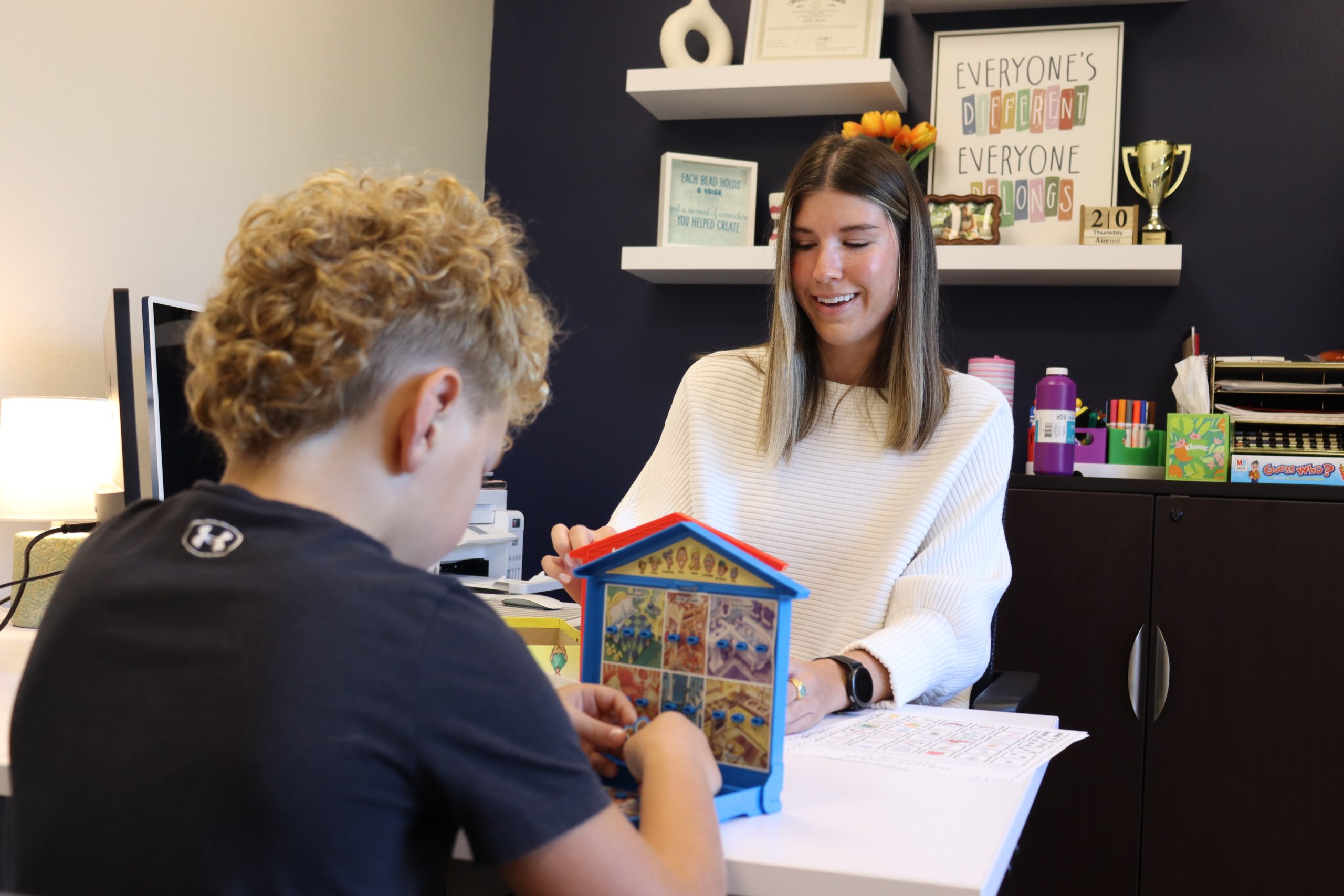
If your child struggles with executive functioning, Enrichment Therapy & Learning Center is here to help. Our speech-language pathologists evaluate a child’s language skills and structure tasks to identify specific challenges with their executive functioning. Your speech-language pathologist might also recommend further psychological testing to rule out or consider attention-based difficulties like Attention Deficit Disorder (ADD) or Attention Deficit Hyperactivity Disorder (ADHD).
For more strategies and support, check out our posts on building attention and executive functioning skills and games for executive functioning. For more information or to get started, contact ETLC today.



0 Comments