

Originally Published: December 2016 | Updated: September 2, 2026
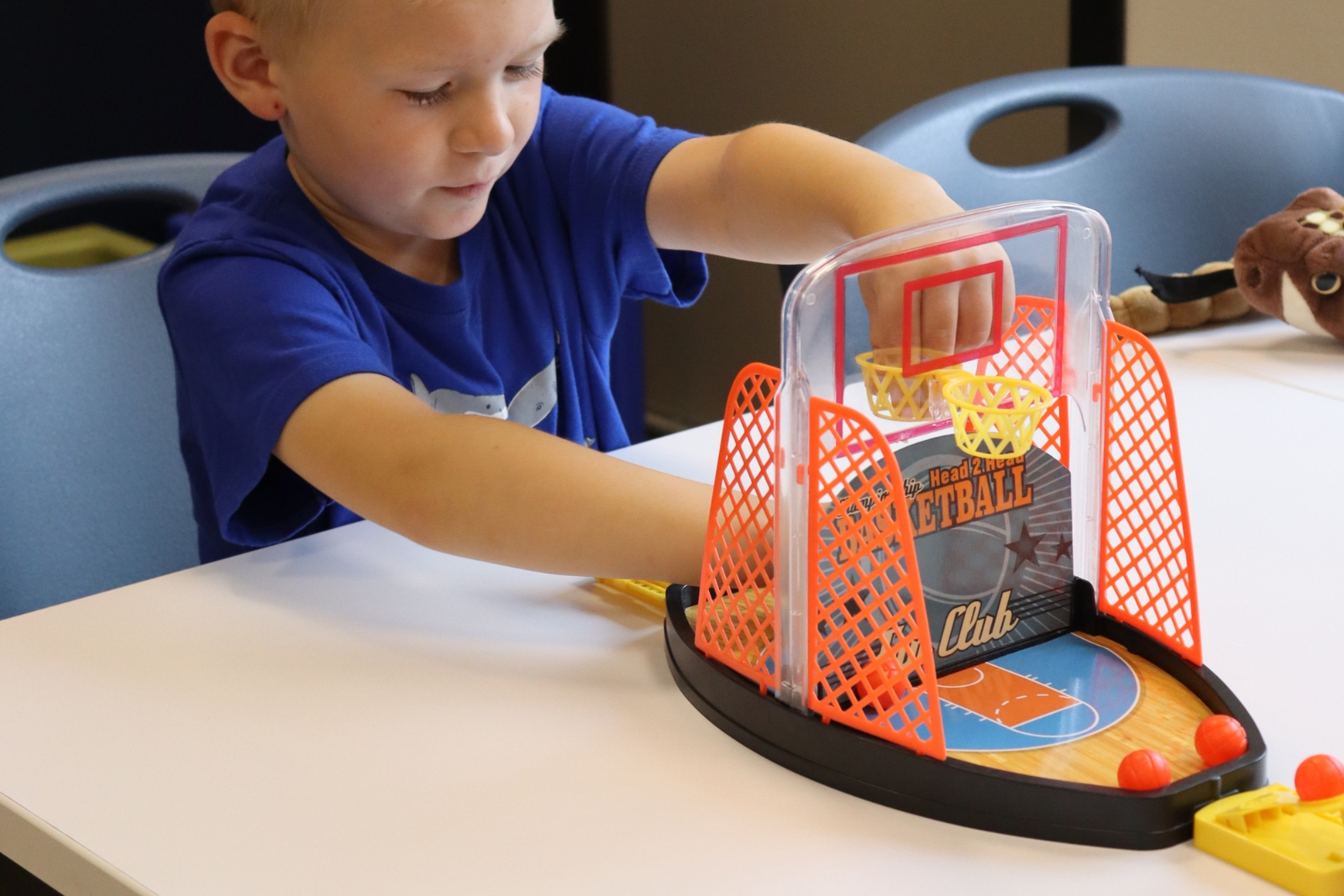
Are you looking for a way to connect as a family without a screen? Family game night offers more than just entertainment, it’s a research-backed way to build critical language and communication skills while creating lasting memories.
According to speech-language pathologists, playing board games helps children develop vocabulary, practice turn-taking, improve listening skills, and learn to express themselves clearly. If you want to start your own family game night tradition, or breathe new life into an existing one, here are 8 expert-recommended games that support language development while keeping the whole family engaged. For more on the benefits of family game nights, check out this insightful article.
Why Family Game Night Is Powerful for Language Development
Games create a natural, low-pressure environment where children practice essential communication skills without realizing they’re learning. Through gameplay, kids work on:
- Vocabulary expansion through exposure to new words and concepts
- Question formation and conversational skills
- Auditory processing and listening comprehension
- Expressive language through describing, explaining, and storytelling
- Social communication, including turn-taking and following rules
8 Games Speech Therapists Recommend for Family Game Night
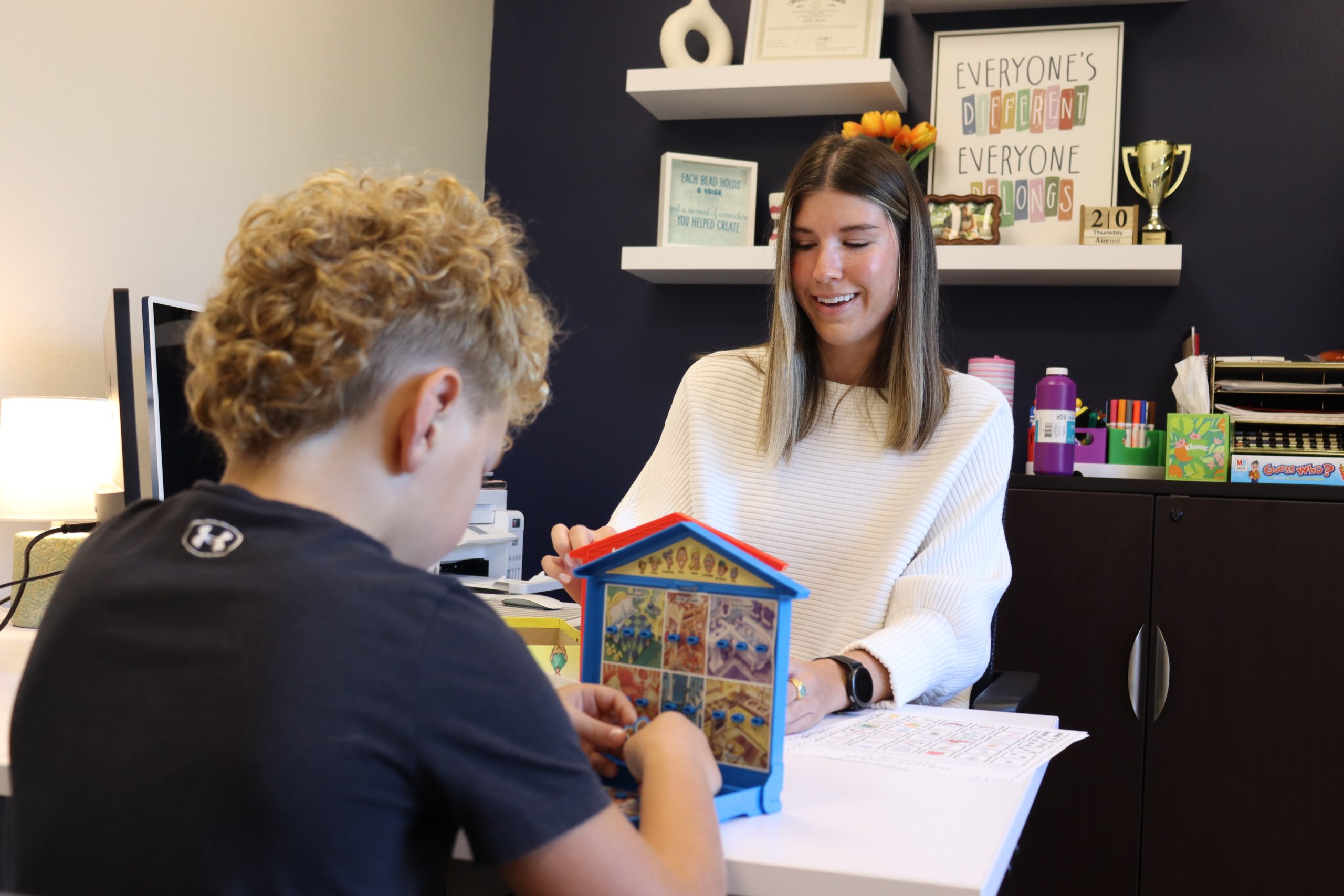
1. Guess Who?
A true classic for a reason! Players take turns asking yes/no questions to narrow down and guess their opponent’s secret character.
- Ages: 5+
- Skills: Formulating questions, turn-taking, and descriptive language
2. Headbanz
Get ready to look a little silly! Each player wears a headband with a secret picture and must ask questions to figure out what it is.
- Ages: 7+
- Skills: Asking questions, categorization, memory, and describing details
3. Blurt!
This game is all about listening and thinking fast. One player reads a definition, and everyone else races to “blurt” out the correct word.
- Ages: 7+
- Skills: Vocabulary, rapid word retrieval, and auditory processing
4. Tapple
A fantastic beat-the-clock word game. Players must quickly name something within a category that starts with an available letter before the timer runs out.
- Ages: 8+
- Skills: Categorization, vocabulary, and letter-sound knowledge
5. Quiddler
This card game challenges players to create words from the letter cards in their hands. Each round, the number of cards increases, making the words more complex.
- Ages: 8+ (Junior version available for 6+)
- Skills: Spelling, vocabulary, and phonological awareness
6. Rory’s Story Cubes
A powerhouse for creativity. Players roll a set of dice with pictures on them and must weave a story that connects all the images shown.
- Ages: 8+
- Skills: Storytelling, sentence structure, sequencing, and imagination
7. Catchphrase
This fast-paced electronic game keeps the energy high. Players try to get their teammates to guess a secret word by describing it before the timer buzzes.
- Ages: 8+
- Skills: Vocabulary, using synonyms, describing, and word retrieval
8. Scattergories
Perfect for older kids and teens, this game encourages creative thinking. Players roll a letter and must come up with unique answers for a list of categories that start with that letter.
- Ages: 13+
- Skills: Creative thinking, categorization, and vocabulary
How to Make the Most of Family Game Night
Choosing any of these for your next family game night is a total win-win. You get to spend quality time together and give your children a powerful, play-based tool for learning. For more tips on making your game night a success, Action for Healthy Kids offers some wonderful, simple ideas.
To maximize language learning during game time:
- Model good sportsmanship and communication
- Encourage your child to explain their thinking out loud
- Ask open-ended questions about strategies and choices
- Celebrate effort, not just winning
- Keep it fun and pressure-free, learning happens naturally through play
So grab a game, clear off the kitchen table, and get ready for some laughter!
0 Comments