

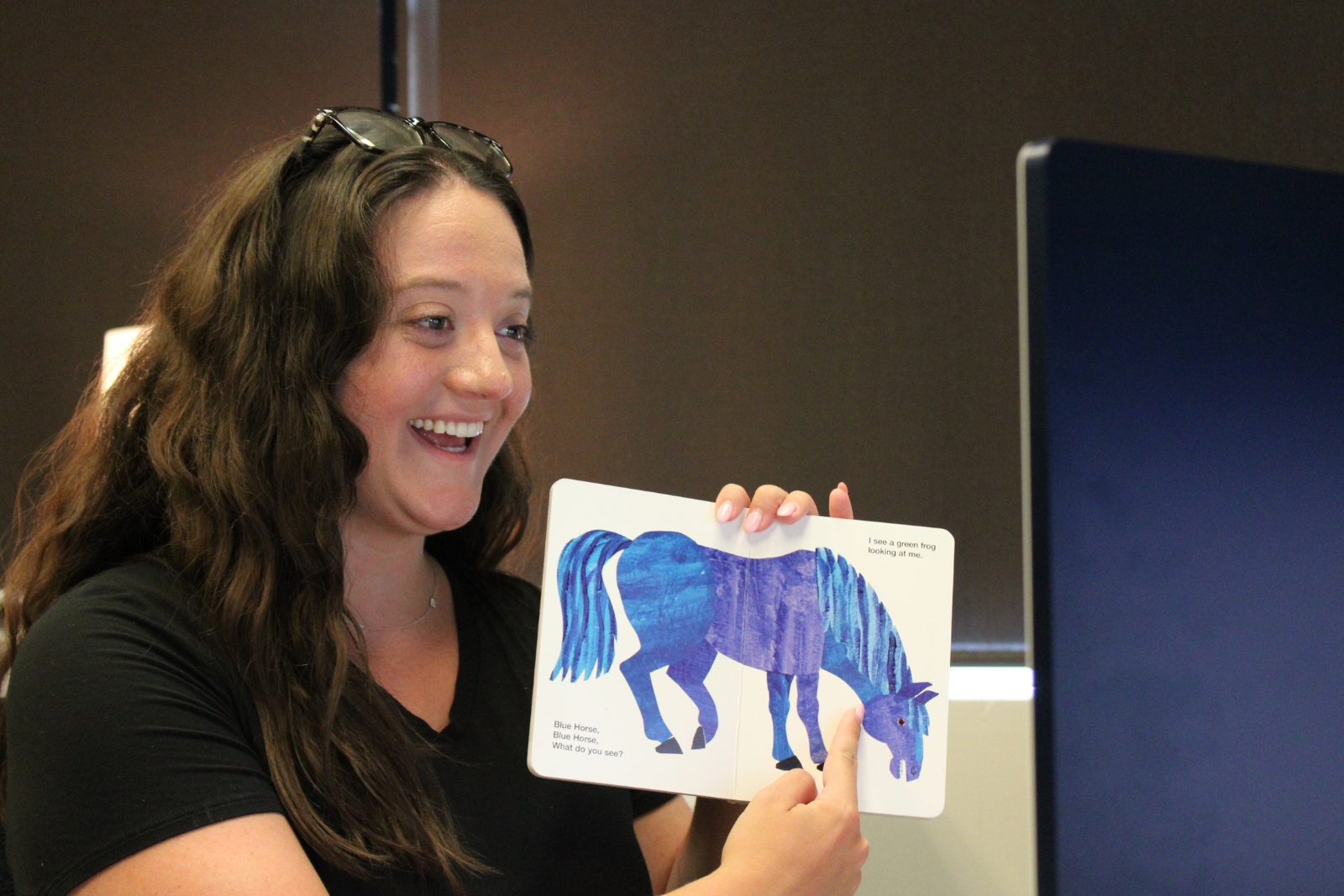
It is time to take advantage of audiobooks, especially for young, struggling readers. Reading is a primary way we gain knowledge and build vocabulary. Audiobooks for struggling readers are a great tool for students who are decoding at lower levels than their classmates. They let these students take part in the same subjects, topics, and vocabulary as their same-grade peers, without missing out. If reading is a challenge, or if a child has a diagnosis of dyslexia, audiobooks are a great option. According to the International Dyslexia Association, audiobooks and other assistive technology can give students with dyslexia genuine access to grade-level content while their decoding skills continue to develop.
Benefits of Audiobooks for Struggling Readers
In addition, audiobooks may be a gateway for students to enjoy the idea of reading. The pressure to decode new words is gone, so students can focus on comprehension and receptive language skills instead. While listening, students hear models for changes in inflection, like questions versus exclamations, as well as reading rate and pacing, like pauses between sentences or dialogue.
Readers can also focus on picturing the story or text, which expands their ability to connect a mental image to the language they hear. This ability to picture what you hear is an essential learning skill. In addition, audiobooks can give students access to reading material that matches their interests, even before their decoding skills catch up.
Benefits of Text-to-Speech
Text-to-speech software is a common and useful accommodation for many students throughout their school years. Students can use it to follow along with texts at their current reading level. Some software even highlights the words as they are read, so students can practice following along with a finger. As a result, text-to-speech levels the playing field for students who spend more energy decoding than understanding new information. For more tools, see our guide to assistive technology for dyslexia.
Where Do I Find Audiobooks?
You can find audiobooks on many platforms, including Audible, Apple Books, Scribd, and Spotify. Take the time to show your child how to listen to their favorite topics and authors. Then grab your favorite set of headphones and let your ears do some reading.
Frequently Asked Questions
Are audiobooks good for struggling readers?
Yes. Audiobooks let struggling readers take in grade-level stories and vocabulary while their decoding skills grow. They are a support, not a replacement for reading practice.
Do audiobooks count as reading?
Listening builds vocabulary, comprehension, and a love of stories. It works best alongside direct reading instruction, so your child keeps building decoding skills too.
When should I get help for my child’s reading?
If your child is reading below grade level, avoids reading, or you suspect dyslexia, an evaluation can find the cause and guide next steps.
How ETLC Can Help
If you have questions about your child’s reading development, our team is happy to help. Enrichment Therapy & Learning Center has locations in Johnston and North Liberty, IA, with virtual services also available.
Learn more about reading and dyslexia support at ETLC or schedule a free consultation to talk with a member of our team.
You may also find these pages helpful:
- Assistive Technology for Dyslexia
- Is Your Child Struggling With Reading?
- My Child Was Diagnosed With Dyslexia
About the Author
Sonia Strueby, M.A., CCC-SLP, is the founder of Enrichment Therapy & Learning Center. With over 25 years of experience as a speech-language pathologist, Sonia has dedicated her career to helping children overcome complex communication and academic challenges. She has advanced training and a special focus on treating dyslexia and childhood apraxia of speech, and she is passionate about providing families with a clear path to success.

0 Comments