

Originally Published: August 11, 2022 | Updated: September 1, 2026
Why Do We Read Words That Aren’t Real?
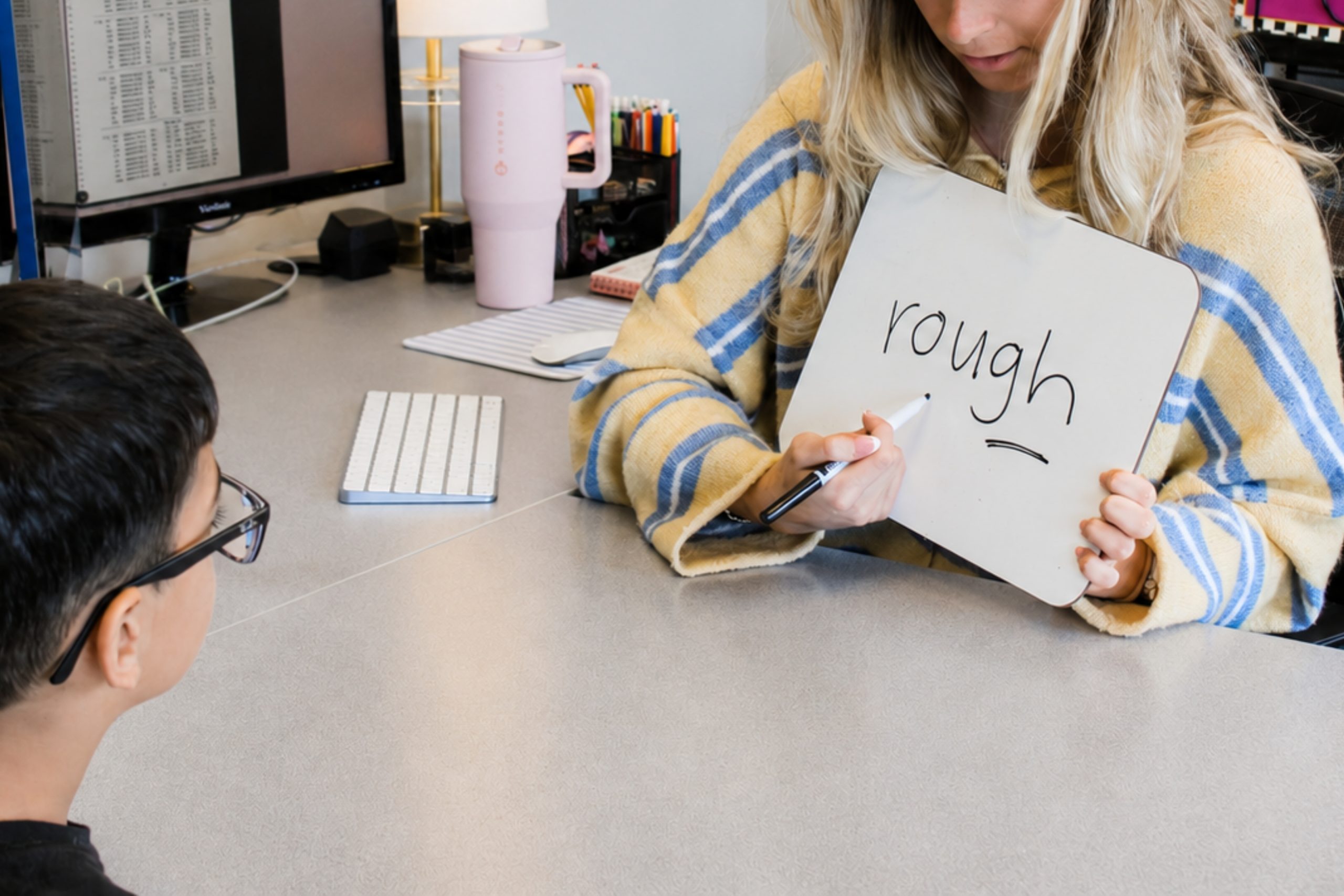
At first, it may seem odd to practice reading nonsense words, words that are “not real” or “made up.” However, the ability to decode nonsense words lays an excellent foundation for future reading success. Nonsense words are words without meaning in our traditional spoken and written language.
A nonsense word might look something like this: id, pak, cit, oop.
A higher-level nonsense word might look something like this: pech, tigup, nizure, repa.
Nonsense words follow predictable phonics rules and patterns. According to Reading Rockets, accuracy in decoding a nonsense word gives insight into whether a child can recognize and say individual phonemes (letter-sound correspondence), blend them together, and identify the most common sounds for groups of letters.
Nonsense words are especially useful for students who tend to guess at new words, or only read the first or second half of a word. Since these words don’t carry any real meaning, students are more likely to focus on the individual sounds they see, rather than guess at a predictable or logical word.
How Do Nonsense Words Support Reading Skills?
Throughout reading and learning, students will always encounter new words, especially as they build their vocabulary. Knowing how to read unfamiliar words, even ones with no meaning to the student yet, is part of becoming a fluent reader.
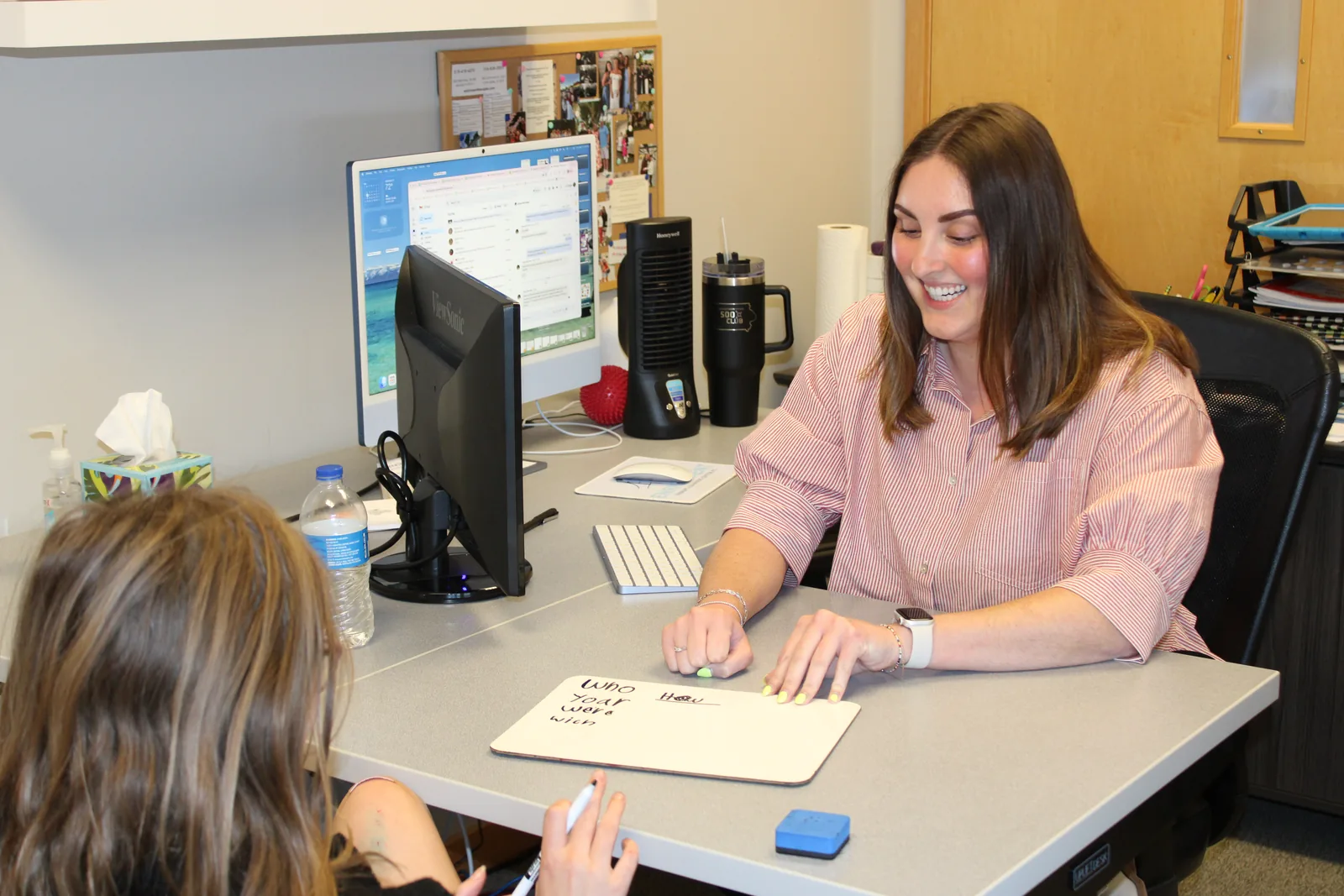
Nonsense words should be practiced alongside common, familiar sight words. They work as a supportive tool to bolster automatic recognition of high-frequency short vowels, long vowels, digraphs, and other phonics rules. You can challenge your young reader or speller by having them add a sound to a nonsense word to turn it into a real word. For example, “oop” plus /h/ at the beginning becomes “hoop!” Mastering the ability to manipulate sounds within words sets a strong foundation for future reading and spelling success.
We’re Here to Help
If you have questions about your child’s reading or phonological awareness development, contact our team at ETLC. We’re happy to help.

0 Comments