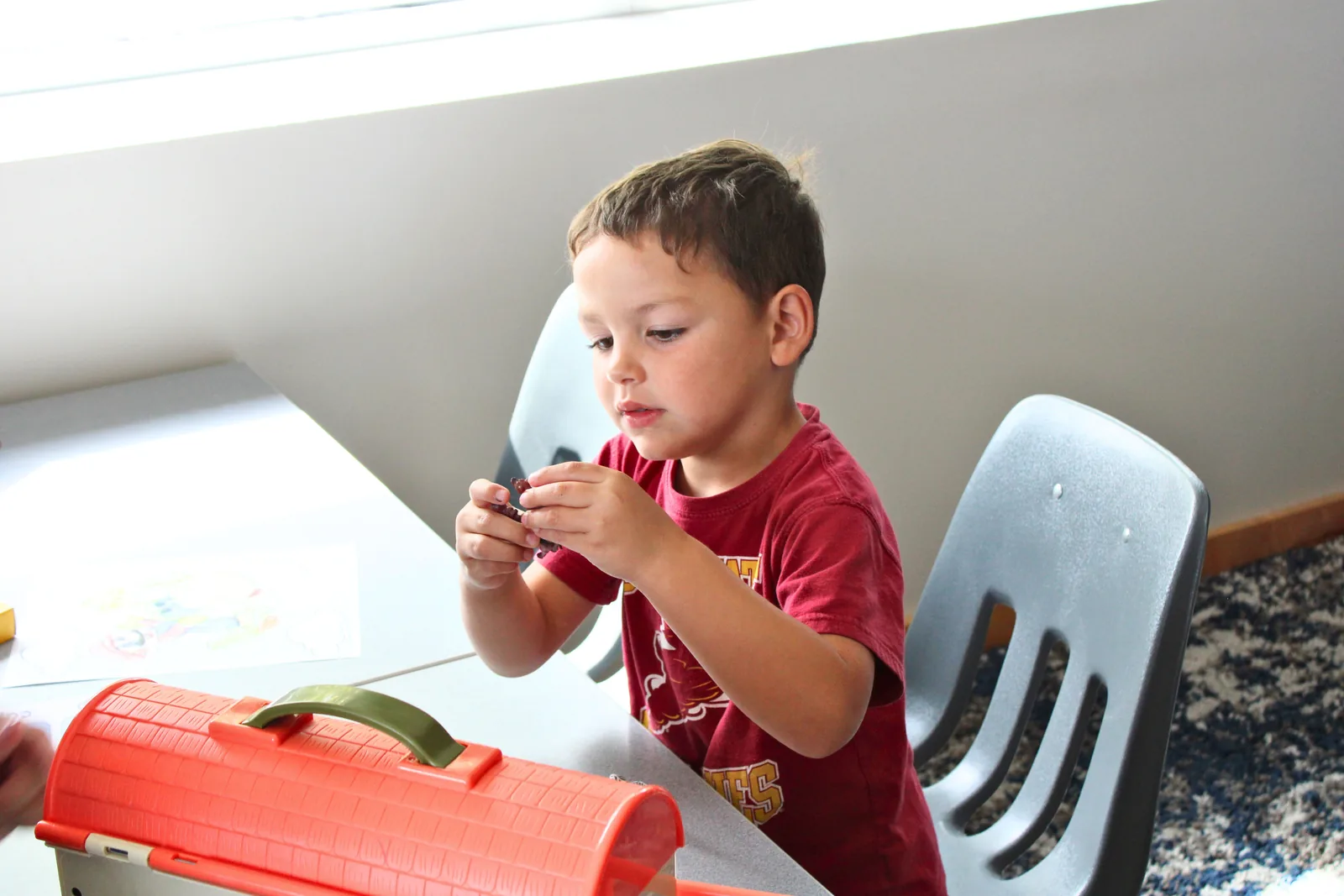

Do you feel overwhelmed with mealtime? Mealtime doesn’t have to be a struggle. Here are some tips to assist you in creating a positive mealtime experience for your child. 1. Eat Meals at the Table in an Appropriate Seat If possible, seat your child at the table with...
Developmental Stages
What Is Number Sense & Why Is it Important?
Number sense is a person's ability to understand, relate, and connect numbers. This includes comparing numbers, determining their values, and recognizing their value in various contexts. A wide range of math skills is included in number sense. The following skills all...
What Is Childhood Apraxia of Speech?
Childhood Apraxia of Speech (CAS) falls under the umbrella of speech sound disorders. It is simply a label to identify a specific type of speech sound disorder, not a medical diagnosis. CAS is characterized by the inaccuracy of motor movements needed to produce and...
Four Common Misconceptions About AAC
AAC... What is that? If you’re a parent of a child with a speech or language impairment, you likely have heard of this acronym, but may not understand what it means. AAC stands for Augmentative and Alternative Communication; which means finding a different or...
Ideas for Practicing Planning at Home
Planning is an executive function skill that has a large impact on a child’s ability to perform tasks/assignments at school, complete chores at home, or get ready for events like sporting games or practices. For some children, planning can come more naturally,...
3 Ways To Support Executive Function When Reading Together
Written By: Suzanne Schuchert, M.S., CCC-SLP This definition of executive function from Harvard University’s Center on the Developing Child is great: “Executive function and self-regulation skills are the mental processes that enable us to plan, focus attention,...