

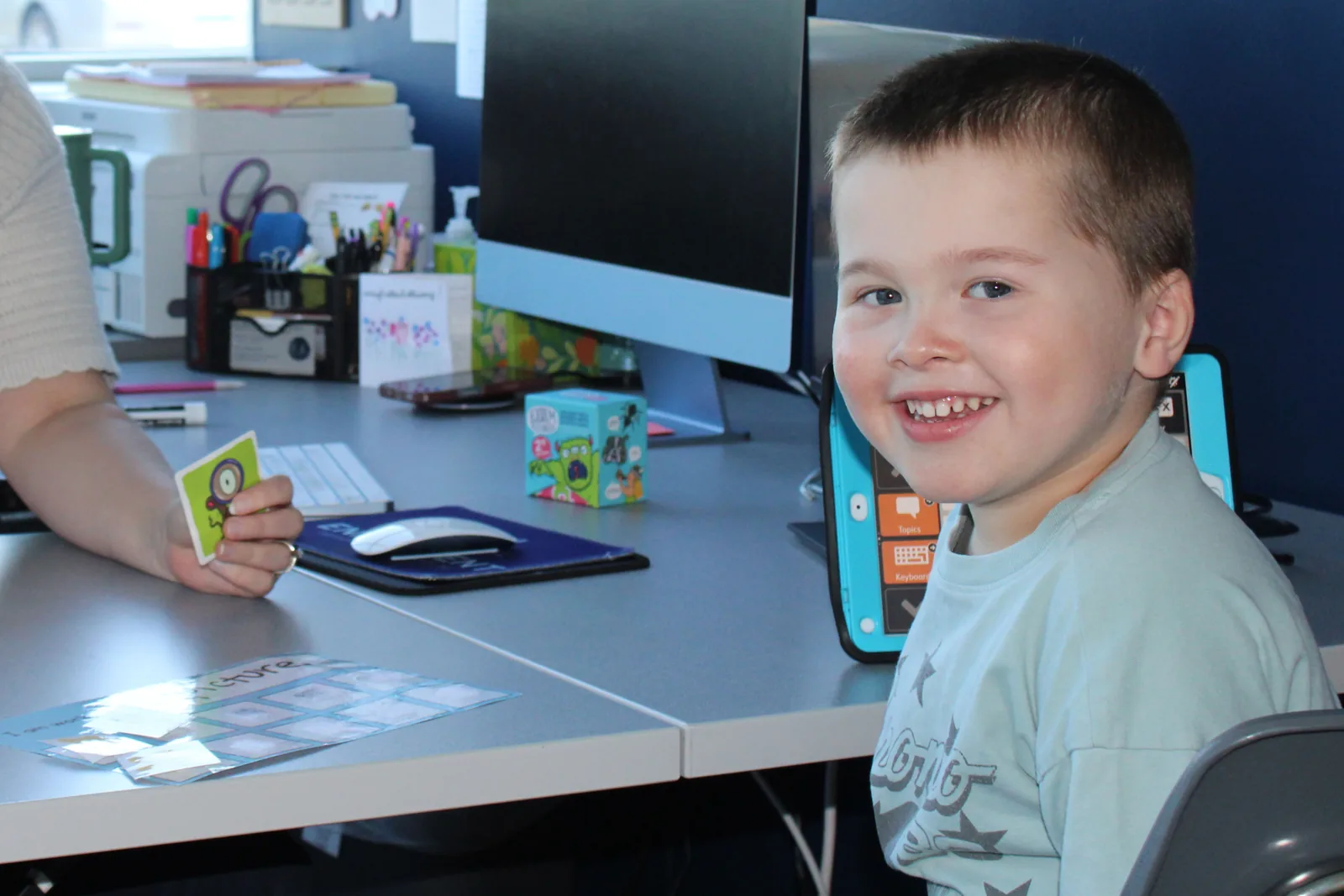
As summer winds down, one question comes up again and again for families of young children: Is my child ready for preschool or kindergarten? Whether your child is starting preschool for the first time or moving into kindergarten, it’s natural to wonder whether they have the skills they need, and what you can do to help them feel prepared and confident on day one.
The good news is that school readiness isn’t a single milestone. It’s a collection of skills across language, literacy, math, social interaction, and self-care, and most of them can be built through everyday play, conversation, and reading together. This guide covers what to look for, what to practice, and when to seek more support.
What Does School Readiness Mean?
School readiness doesn’t mean your child needs to read before kindergarten. It means they have a foundation of skills that lets them learn and take part in a group setting. Broadly, school readiness includes:
- Language and communication: following directions, expressing needs, and having back-and-forth conversations.
- Early literacy: letter awareness, phonological awareness, and a love of books.
- Early math: counting, number recognition, and one-to-one correspondence.
- Social skills: taking turns, sharing, playing cooperatively, and managing emotions.
- Self-care: dressing independently, using the bathroom, and managing a backpack.
Children don’t need all of these skills fully developed before starting school, since that is what school is for. However, the stronger the foundation, the smoother the transition.
Five School Readiness Skills to Build Before the First Day
1. Following Directions
Following directions is one of the most important school readiness skills, and it looks different at home than in a busy classroom with many children and voices. Start with one-step directions at home, like “Close the door” or “Get your shoes.” Use gestures or pictures along with the words if needed. Once your child follows one-step directions consistently, move to two-step directions, like “Put your book on the shelf and then wash your hands.”
The real challenge is following directions while busy with something else. Give a direction while your child is playing with a favorite toy, such as trucks, and see if they can pause, listen, and remember all the parts. That is exactly what a classroom requires.
2. Letters and Sounds
Preschool and kindergarten revolve around letters and sounds, so children who arrive with some foundation have a smoother start. Here are some tips:
- Teach letter names and sounds together, because many letter names give a clue to the sound. For example, the letter P has the /p/ sound at the start of its name.
- Focus on lowercase letters first, since they show up far more often in print. Then teach uppercase letters in pairs.
- Start with the letters in your child’s name, because children are most motivated to learn their own name first.
- Point out letters during the day, on signs, cereal boxes, and books. You can also name toys as you play, like “Doll, d-d-doll starts with the /d/ sound, letter D!”
Don’t worry about perfection. At this stage, exposure and positive feelings about letters matter far more than accuracy.
3. Numbers and Early Math
Number sense is about more than counting to 20. Preschoolers benefit most from building number recognition (identifying written numerals), counting (saying numbers in order), and one-to-one correspondence (understanding that each number stands for a real quantity). Here are fun ways to practice:
- Count food: ask “How many apple slices do you have?” and count them together. After your child eats one, find out how many are left.
- Number scavenger hunt: write numbers on sticky notes and hide them around the house for your child to find.
- Count everything: windows, chairs, steps, and toys, since counting in daily life builds number sense faster than flashcards.
- Dice games: roll a die, count the dots, and then build a tower with that many blocks or do that many jumping jacks.
- Songs: sing from 1 to 10, just as you sing the ABCs.
4. Routines and Transitions
Preschool and kindergarten are built on routines, like circle time, centers, snack, outdoor play, and storytime. Children who are comfortable with predictable sequences adapt to classroom life more easily. Build a visual schedule for your summer days. Even a simple three-step morning routine, such as wake up, breakfast, and get dressed, helps your child practice moving from one activity to the next. If your child struggles with transitions, such as from breakfast to running errands, a first/then schedule can help.
Also use transition warnings, like “In five minutes, we’re going to leave the park.” Children who expect a transition usually resist it less.
5. Social Skills and Turn-Taking
Many young children have limited experience in group settings before starting school. The social demands of a classroom, like taking turns, sharing materials, waiting, and listening while others talk, can be surprisingly hard. Turn-taking is part of the “hidden curriculum,” meaning it is rarely taught directly even though children need it. It is also the basis of communication: I talk and you respond, then you talk and I respond.
Practice at home with turn-taking play. For example, with baby dolls, first you feed the baby, and then your child feeds the baby. Narrate what you’re doing as you go. You can also:
- Play simple turn-taking games like Candy Land, Go Fish, or Uno.
- Read books about starting school and talk about how the characters feel.
- Role-play classroom scenarios, like “Pretend I’m the teacher. Let’s practice raising our hand.”
- Arrange regular playdates where your child has to share and cooperate.
Early Writing Skills
Your preschooler may not be writing full sentences yet, but you can still encourage early writing at home. Start with their name, since it is both motivating and practical for school. Our post on your child’s name and literacy and our handwriting games for kids offer more ideas. Here are a few playful ways to try it, and you can pick whichever your child enjoys most:
- Trace with a finger: Write your child’s name on paper, and then let them trace it with a finger. For extra fun, glue cotton balls on the letters so they can trace a textured surface.
- Play-Doh letters: Write a letter on paper, then help your child mold dough on top of it. Practice one letter at a time until they can work toward spelling their name.
- Whipped cream writing: Spread whipped cream on a baking sheet, and let your child write letters in it with a finger while you talk about each one.
As you do these activities, talk about the sound each letter makes. For example, ask, “What sound does the letter B make?” Because this connects letters to sounds, it supports your child’s phonemic awareness.
Building Early Literacy Through Books
Reading together is one of the most powerful things you can do to prepare your child for school. Every book builds vocabulary, background knowledge, print awareness, and a positive link with reading. Here are some tips for making the most of reading time:
- Point out the title and cover: “Look at the big words here. That’s the title. What do you think this book is about?” This builds print awareness and prediction.
- Talk about the pictures: before reading a page, ask “What do you see? What’s happening? What do you think they’re feeling?”
- Point out individual words: for bold or sound words like boom, squish, and crash, say “Look at this word, BOOM. It starts with the /b/ sound. Can you say boom really loud?”
- Ask questions during and after: “Why do you think she did that? What would you do? What happened at the end?” These questions build comprehension and language together.
Signs Your Child May Be Struggling at Preschool
If your child’s start to preschool hasn’t been smooth, or if their teacher is raising concerns about communication, play, or participation, it’s worth a closer look. All children develop at different speeds, and a range of skills in a preschool classroom is normal. But when concerns come from several places, such as the teacher, a daycare provider, and your own observations, that pattern is worth taking seriously. Common early signs that a child may benefit from more support include:
- Difficulty being understood by unfamiliar people.
- Limited vocabulary compared to same-age peers.
- Trouble following simple directions in group settings.
- Minimal participation in group activities or storytime.
- Play that looks very different from peers, such as very parallel, rigid, or limited play.
- Significant separation anxiety or emotional upset that doesn’t improve after the first few weeks.
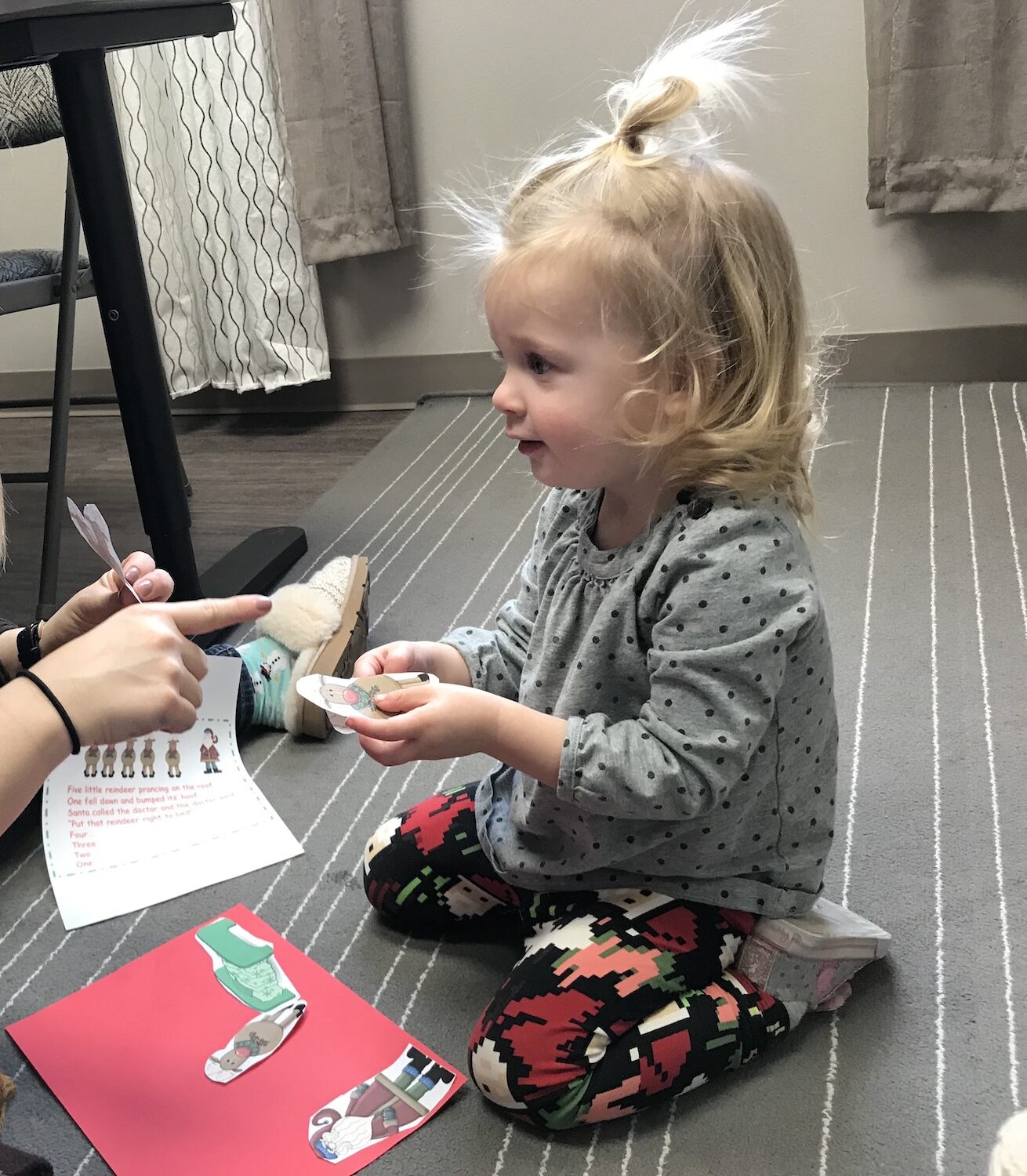
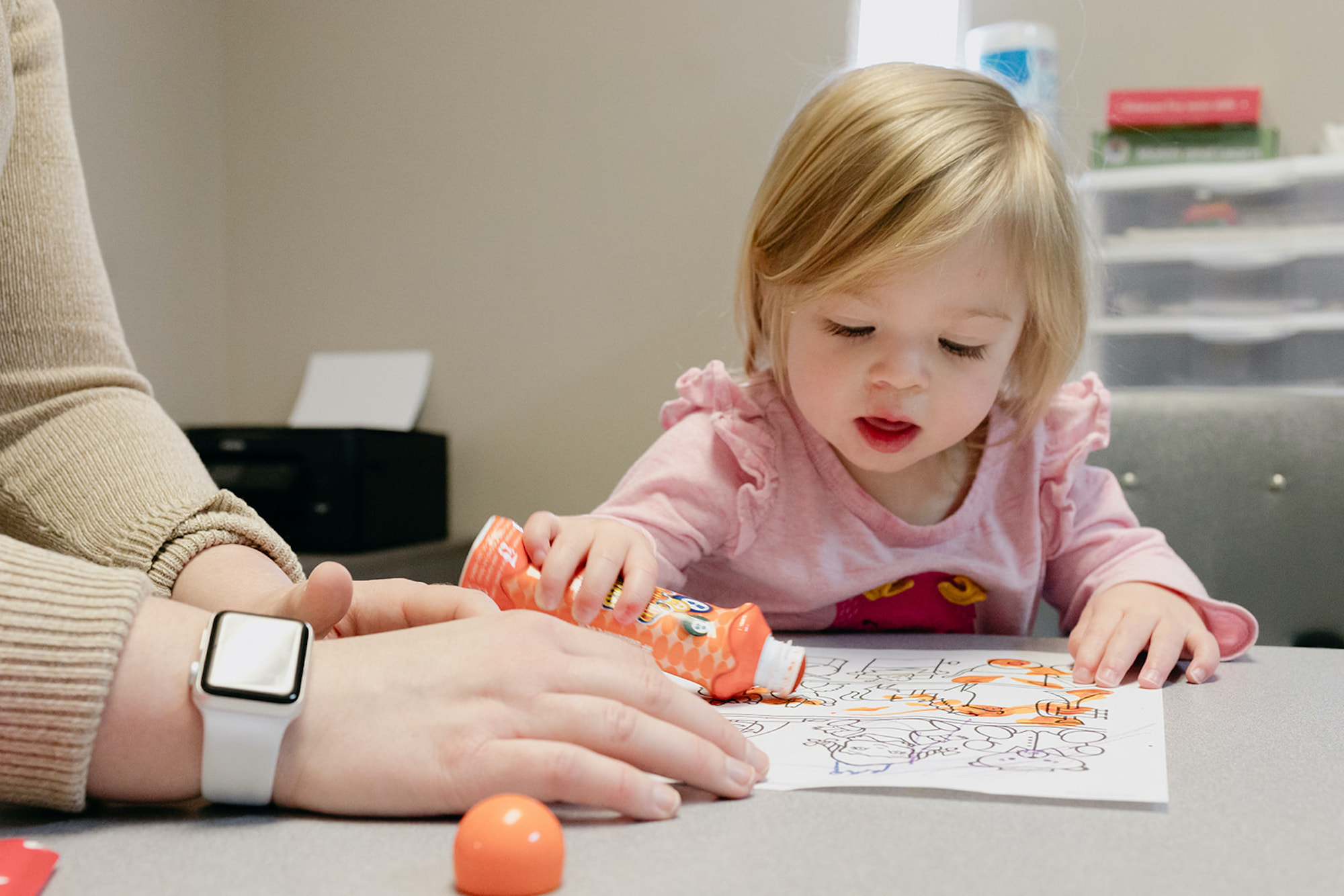
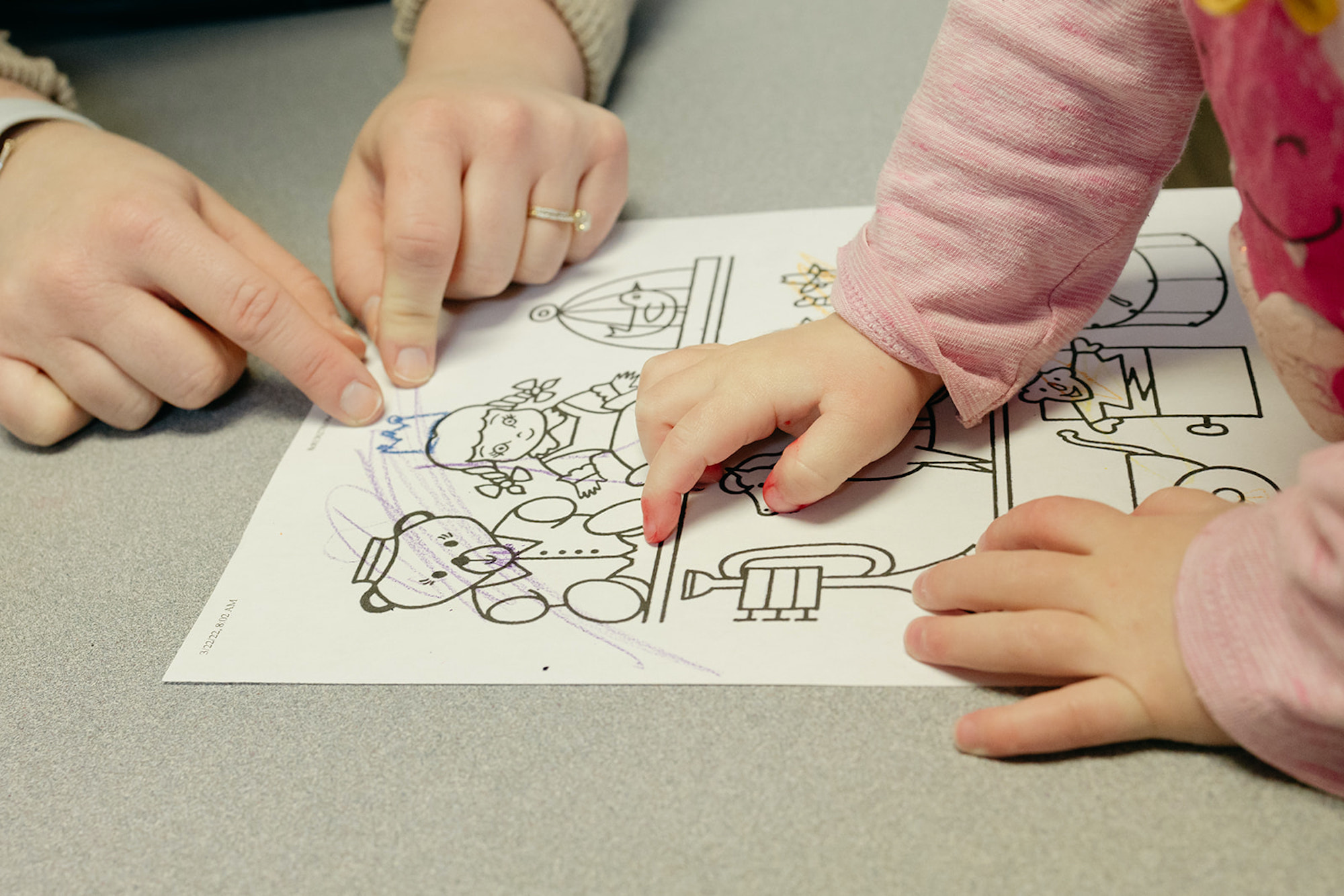
Speech-language therapy for preschoolers is play-based and child-centered. Sessions look like play, because for children ages 2 to 5, play is how learning happens. A speech-language pathologist identifies specific goals for your child and builds them into activities your child loves. A short evaluation is a low-pressure way to either get reassurance that things are on track or connect your child with support when it will help most.
Choosing the Right Educational Environment
School readiness isn’t one-size-fits-all, and neither is educational support. Some children thrive in larger classrooms, while others do better with smaller groups, individualized instruction, or a mix of school and outside support. If your child learns differently, whether because of a speech or language delay, a learning difference like dyslexia, or challenges with attention or social communication, knowing your options matters. Seeking individualized support isn’t a sign of failure. It’s a sign that you know your child.
Frequently Asked Questions
What should my child know before starting kindergarten?
There is no universal checklist, because kindergarten teachers are trained to meet children where they are. Still, children with strong language skills, some letter and number awareness, the ability to follow simple directions, and experience in group settings tend to have the smoothest transitions.
My child’s preschool teacher says they’re behind. What should I do?
Take the concern seriously and ask for specifics: behind in what area, by how much, and what the teacher has already tried. Request a meeting to discuss next steps. If a speech-language or developmental evaluation is recommended, pursue it promptly, since early support makes a difference.
Is it normal for my child to cry at drop-off?
Yes, especially in the first few weeks. Separation anxiety is developmentally normal, and most children adjust within a few weeks. A consistent routine, like a hug, a goodbye phrase, and a prompt exit, helps most children settle faster. If significant distress continues beyond the first month, talk with your child’s teacher and pediatrician.
Can speech-language therapy help with school readiness?
Yes. Many skills that predict school success, like vocabulary, following directions, phonological awareness, and social communication, are exactly what speech-language therapy addresses.
How ETLC Can Help
If you have questions about your child’s school readiness, communication development, or early literacy skills, our team is here to help. We provide evaluations and individualized therapy for children from toddlerhood through the school-age years. Enrichment Therapy & Learning Center has locations in Johnston and North Liberty, IA, with virtual services also available.
Learn more about early intervention at ETLC or schedule a free consultation to talk with a member of our team.
You may also find these pages helpful:
- Prepare Your Preschooler for Reading
- Best Books for Early Childhood Learners
- Language Disorders at ETLC
About the Author
Sonia Strueby, M.A., CCC-SLP, is the founder of Enrichment Therapy & Learning Center. With over 25 years of experience as a speech-language pathologist, Sonia has dedicated her career to helping children overcome complex communication and academic challenges. She has advanced training and a special focus on treating dyslexia and childhood apraxia of speech, and she is passionate about providing families with a clear path to success.
0 Comments