

Written by: Sonia Strueby, M.A., CCC-SLP, Founder of Enrichment Therapy & Learning Center
Originally Published: January 2017 | Updated: August 31, 2026
When a child starts struggling in school, one of the first questions parents ask is, “Should I get my child a tutor?” It’s an instinct, and tutoring can absolutely be the right choice for some kids. But choosing between a learning specialist vs. tutor isn’t always obvious, especially for children who are missing foundational learning skills.
That’s where a learning specialist comes in. The two roles are often confused, but they serve very different purposes, and understanding the difference can make a real impact on your child’s progress. Here’s a clear breakdown to help you decide which is the right fit for your child.
What Is a Tutor?
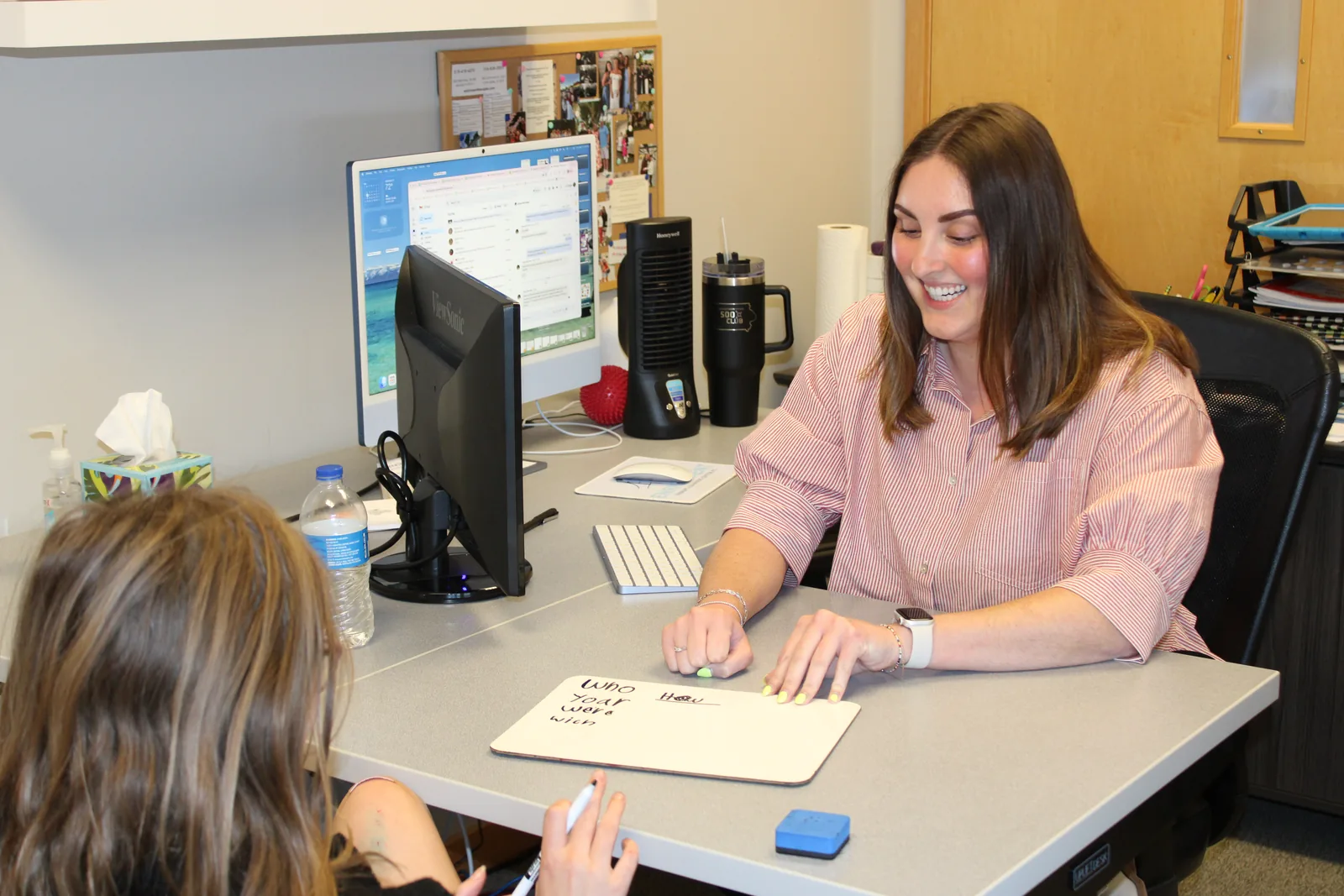
A tutor’s primary role is to help your child with the material they’re currently learning in school. This might look like reviewing class notes, preparing for an upcoming test, or working through homework together.
Tutors can come from a variety of backgrounds: college students, certified teachers, professionals trained in a specific subject area, or adults with expertise in a particular field. Their focus is generally on the content your child is learning right now.
Tutoring is a great fit when:
- Your child understands how to learn, but needs extra review of a specific subject
- Your child needs help keeping up with current coursework or test prep
- A short-term boost in grades or confidence is the primary goal
What Is a Learning Specialist?
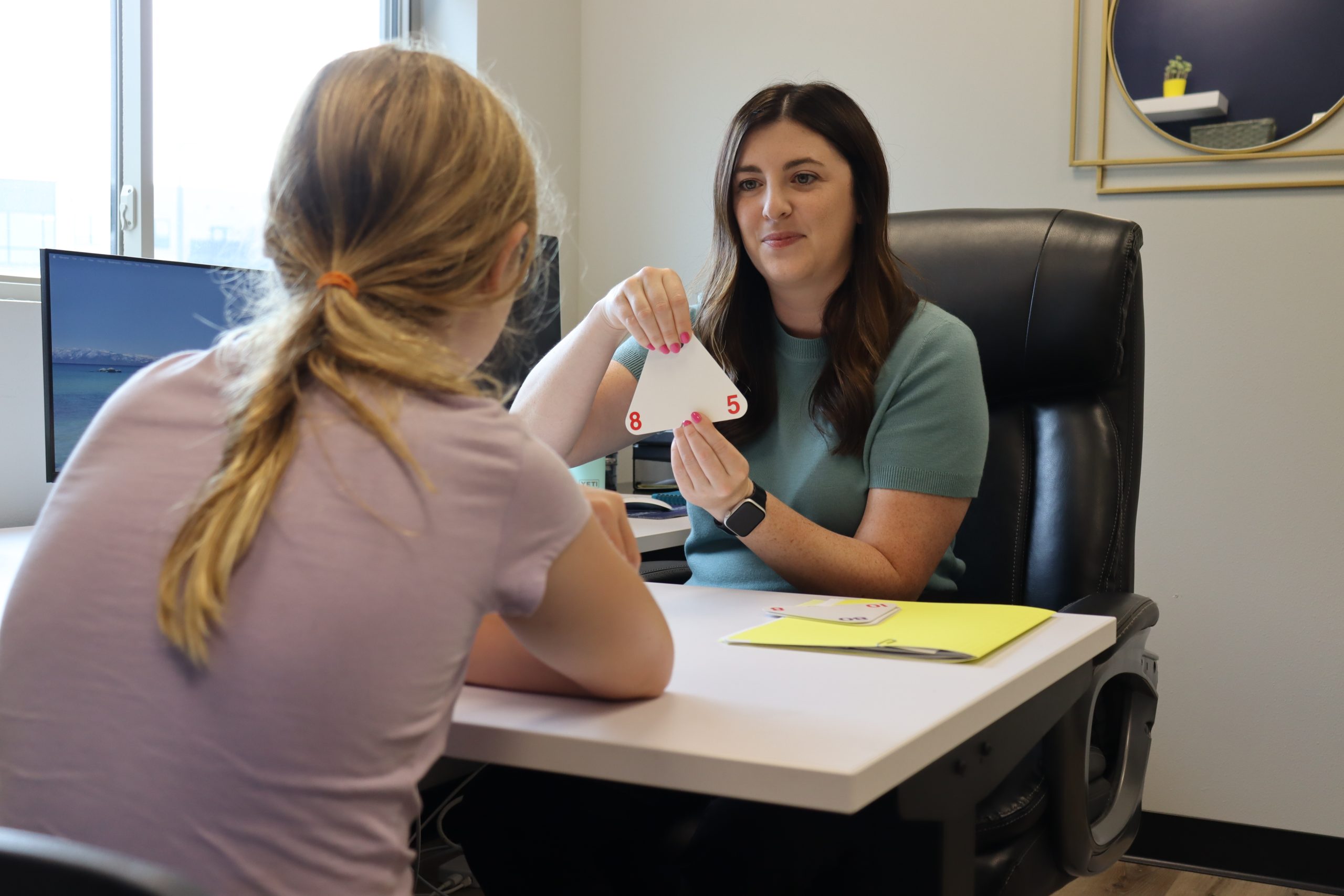
A learning specialist takes a deeper look at how your child learns, not just what they’re learning right now. At ETLC, all of our learning specialists are certified teachers in the state of Iowa, meaning they hold a college degree in education and bring formal training to every session.
The process looks different from tutoring from the very start. A learning specialist will:
- Conduct a full evaluation to identify where your child’s learning gaps are
- Build a personalized set of goals and benchmarks, reviewed every three months
- Track data to measure your child’s progress toward those goals
- Teach foundational skills that may be missing, the building blocks that make learning everything else easier
- Help your child understand and visualize new concepts, not just memorize them
The goal isn’t just better grades on the next test. It’s building the kind of great, lasting skills that give your child more confidence and more independence as a learner. According to Understood.org, this distinction between reviewing content and building foundational skills is exactly what separates the two roles.
How Do You Know Which One Your Child Needs?
A simple way to think about it: if your child understands how to learn but just needs more time or review with specific content, tutoring may be the right fit. If your child seems to be working hard but still struggling, especially across multiple subjects, a learning specialist can help identify and address what’s underneath.
Some signs that a learning specialist may be the better choice:
- Your child has received tutoring before, but hasn’t made lasting progress
- They struggle with reading, writing, or math in ways that feel out of proportion to their effort
- Teachers have mentioned concerns about foundational skills or learning differences
- Your child avoids schoolwork, seems frustrated, or has lost confidence in themselves as a learner
Frequently Asked Questions
Can a child work with both a tutor and a learning specialist? Yes, and sometimes that combination makes sense. A learning specialist can address foundational skill gaps while a tutor helps with day-to-day subject support. Your learning specialist can help you decide if both are needed.
How is an evaluation done at ETLC? Our learning specialists conduct a thorough assessment to identify where your child’s skills are strong and where the gaps are. From there, they build a personalized plan with measurable goals reviewed every three months.
Does my child need a diagnosis to work with a learning specialist? No. A diagnosis is not required to receive support from a learning specialist. Many children who benefit most from this type of help have never received a formal diagnosis, they simply have gaps in foundational skills that haven’t been addressed yet.
What subjects do learning specialists cover? Learning specialists at ETLC work on foundational academic skills, including reading, writing, and math. The focus is on building the underlying skills that support success across all subject areas.
When to Seek Support
If you’ve been wondering whether your child needs more than what tutoring can offer, trust that instinct. Early support, before gaps grow larger, makes a significant difference in how quickly a child can catch up and build confidence.
A conversation with a learning specialist is a low-pressure way to get clarity on where your child stands and what kind of support would help them most. Learn more about our tutoring and academic support services, or schedule a consultation to talk with a member of our team.
About the Author
Sonia Strueby, M.A., CCC-SLP, is the founder of Enrichment Therapy & Learning Center. With over 25 years of experience as a speech-language pathologist, Sonia has dedicated her career to helping children overcome complex communication and academic challenges. She has advanced training and a special focus on treating dyslexia and childhood apraxia of speech, and she is passionate about providing families with a clear path to success.

0 Comments