


Written by: Sonia Strueby, M.A., CCC-SLP, Founder of Enrichment Therapy & Learning Center
Originally Published: May 13, 2019 | Updated: August 31, 2026
Summer programs and camps are a wonderful option for keeping kids academically engaged, but you don’t need a formal program to sneak learning into summer. Everyday activities you’re probably already doing, game nights, cooking, building, playing outside, can double as academic practice without feeling like a lesson at all. Here are five fun ways to sneak learning into your family’s summer.
Why Sneak Learning Into Everyday Activities?
Kids often learn best when they don’t realize they’re learning at all. According to NAEYC, even simple games help build executive function skills like working memory, self-control, and flexible thinking, skills that are directly linked to success in both math and literacy. Low-pressure, play-based learning isn’t just fun, it’s genuinely effective.
5 Fun Ways to Sneak Learning Into Summer
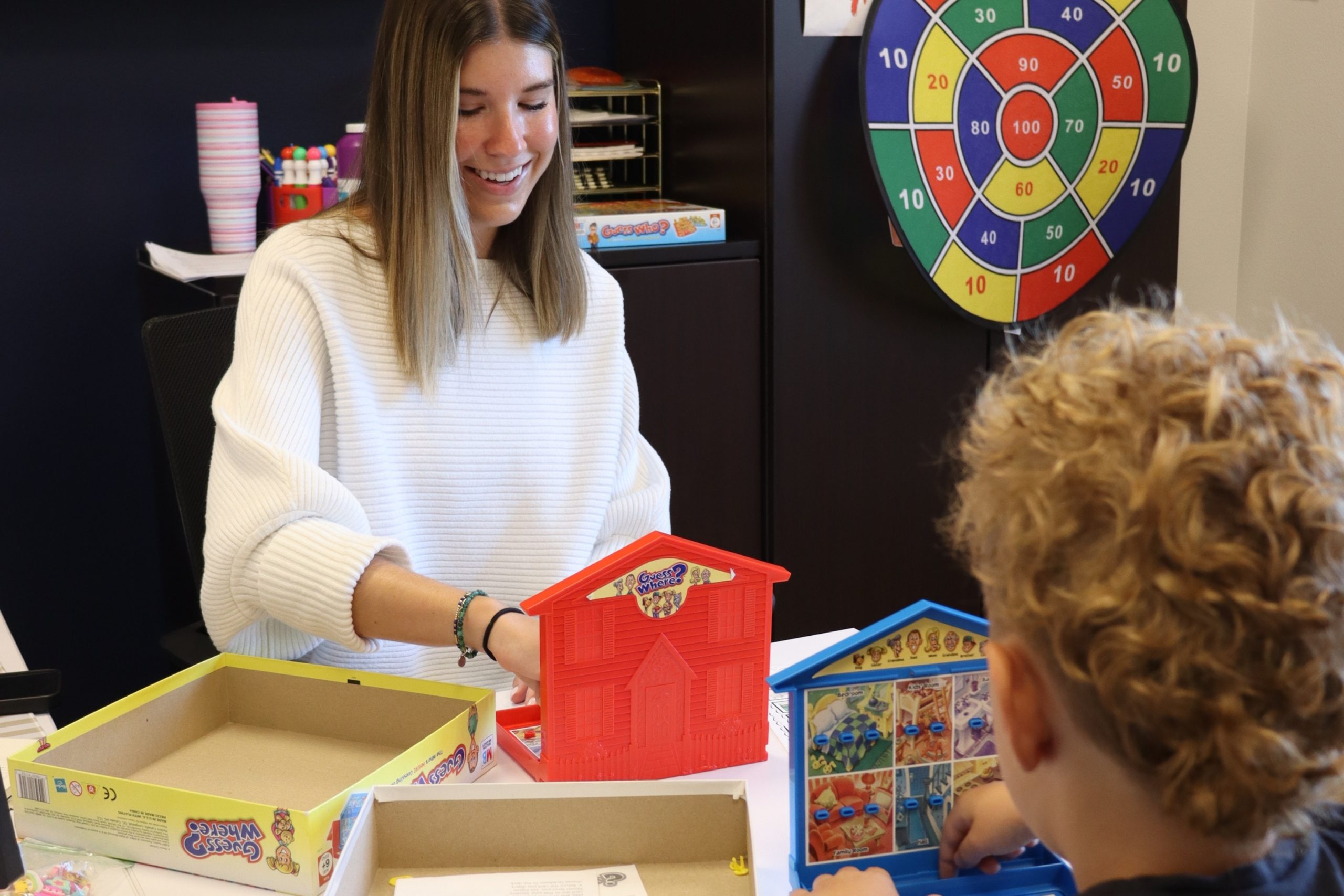
Family Game Night. Turn off the screens and bring out the board games. Playing together may look like all fun and games, but kids are practicing sorting, counting, reading directions, and listening skills the whole time, plus picking up cooperative play, sportsmanship, and conversational back-and-forth along the way.
Creative Building with Blocks. This simple activity has endless possibilities. It builds creativity, imagination, and fine motor skills, and it flexes to fit different ages. Older kids can sketch what they plan to build and write step-by-step directions for how to do it. Younger kids can practice counting, color, shape, and size by building with a set number of blocks.
Try a New Recipe. Cooking is exciting at any age, and it’s packed with learning opportunities. Kids can read a recipe and write a shopping list, add up ingredient prices at the store, practice counting bills and coins if paying with cash, and get hands-on measurement practice once cooking begins.
Simple Science Experiments. Kids love hands-on science, and even simple experiments with just a few materials can be a blast. Try comparing how far different paper airplane designs fly, building a sundial to predict and track the sun’s shadow, or making a windsock or kite. Science experiments build reading and direction-following skills, along with practice making predictions and testing hypotheses. Your local library or a quick internet search can offer plenty of easy experiment ideas.
Outdoor Time. There are so many benefits to outdoor play, and it’s easy to weave in a little learning too. Try a word hunt (hide sight word or vocabulary flashcards around the yard for your child to find and read), a treasure map (have your child hide a “treasure” and draw a map with pictures and written directions to find it), or an outdoor memory game (write matching pairs, like a shape and its name, or a number and its word, on large pieces of paper, spread them face-down, and take turns flipping two at a time to find a match).
When Should I Seek Extra Academic Support?
If your child has been consistently struggling with a specific skill during the school year, these everyday activities are a great supplement, but they may not be enough on their own to close a bigger gap. Our summer programs combine engaging activities with more targeted academic support, so your child heads into fall feeling confident and prepared.
Enjoy Your Summer
Have an enjoyable, relaxing summer, and squeeze in some extra learning while you’re at it! If you’d like to talk about our summer programs or your child’s academic progress, contact our team at ETLC.


0 Comments