


Written by: Sonia Strueby, M.A., CCC-SLP, Founder of Enrichment Therapy & Learning Center
Originally Published: May 25, 2017 | Updated: August 27, 2026
The key to a great summer is finding the right balance of free time and structure that works for your family. Summer break gives kids a well-earned rest from the school routine and a lot more open time. However, a little bit of everyday structure can go a long way. It helps keep the whole family happy, and it keeps “I’m bored” to a minimum. Here’s how to build a simple, flexible routine into your summer.
Why Does Summer Structure Matter?
Kids, like adults, tend to do better with some predictability in their day. For example, a loose daily framework helps kids know what to expect. It also cuts down on boredom-driven complaints, and it can make the transition back into the school routine each fall feel a little smoother. Still, structure doesn’t mean a packed schedule, it just means giving each day a familiar shape.
How Can I Build Structure Into Summer Days?
Start with a simple daily routine and a family calendar your kids can see, so they know what’s planned and what’s coming up. From there, aim for a daily balance across three categories:
Chores
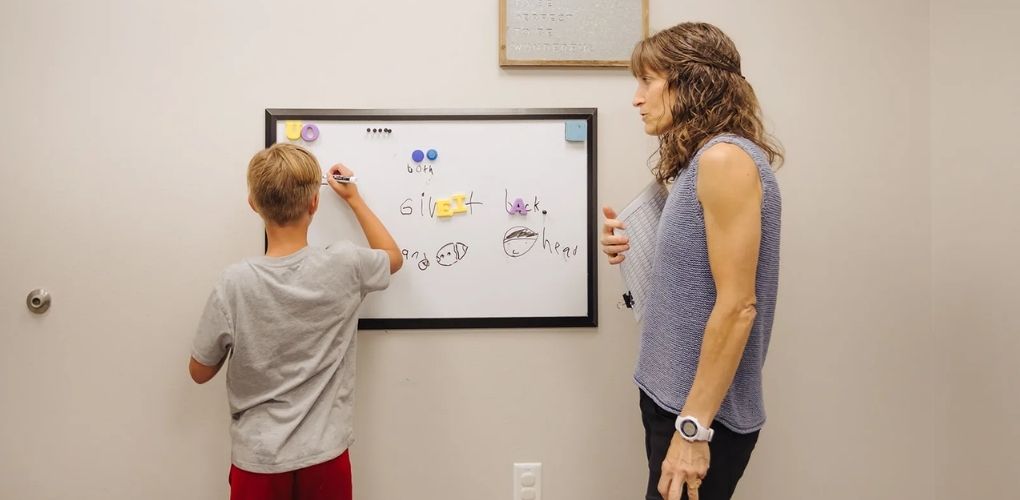
Keep a whiteboard or checklist of daily chores, and let your kids help create the list. Because they have a voice in what goes on it, the routine feels less like something imposed on them.
Exercise and Activity
Brainstorm a summer bucket list of active things your kids enjoy, and plan to check one off most days. For instance, go to the pool, take a walk, go on a bike ride, or see how many area parks you can visit over the summer. Overall, movement is a great, low-pressure way to structure part of the day.
Reading and Learning
Exercising the brain matters too. Visit your local library, try a logic puzzle, practice math facts, draw, or make music. The options here are nearly endless, and even 15-20 minutes a day of engaged reading or learning can help keep skills fresh heading into the new school year.
What If My Kid Resists Structure?
Keep it light and flexible. Since letting your kids help build the chore list, bucket list, or calendar gives them a sense of ownership, this tends to reduce pushback. Remember, the goal is a loose framework, not a rigid schedule. Overall, a little structure goes a long way without needing to fill every hour.
When Should I Seek Extra Support?
Perhaps you’re noticing your child has consistently struggled with reading, math, or other academic skills during the school year. If so, summer can be a great, lower-pressure time to build those skills back up before the next school year starts. Our Summer Programs for Academic Success combine engaging activities with targeted academic support, so your child heads into fall feeling confident rather than behind.
Make This Summer a Success
Give your kids a bit of structure to their days, paired with fun, engaging activities, and you’ll help them stay sharp and happy all summer long. Contact our team at ETLC to learn more about our specialties and how we can support your child.


0 Comments