


What is teletherapy, and will it work for my child? Families exploring speech-language therapy or academic support ask this question often. Enrichment Therapy & Learning Center offers teletherapy alongside our in-person services, so families have flexibility in how they access individualized programs.
What Is Teletherapy?
Teletherapy is therapy provided by a licensed and certified therapist through a secure video connection. Technology allows clinicians to connect with clients no matter the distance. At ETLC, we offer one-on-one speech therapy sessions for children of all ages. We also offer reading and math skill-building sessions for individuals or small groups.
How Do Online Therapy and Tutoring Sessions Work?
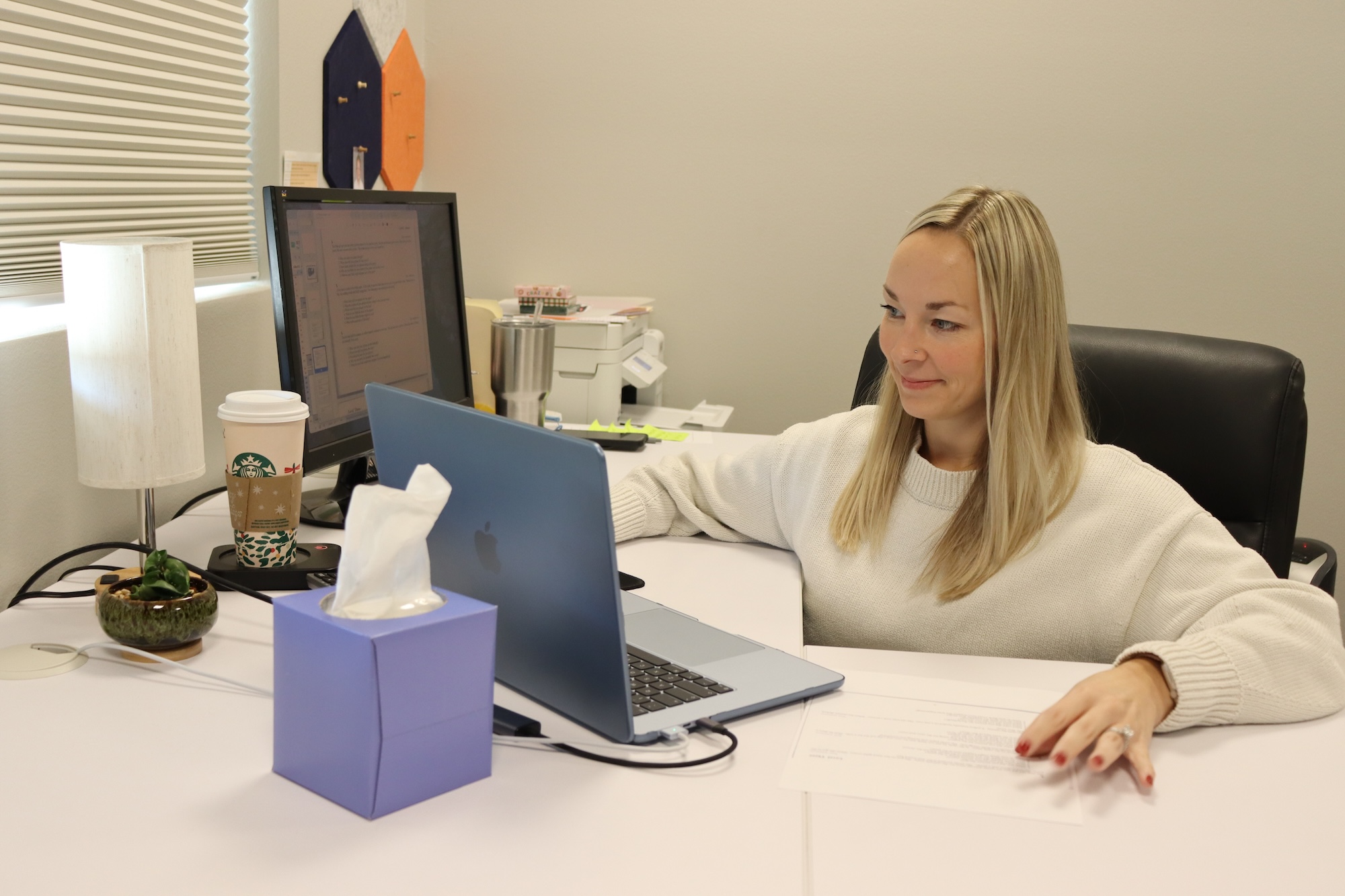
Before a tele-session, the speech-language pathologist or instructor sends the family a secure meeting link. At the scheduled time, both sides log on and meet in an online room, where the child and clinician can see each other and interact in real time. It can feel a lot like an in-person session.
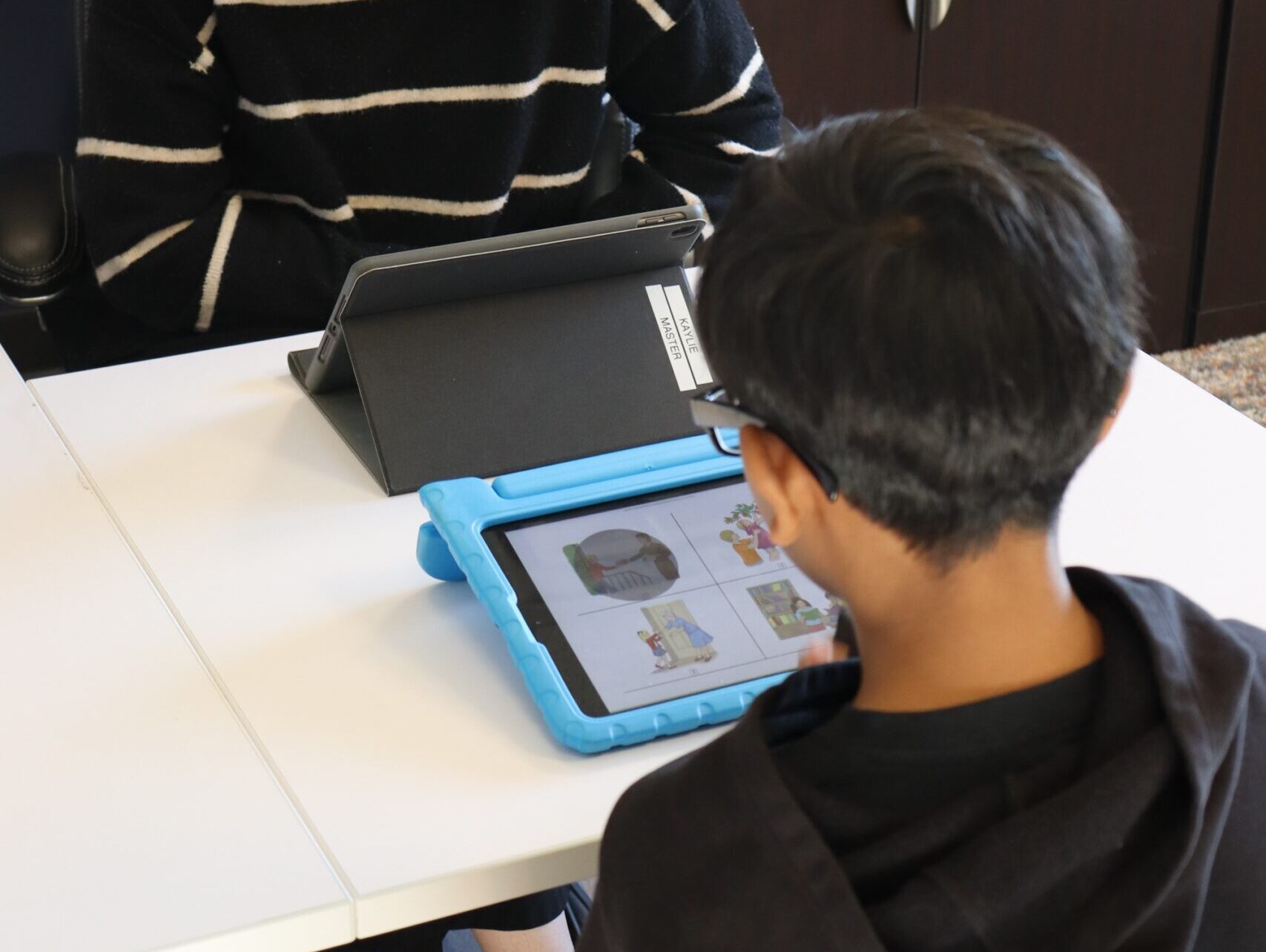
The clinician shares their screen so the child can see activities prepared just for them. These activities closely follow what happens in a face-to-face session, but they are presented through different software tools. Often, the child can control the activity directly using a touch screen or mouse.
Will Teletherapy Be a Good Fit for My Child?
Many kids do well with teletherapy, since using a device comes naturally to most children today. If a child can benefit from services in a clinic, they can often benefit from teletherapy too. Our providers use learning materials that feel like games, which helps keep children engaged.
We recommend that parents or caregivers stay close by to observe or even join in. Every child learns differently. Some children benefit from having someone sit with them, while others are independent and don’t need direct support. Very young children, kids who struggle to maintain attention, and children with special learning needs often do best with an adult nearby.
Teletherapy also creates a good chance for a parent coaching model. In this model, the therapist guides you on activities to try with your child at home.
Will My Child Continue to Make Progress?
Children who need speech-language therapy or academic support tend to benefit most from consistent access to services. If you believe your child needs extra support, it’s best not to wait. The American Speech-Language-Hearing Association (ASHA) recognizes telepractice as an appropriate way to deliver services, and it has done so for many years.
Common Myths About Teletherapy
When you think about speech therapy for your child, you may not picture it being virtual. You might wonder whether it works, whether your child will connect with the therapist, and whether your child can pay attention to a screen. These are good questions, so here are the truths behind some common myths.
Myth 1: Therapy Online Won’t Keep My Child’s Attention
It may seem like working on a computer would make it harder to keep a child’s attention. Often, the opposite is true, because many kids enjoy technology and find virtual therapy fun. However, teletherapy isn’t one-size-fits-all, and it won’t look the same for every child. If you have concerns, reach out to your child’s therapist to brainstorm next steps.
Myth 2: I’ll Have to Buy Expensive Equipment
Most of the technology you already have at home is what you need. You’ll need a computer or tablet with a webcam and microphone, plus a stable internet connection. It also helps to have headphones and a quiet room for your child.
Myth 3: Children Can’t Connect With a Therapist Virtually
A fun, upbeat, and positive learning environment matters just as much online as in person. Therapists can give feedback and positive reinforcement online just as easily, which helps your child connect with the specialist they work with.
Myth 4: Teletherapy Limits the Materials That Can Be Used
Materials for in-person and online sessions might look a little different, but most can be changed to work online. In fact, kids often enjoy seeing their favorite activities show up on the screen.
Myth 5: Teletherapy Adds Extra Screen Time to an Already Screen-Packed Day
Passive screen time, like watching videos, is different from a teletherapy session. A session involves engagement, communication, socialization, and hard work, which passive screen time doesn’t offer.
How Can I Set Up a Space for Online Sessions?
When a child comes into an SLP’s office, the therapist works to set expectations for learning, fun, and rules for speech. At home, there are things you can do to help.
- Headphones: Over-ear headphones can help children focus, because they block out noise from the house and improve sound quality, which can help with articulation and reading.
- Quiet room: A room away from the busy parts of the house makes it easier to focus. Smaller rooms without toys often work best, since large rooms offer many reasons to get up.
- Comfortable desk: A specific place to sit makes it more likely your child stays put. Doing a session on a bed or couch can make it tempting to lie down.
- Materials ready: Paper and pencils help some students. Others do well with a quiet item to hold, like putty or a stress ball. Having materials ready can save time redirecting your child in the session.
- Parent coaching: If you take part in coaching, keep materials out of reach until you are ready to play with them. This helps keep your child on the target task.
Your child’s video platform may also have helpful features, like online markers, highlighters, and stamps. Spend some time helping your child learn where to find them, and ask your child’s therapist if you’re unsure.
Frequently Asked Questions
Should I stay in the room during teletherapy?
It depends on your child. Younger children and children who have trouble with attention often do best with a parent nearby. Being present also lets you work with the therapist and learn activities to use at home.
What do we need for teletherapy sessions?
You’ll need a computer or tablet with a camera and microphone, plus a stable internet connection. A quiet space and headphones can also help.
Can we switch between teletherapy and in-person sessions?
Yes, in many cases. Talk with our team about what fits your family best.
How ETLC Can Help
If you’d like more information about starting teletherapy for your child, our team is happy to help you decide whether teletherapy, in-person sessions, or a mix of both is the right fit for your family. Enrichment Therapy & Learning Center has locations in Johnston and North Liberty, IA, with virtual services also available.
Learn more about speech-language therapy at ETLC or schedule a free consultation to talk with a member of our team.
You may also find these pages helpful:
About the Author
Sonia Strueby, M.A., CCC-SLP, is the founder of Enrichment Therapy & Learning Center. With over 25 years of experience as a speech-language pathologist, Sonia has dedicated her career to helping children overcome complex communication and academic challenges. She has advanced training and a special focus on treating dyslexia and childhood apraxia of speech, and she is passionate about providing families with a clear path to success.

0 Comments