


Family members play a key role in the success of speech and language intervention. Moms, dads, siblings, and caregivers are the true heroes for our students with speech and language needs. Family-centered care happens when families are at the forefront of the evaluation, goal-writing, and treatment process, not just along for the ride.
What Is Family-Centered Care at ETLC?
At Enrichment Therapy & Learning Center, family-centered care shows up in three ways. We put your priorities first, we adjust as your family changes, and we build real relationships with you.
1. We Prioritize Family Priorities
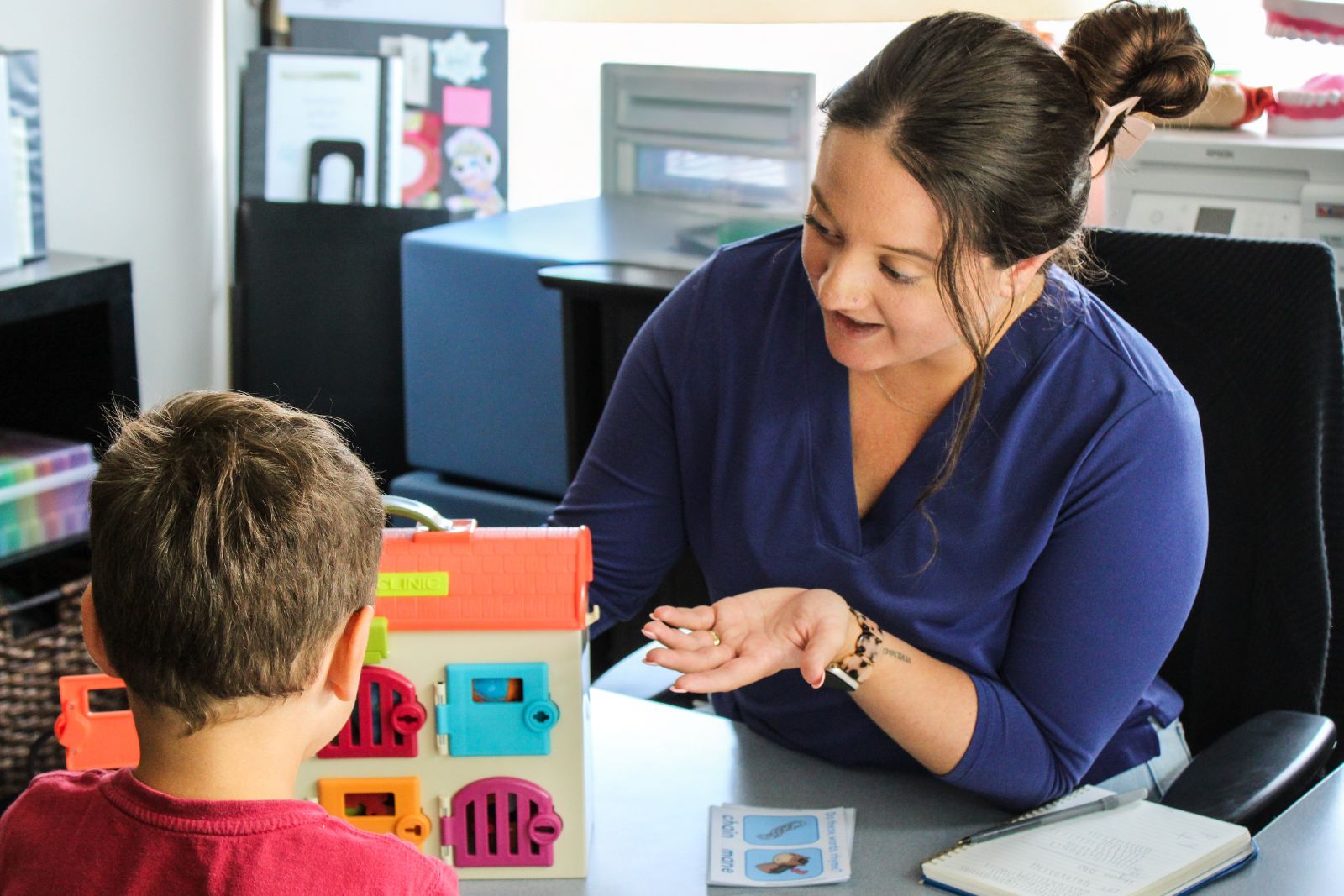
First, we pay careful attention to family priorities when planning what goals to target and how therapy will look. For example, if a student is working on articulation, we might recommend focusing on speech sounds they have not developed yet but should be using consistently at their age. However, if it is important to the family for their child to say the sounds in their siblings’ names correctly, their speech pathologist will find a way to include that goal.
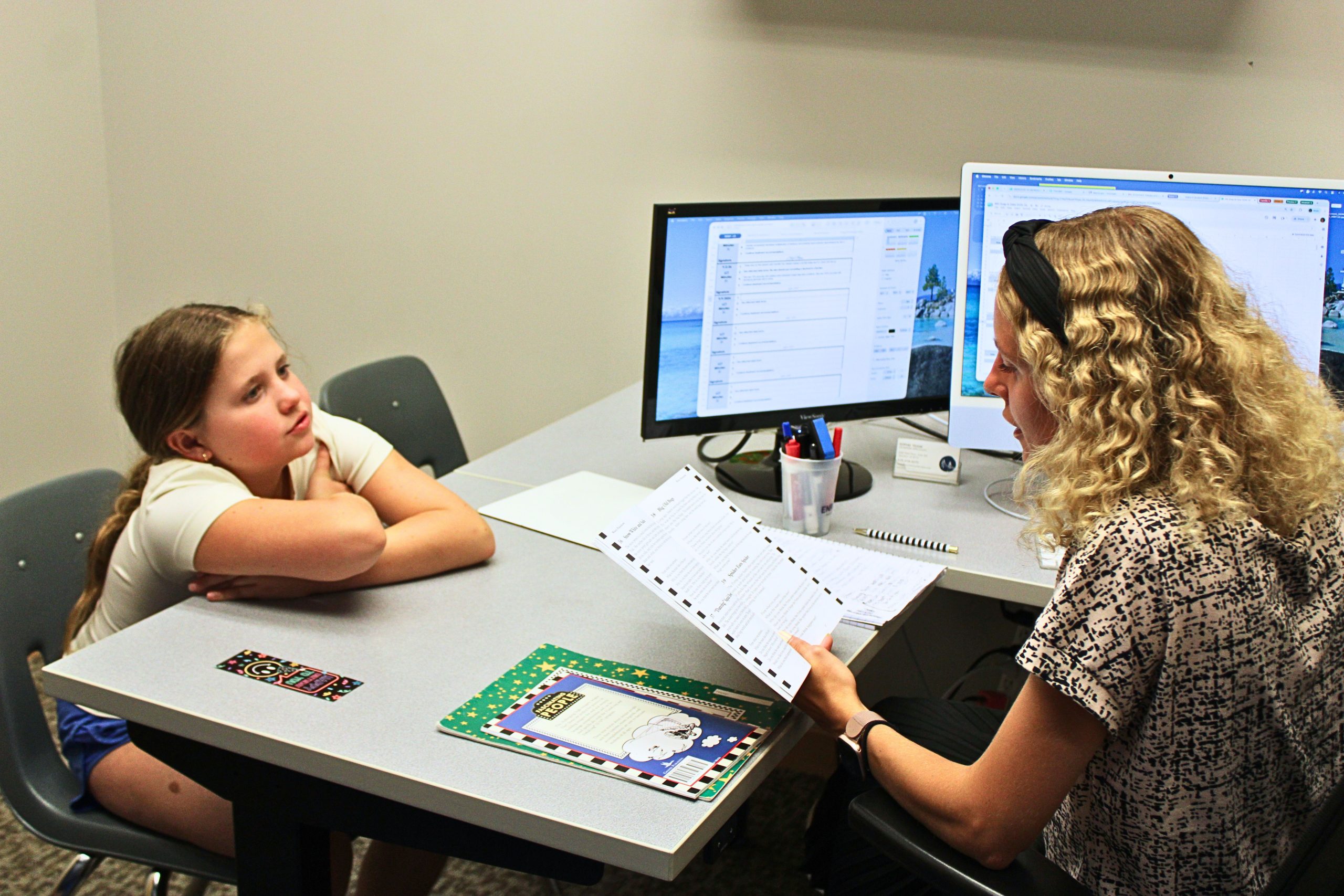
In another case, a student is working on articulation, but their family also has concerns about oral reading. In that case, we can find books or passages that contain their target sound, so they can practice both skills at the same time.
2. We Adapt as Families Change
In fact, families are dynamic, not static, and family needs change over time. How therapy looks might have to change along with them. Shifts in schedules, finances, family structure, life transitions, and more can all affect a family’s ability to take part in speech therapy.
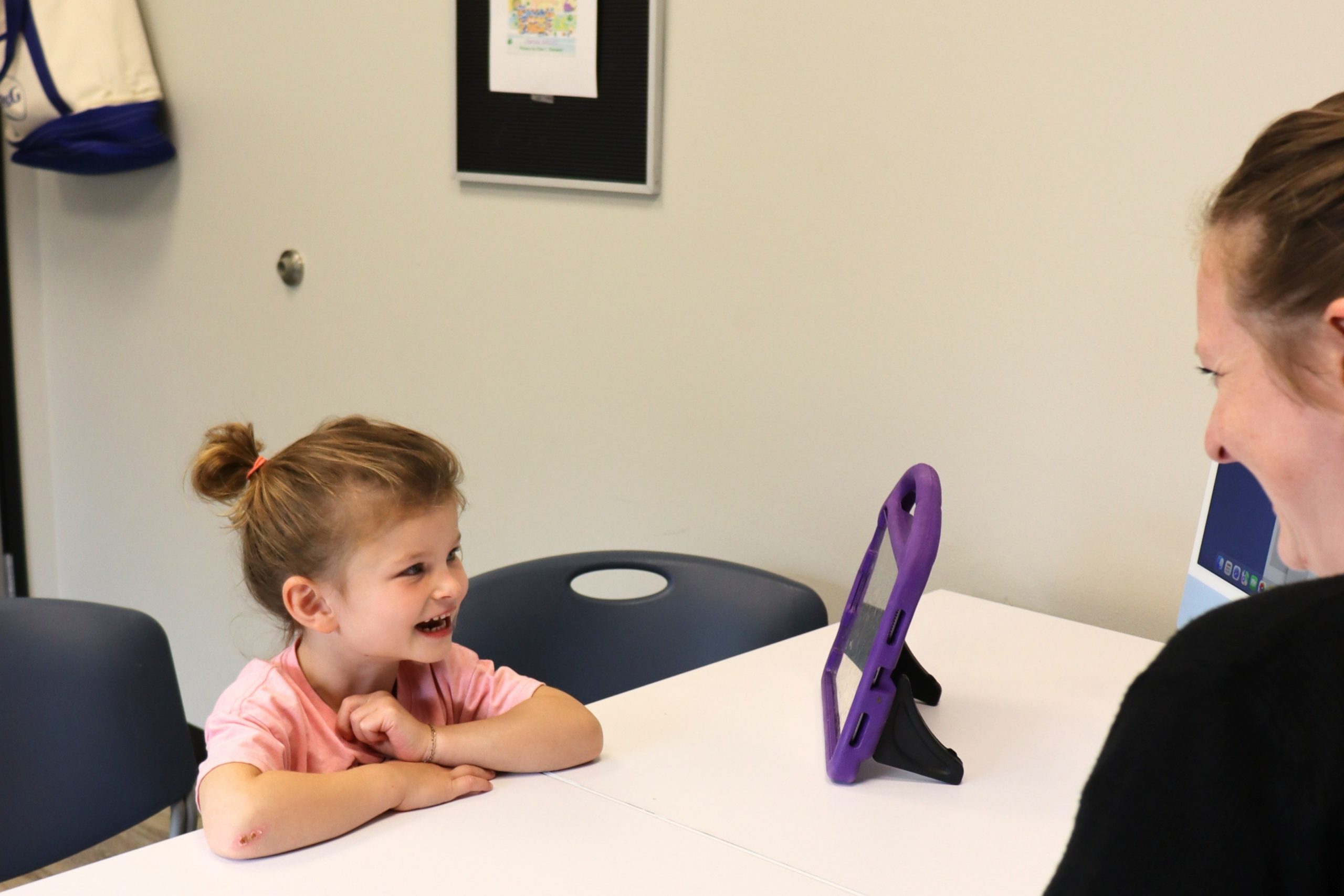
In one case, a family needs to switch a session from in-person to online because their student started a new sport and does not have time to get to the office before practice. As long as the student can attend to a floating face on the computer screen, we will make it work.
Similarly, a family whose student usually comes three times a week might not be able to keep that pace anymore because of another sibling’s needs. When that happens, we adjust the goals and intervention methods to fit the new session frequency.
3. We Build Real Rapport With Families
ETLC should feel like a community, and families should feel comfortable with our therapists and staff. To make that happen, we do our best to help families feel at home in many ways:
- Front desk staff who know each student’s name
- Pool parties to show appreciation for our students and families
- Support for kids as they make new friends in the waiting room
- Regular updates to parents on progress
- Celebrating student wins through our Student of the Month award
Frequently Asked Questions
What does family-centered care mean in speech therapy?
It means the family helps decide the goals, the schedule, and how therapy looks. The therapist plans around what matters most to your family, not only the test scores.
Can we change our schedule or switch to online sessions?
Yes. Whenever your family’s schedule or needs change, we adjust the session format, the frequency, and the goals so therapy still works for you.
How can I be involved in my child’s therapy?
Share your priorities, ask for ideas to practice at home, and talk with your child’s therapist about progress. As a result, your involvement helps skills carry over to daily life.
How ETLC Can Help
If you would like to learn more about our family-centered approach, our team is happy to talk. We have locations in Johnston and North Liberty, IA, with virtual services also available.
Learn more about speech and language services at ETLC or schedule a free consultation to talk with a member of our team.
You may also find these pages helpful:
- Evaluation Process at ETLC: What to Expect
- School Speech Services and Private Therapy Together
- Speech and Language Practice at Home
About the Author
Sonia Strueby, M.A., CCC-SLP, is the founder of Enrichment Therapy & Learning Center. With over 25 years of experience as a speech-language pathologist, Sonia has dedicated her career to helping children overcome complex communication and academic challenges. She has advanced training and a special focus on treating dyslexia and childhood apraxia of speech, and she is passionate about providing families with a clear path to success.

0 Comments