

Originally Published: September 26, 2023 | Updated: October 5, 2026
If you had asked me what a speech-language pathologist was at age 16, I wouldn’t have been able to give you a definition. In fact, I hadn’t even heard of the profession, much less known what they did. Only 14% of my own graduate school cohort were pursuing speech-language pathology as their second, or third, career.
Kids entering the workforce or college after high school are often expected to have a “plan” and launch straight into a lifelong career path. However, in a survey completed by YouScience, a staggering 41% of high school graduates felt unsure about choosing a career. My goal here is to walk you through how to become an SLP, a career path that’s somewhat niche among the options typically presented, yet surprisingly broad in scope.
What Is an “SLP” and What Do They Do?
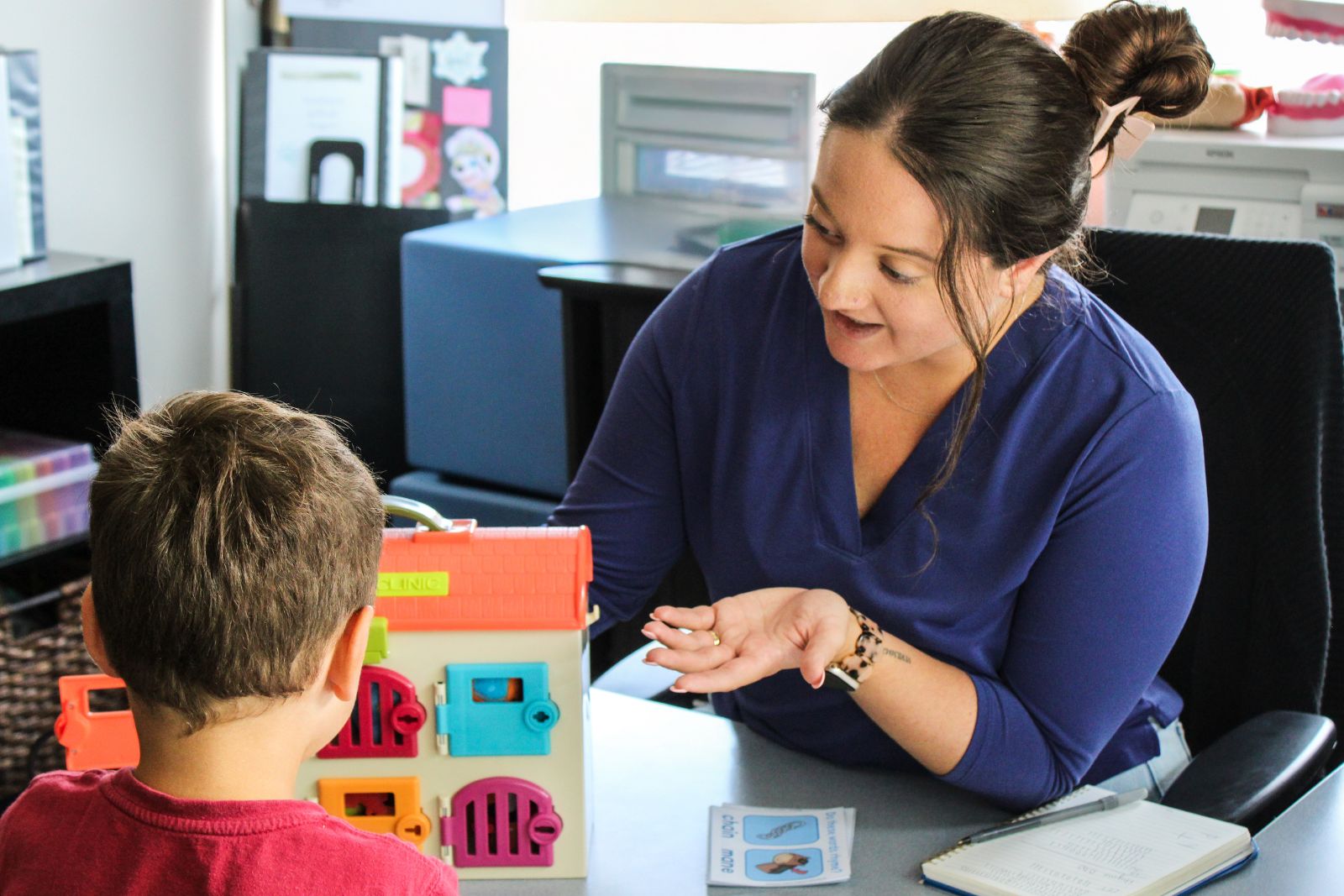
“SLP” stands for Speech-Language Pathologist. According to the American Speech-Language-Hearing Association (ASHA), these professionals work to prevent, assess, diagnose, and treat speech, language, social communication, cognitive-communication, and swallowing disorders in children and adults.
Essentially, a speech-language pathologist specializes in communication and swallowing disorders. This casts a wide net for what an SLP might encounter in their field. Communication disorders range from accurately producing speech sounds to helping someone who’s hard of hearing adjust to a cochlear implant. Swallowing disorders, meanwhile, typically stem from other medical complications, like head or neck cancer, strokes, or traumatic brain injuries.
The following list includes, but isn’t limited to, facets of speech-language pathology:
- Speech sound disorders
- Stuttering
- Swallowing (dysphagia, oral-motor concerns, feeding)
- Cognitive-communication disorders (dementia, aphasia, stroke, mild cognitive impairment)
- Voice disorders
- Head/neck cancer
Where Do SLPs Work?
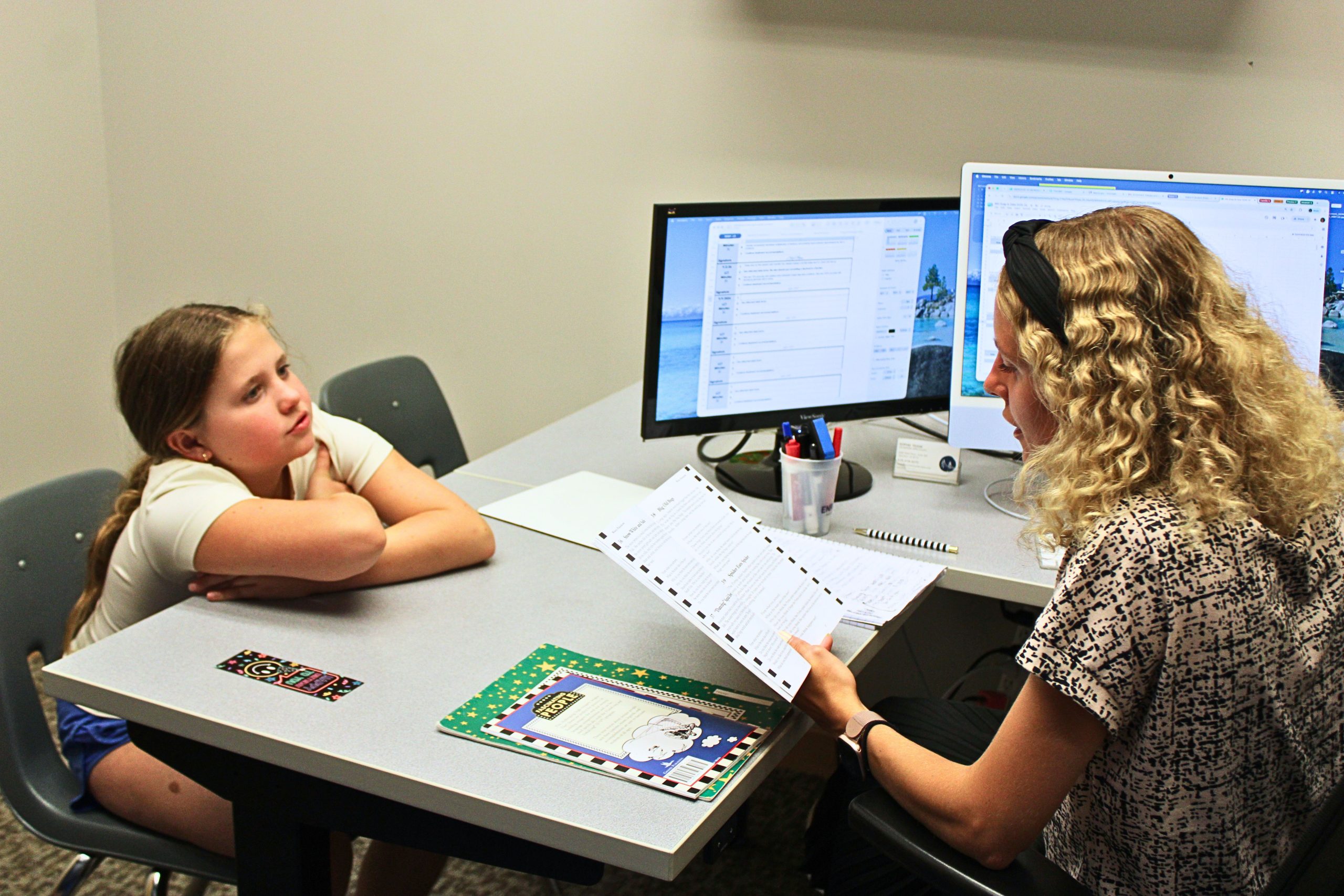
Since the scope of practice for an SLP is broad, so are the settings where they work. SLPs work with people across the entire age span, from newborns to age 99 and beyond, so you’ll find them nearly everywhere, including:
- Schools and colleges
- Early intervention clinics
- Private clinics
- Hospitals
- Nursing homes
- Rehabilitation centers
How Do I Become an SLP?
Academically, the pathway to becoming a speech-language pathologist requires six years of schooling. Here’s how those steps break down:
- Earn a bachelor’s degree (this can be in communication sciences and disorders, or a different major, as long as you complete the prerequisites for a graduate program)
- Earn a master’s degree in speech-language pathology
- Obtain temporary licensure to complete a fellowship under a supervising SLP
- Complete a 36-week clinical fellowship
- Obtain certification from ASHA to earn your CCCs (Certificate of Clinical Competence)
- Complete continuing education units, or CEUs, every three years to maintain licensure and certification
Why Should I Become an SLP?
Did you know that SLPs are in high demand across the country? According to the U.S. Bureau of Labor Statistics, employment of speech-language pathologists is projected to grow 15% from 2024 to 2034, much faster than the average for all occupations. Rather than explaining all the benefits of being an SLP from my own experience, I thought: what better way to give you a well-rounded picture of the profession than asking my colleagues?



0 Comments