

Originally Published: December 5, 2022 | Updated: September 1, 2026
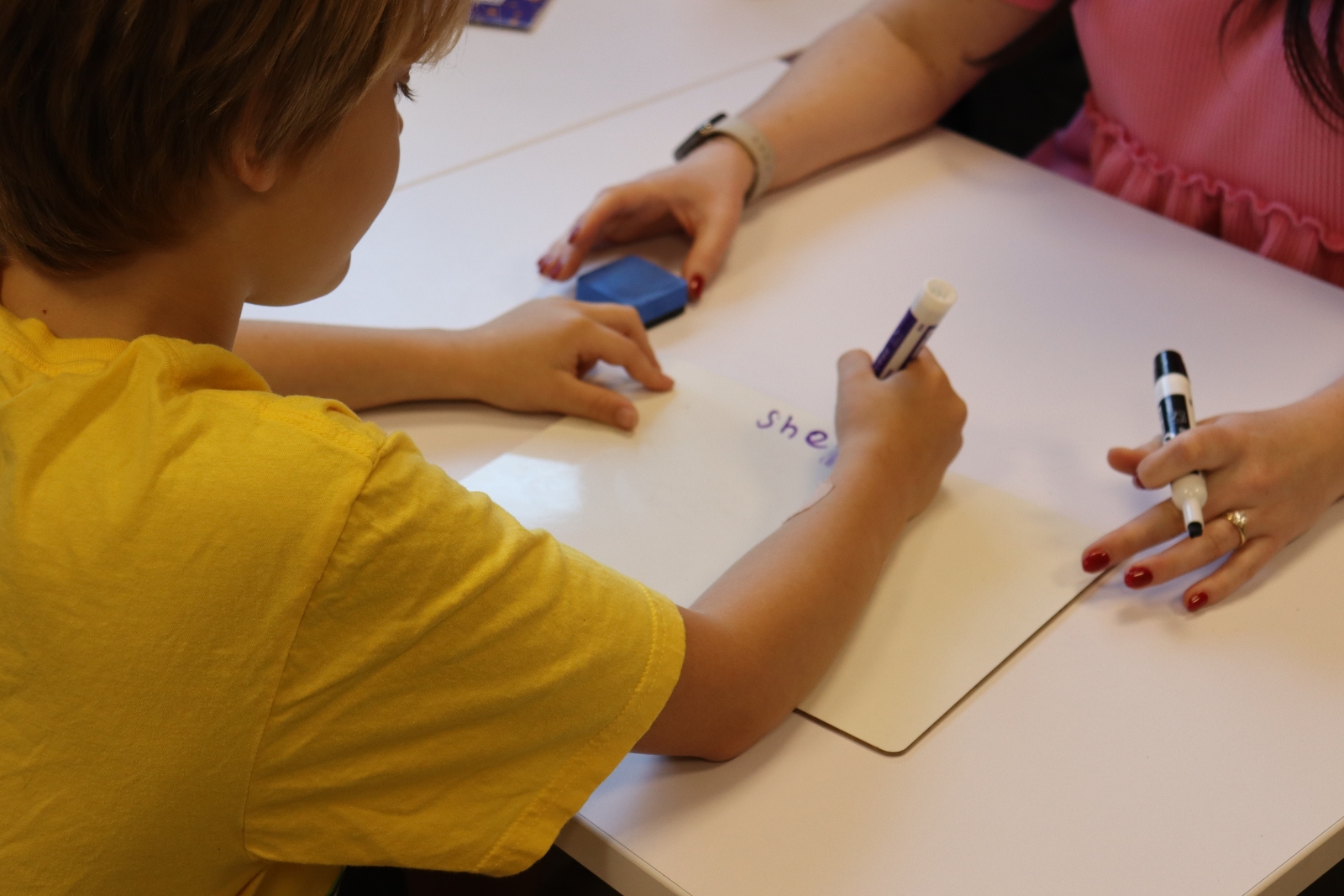
Writing assignments become increasingly difficult when students have learning differences. Understanding why writing is hard for kids often starts with executive function skills, which students with learning differences are especially likely to struggle with. Everyone struggles with executive functioning from time to time, though, it’s part of our busy culture.
The Center on the Developing Child at Harvard University defines executive function and self-regulation skills as the mental processes that enable us to plan, focus attention, remember instructions, and juggle multiple tasks successfully. In practice, these are exactly the skills required for writing tasks. Students have to plan out their answers, focus their attention on the directions and completing the task, hold information in their heads while writing, and juggle multiple demands at once, like neatness, correct spelling, grammar, sentence structure, and editing.
For a struggling student, that’s simply too much, and it can cause them to get stuck, shut down, or avoid the task altogether. After all, who likes doing hard things?
What Can You Do to Help Your Child With Their Writing Assignments?
The best way to help your child with writing assignments is to break the task down into smaller chunks. For example, if your child comes home with a reading and writing assignment that requires reading a text and answering questions, it may seem simple, but it can feel overwhelming to some kids. When tasks feel overwhelming, we often can’t process or even start the most important executive function skill: planning. Here’s an example of how to break a task down into smaller pieces.
Example Task: Read Chapter 3, pages 40–55 in a chapter book, then answer ten questions using complete answers, due at the end of the week.
Day 1
- Read the directions and questions before reading the text. What questions does your child have about the assignment? Make sure to ask the teacher for any clarification.
- Read pages 40–45, then tell a family member what happened or record yourself.
- Read pages 46–50, then tell a family member what happened or record yourself.
- Read pages 51–55, then tell a family member what happened or record yourself.
Day 2
- Answer questions 1–5.
Helpful support: If your child struggles to put thoughts down on paper, have them record their answer first (using a phone or iPad), so they can replay parts of their response as they write.
Day 3
- Answer questions 6–10.
Helpful support: Use a speech-to-text feature. This is free and available on Google Docs.
Day 4
- Editing: check that all answers are correct and complete, check for spelling, and look for any other missing work. It’s extremely important that students with learning differences have enough time to check their work and ask further questions if they need additional support.
Day 5
- Turn in the assignment and feel confident!
We’re Here to Help
If you have questions about your child’s writing skills or executive function skills, please give us a call. One of our trained specialists can provide more information and set up an evaluation in the area of your concern.


0 Comments