

One of the most valuable life skills kids can learn is being independent and self-sufficient in everyday situations, and ordering food at a restaurant is a great place to start. When children order for themselves, they build kids’ confidence at restaurants and beyond, along with critical social and communication skills.
5 Ways Ordering for Themselves Builds Confidence
1. Boosting Confidence and Independence
When kids take the initiative to place their orders, they feel more confident in their ability to navigate the world. Whether they are ordering a meal or asking a server for a specific item, they learn to trust their own judgment. These small acts of independence can have a big impact on self-esteem and on how they approach other challenges.
2. Improving Communication Skills
Ordering food takes clear communication. Kids express their wants, ask questions, and sometimes make decisions on the spot. These interactions help them speak confidently, ask for help when needed, and share their needs with others.
3. Learning Social Etiquette
Dining out is a social experience, and treating servers respectfully is part of good manners. Kids who order for themselves use polite words like “please” and “thank you,” wait their turn in a conversation, and handle simple interactions like acknowledging a greeting or thanking someone for their service.
4. Taking Responsibility for Choices
When kids place their own orders, they own their decisions. They might order something new or choose between several options. If they do not like it, they learn to handle it gracefully by asking for a change or learning from the experience for next time. This builds accountability and helps them understand the results of their choices.
5. Building Problem-Solving Skills
Sometimes things do not go as planned. The restaurant may be out of what they ordered, or the food may have a mistake. In these moments, kids practice solving problems by talking with the server, finding solutions, and staying calm. This builds resilience and teaches them to handle challenges constructively.
Tips to Get Started
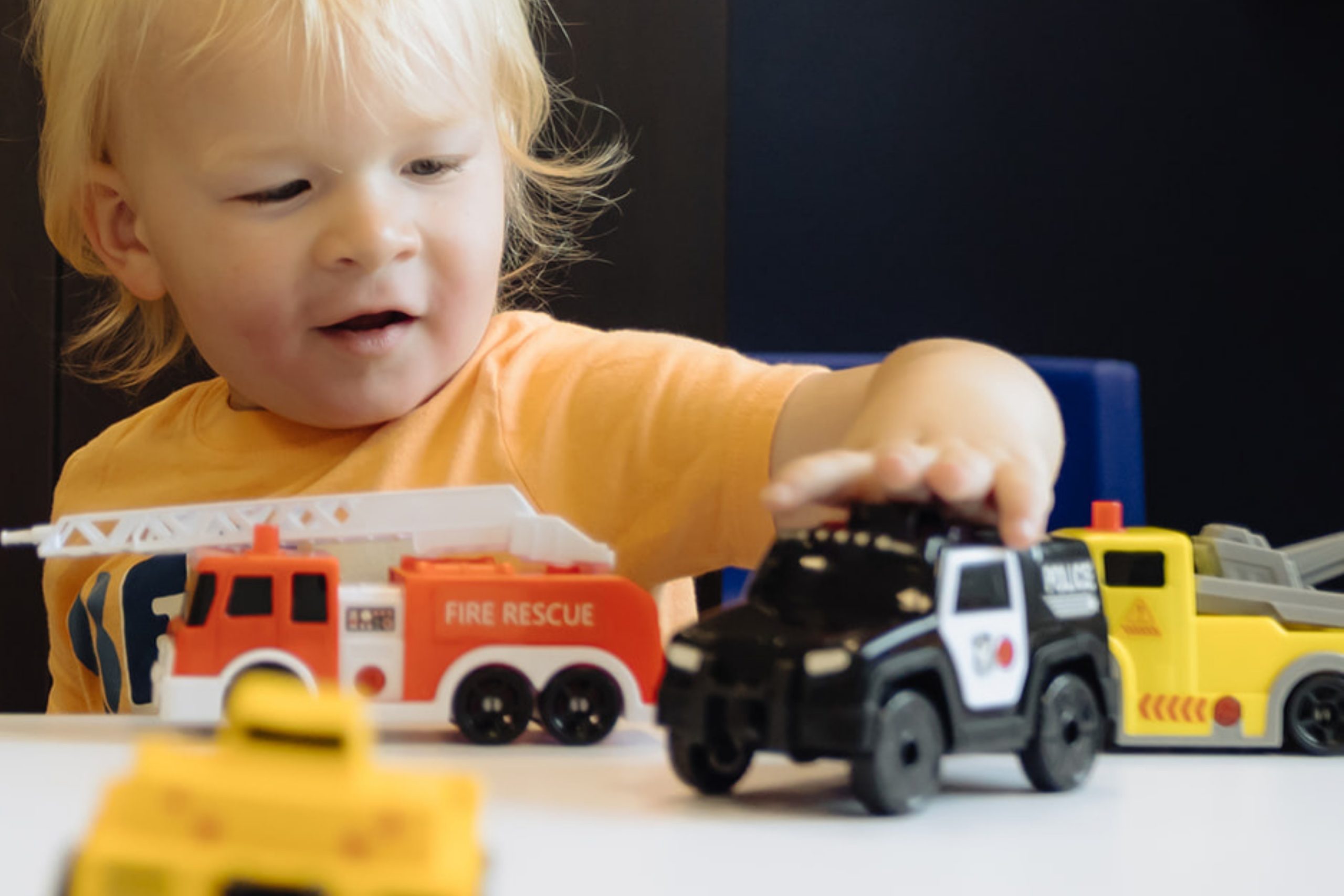
Before you go, practice what your child will say, such as “Can I have the chicken nuggets, please?” You can role-play with toys at home. At the restaurant, let your child look at the menu first and decide, and then give them time to speak without jumping in. If they get stuck, offer a gentle prompt instead of ordering for them.
Frequently Asked Questions
What age can kids start ordering for themselves?
Many children can start as soon as they can say what they want, often around age 3 or 4 with a little help. Adjust the amount of support to your child, and celebrate attempts.
What if my child is too shy or nervous to order?
Practice at home first, and start with simple choices. You can also have them order one item while you order the rest. If shyness gets in the way of daily communication, see our guide to solving social conflicts or social skills activities.
What if my child’s speech is hard to understand?
Give servers a quick heads-up, and let your child try first. If you are concerned about how clearly your child speaks, a speech-language pathologist can help.
How ETLC Can Help
By letting kids order their own meals, parents set them up for greater independence and prepare them for real-world social situations. If your child needs extra support with communication or confidence, Enrichment Therapy & Learning Center has locations in Johnston and North Liberty, IA, with virtual services also available.
Learn more about social skills support at ETLC or schedule a free consultation to talk with a member of our team.
You may also find these pages helpful:
- 5 Ways to Boost Your Child’s Confidence
- Social Skills Activities for Kids
- How to Solve Social Conflicts
About the Author
Sonia Strueby, M.A., CCC-SLP, is the founder of Enrichment Therapy & Learning Center. With over 25 years of experience as a speech-language pathologist, Sonia has dedicated her career to helping children overcome complex communication and academic challenges. She has advanced training and a special focus on treating dyslexia and childhood apraxia of speech, and she is passionate about providing families with a clear path to success.

0 Comments