


Executive functioning skills are essential for a child’s ability to plan, organize, and finish tasks. They affect how well a child studies, manages time, and retains information. If your child struggles with studying, these executive functioning study strategies can help. Each one is simple enough to start this week.
Executive Functioning Study Strategies for Routines and Goals
Build a Study Routine
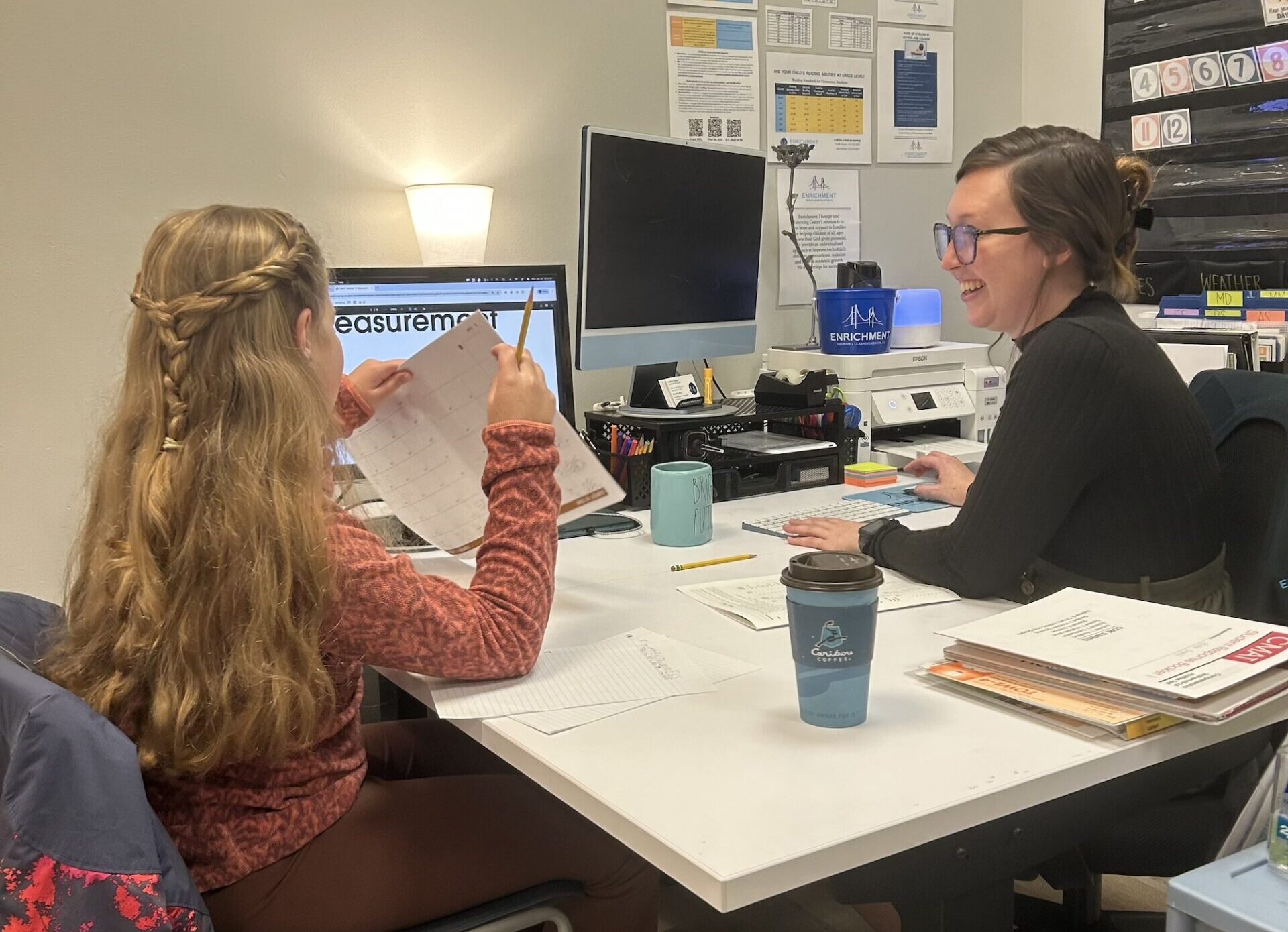
First, a consistent routine helps children build a habit of learning. Set a dedicated time and place each day to improve focus and time management.
Use Visual Schedules and Checklists
When a visual schedule breaks tasks into manageable steps, children stay organized. Checklists give a sense of accomplishment and guide children through assignments.
Set Clear Goals
Also, help your child set specific goals for each study session. For example, instead of “study math,” try “complete ten practice problems and review notes for 15 minutes.”
Strategies for Focus and Learning
Take Structured Breaks With the Pomodoro Technique
The Pomodoro Technique is a time management method. It uses short bursts of focused work, about 25 minutes, followed by short breaks of about 5 minutes. This pattern may help attention and prevent burnout.
Learn Through Many Senses
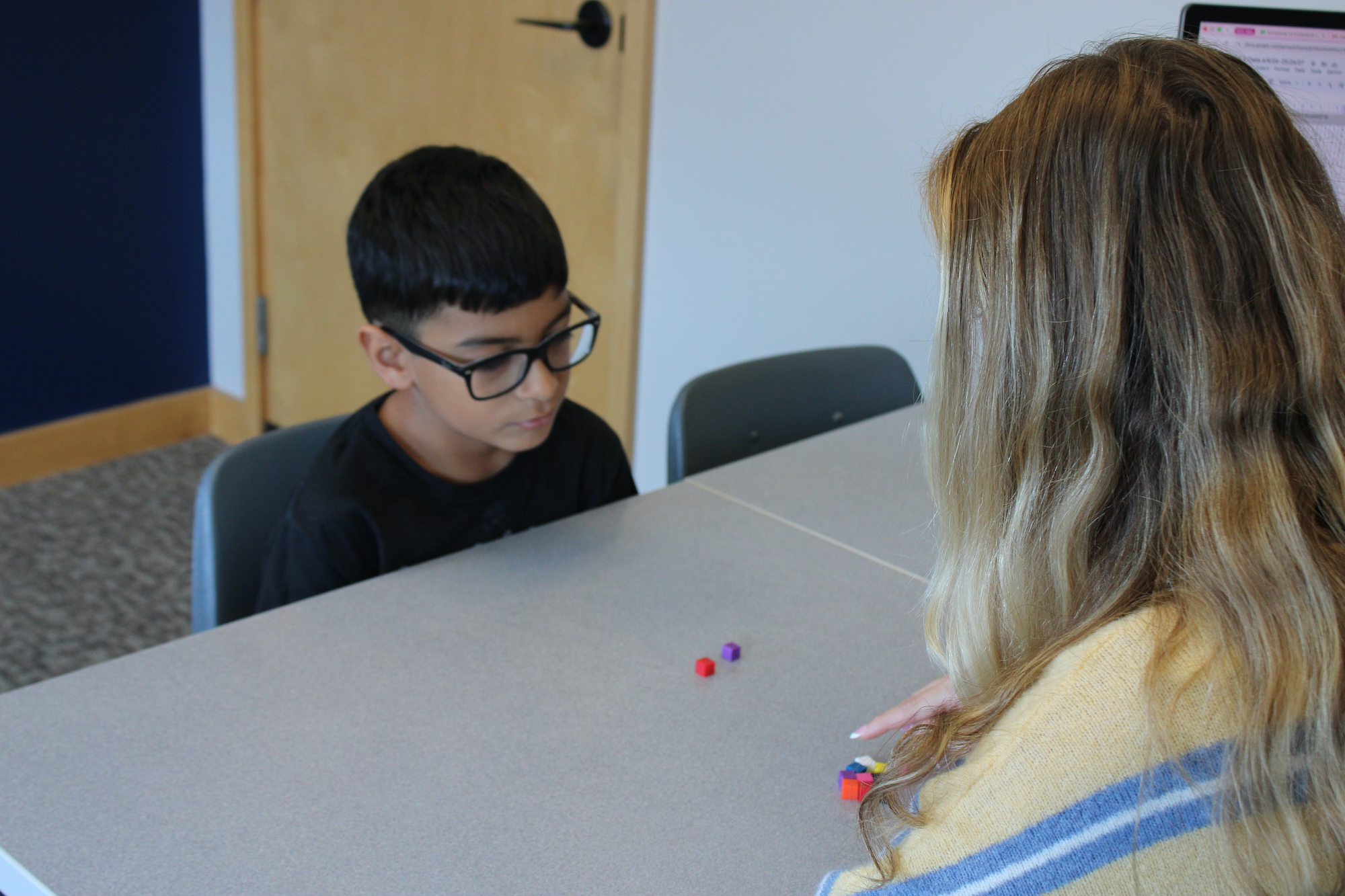
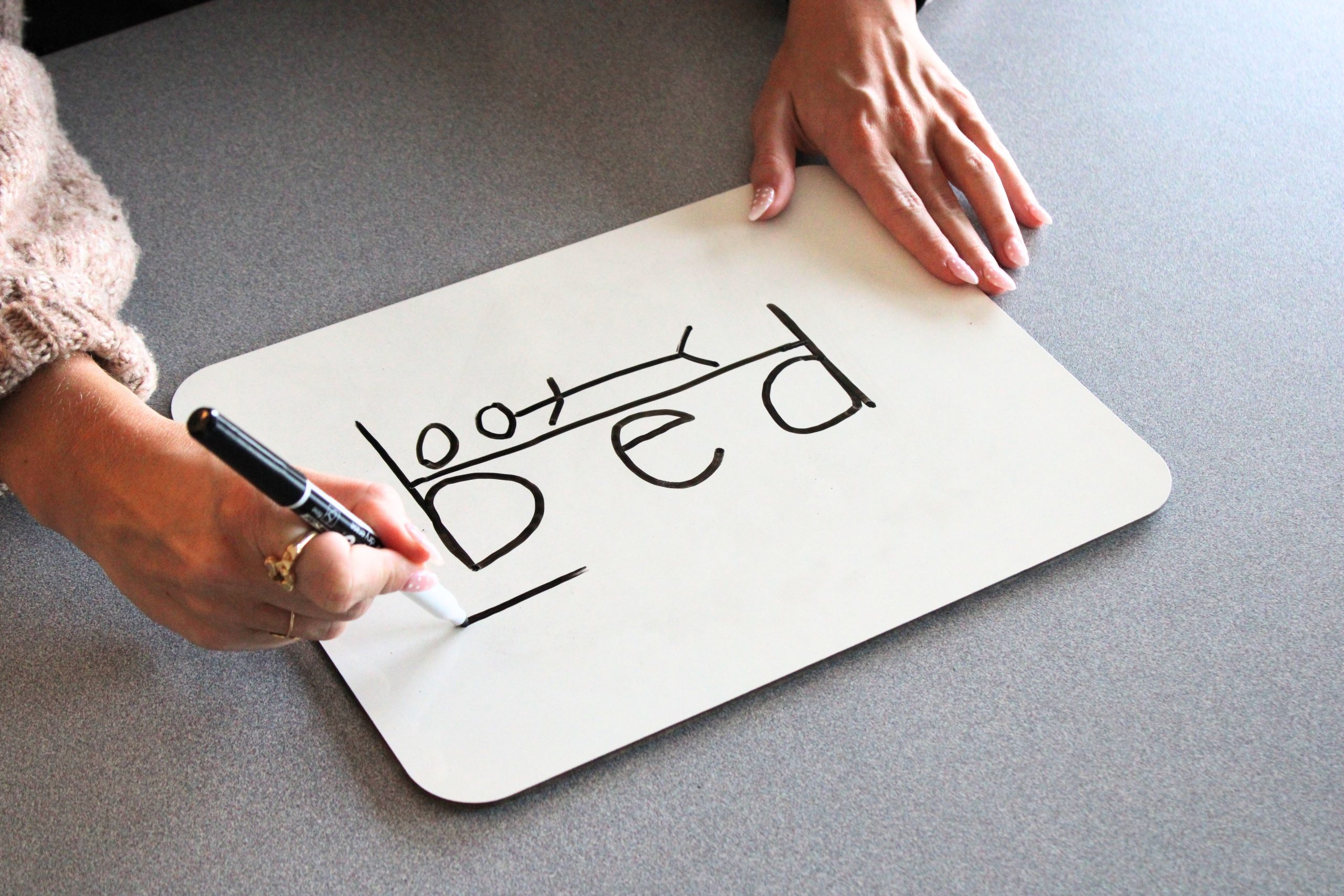
For instance, use different senses to reinforce concepts, such as reading aloud, using flashcards, drawing diagrams, or doing hands-on activities. Our post on multisensory learning has more ideas.
Teach Prioritization
For example, model color coding, numbering, or graphic organizers to help your child decide what to do first.
Encourage Self-Reflection
Then ask questions such as, “What worked well in your study session?” and “What could you do differently next time?” This builds self-awareness and problem-solving skills.
Frequently Asked Questions
What are the best executive functioning study strategies?
A steady routine, visual schedules, clear goals, and short breaks help most children. In addition, self-reflection helps them learn what works.
How long should my child study at one time?
Many children do well with about 25 minutes of focus followed by a 5 minute break. However, younger children may need shorter blocks.
When should I get help with study skills?
If your child struggles to plan, organize, or finish work even with routines in place, an executive functioning evaluation can help.
How ETLC Can Help
If you are wondering how to get your child the executive functioning support they need, contact us. Our offices are in Johnston and North Liberty. Enrichment Therapy & Learning Center has locations in Johnston and North Liberty, IA, with virtual services also available.
Learn more about executive functioning support at ETLC or schedule a free consultation to talk with a member of our team.
You may also find these pages helpful:
About the Author
Sonia Strueby, M.A., CCC-SLP, is the founder of Enrichment Therapy & Learning Center. With over 25 years of experience as a speech-language pathologist, Sonia has dedicated her career to helping children overcome complex communication and academic challenges. She has advanced training and a special focus on treating dyslexia and childhood apraxia of speech, and she is passionate about providing families with a clear path to success.

0 Comments