

Receiving a dyslexia diagnosis can feel overwhelming, but it doesn’t have to be. This diagnosis, while challenging, can give you a lot of answers. If your child was just diagnosed with dyslexia, you may be wondering what comes next.
You’ve already taken a huge step. Many parents and children lose valuable time waiting to see if a child’s reading difficulties “go away” with a new teacher, new school, or simply more time. Getting to the root cause of reading difficulties is essential, and a diagnosis means that step is complete.
Here are some suggestions as you navigate what’s next, from choosing the right reading support to accommodations, confidence, and everyday routines.
Provide Your Child With Proper Support
One of the key next steps is making sure your child has the right support to learn to read. Talk with your child’s teacher to understand what kind of reading support your child receives at school. When evaluating a reading intervention, look for these essential factors:
Phonemic Awareness and Phonics
First, instruction should focus explicitly and systematically on phonemic awareness and phonics. Next, concepts should follow a clear sequence, building on skills your child has already mastered.
Strategies for Unknown Words
Second, your child should be taught real strategies for reading unknown words. A major red flag of an ineffective program is having a child guess a word based only on context or picture clues. Children should instead look at the letters in a word and blend the sounds together. They can also learn to read longer words using syllable division strategies, and to read words that don’t follow standard phonics rules and patterns.
Reading Connected Text
Reading connected text while learning phonemic awareness and phonics skills is essential. Decodable texts, passages containing words with letter-sound patterns your child has already mastered, are the best form of connected text for this stage. Because they build confidence, they let your child apply their knowledge of letter-sound relationships, and show them that they really can read.
Complete Reading Programs
Complete reading programs incorporate phonemic awareness, phonics, fluency, vocabulary, and comprehension. A child with dyslexia typically needs more intense instruction in phonemic awareness, phonics, and fluency, but vocabulary and comprehension shouldn’t be ignored either. After all, what’s the point of reading if not for comprehension?
Orton-Gillingham Based Instruction
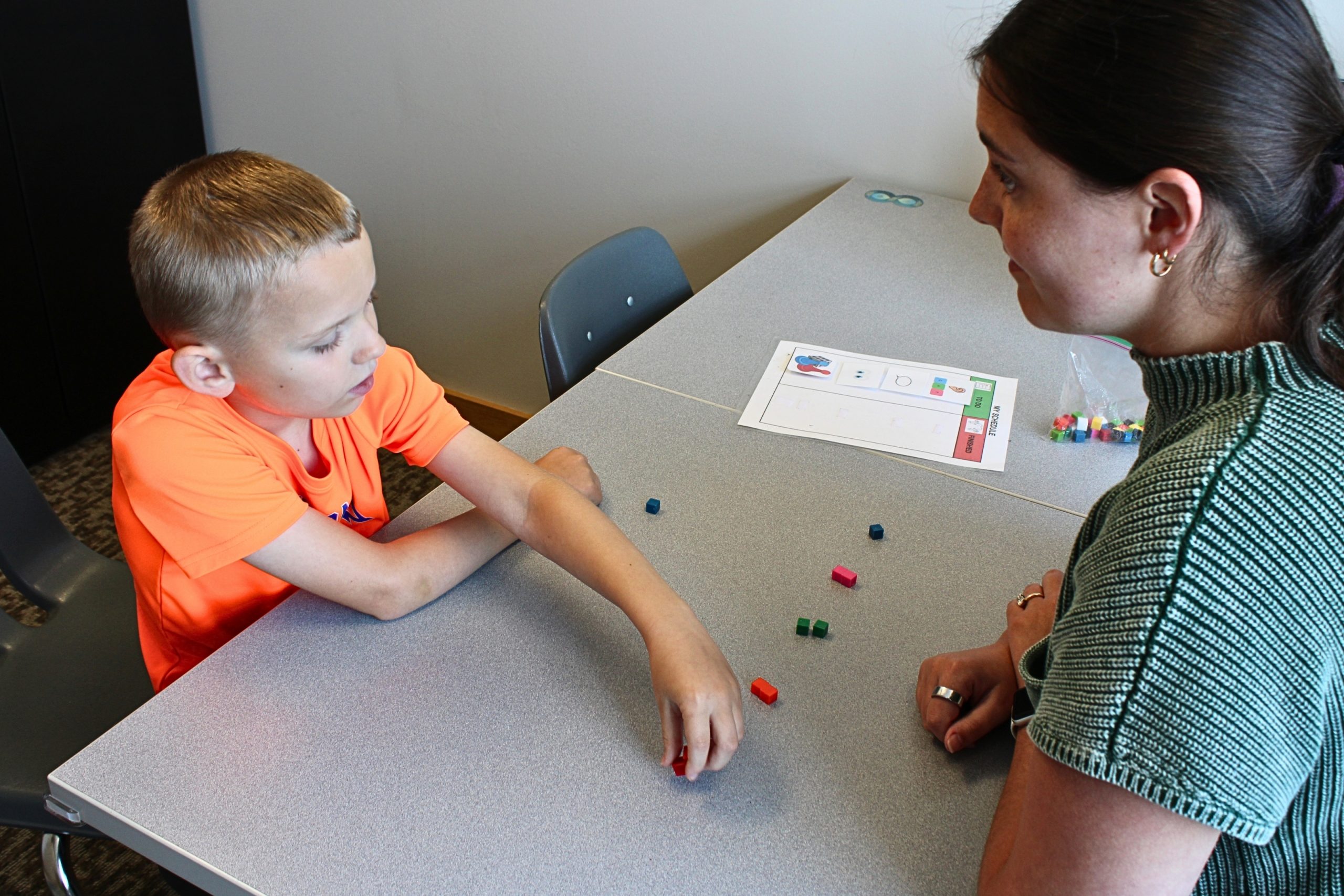
At ETLC, we use Orton-Gillingham (OG) based instruction, which systematically and explicitly teaches phonemic awareness and phonics through a multisensory approach. Research supports structured literacy programs like this one, so it is the foundation of our approach. We also build in opportunities to develop reading fluency and comprehension, expand vocabulary, and write and listen to stories. Finally, every treatment plan is individualized, with continuous feedback and guidance along the way.
If your child hasn’t had a full evaluation yet, we can help with that too. Then our evaluation process leads to recommendations and a diagnosis based on your child’s results.
Communicate With Your Child About the Diagnosis
While making sure your child is set up with the right reading instruction, take time to talk with them about the diagnosis too.
- First, tell your child that the reason for their reading difficulties is called dyslexia.
- Share that dyslexia is a common challenge people have with reading, and talk about the “sea of strengths” perspective, the idea that dyslexia is one small piece of a much bigger picture of who they are.
- Explain that this reading difficulty comes from having a hard time pulling apart the sounds of words, confusing words that sound alike, reading aloud, spelling, and pronouncing words.
- Reassure your child that this is a common experience. There are likely other students in their class who also have dyslexia, and with the right help they can keep growing as readers.
- Share that many successful, well-known people are said to have had dyslexia, including Walt Disney, Albert Einstein, Pablo Picasso, Cher, and Anderson Cooper, among many others.
You may also want to read some books together that feature main characters with dyslexia. Here are a few we recommend:
- Cartwheels by Tracy S. Peterson
- Finding My Superpower by Sarah Prestidge
- Magnificent Meg by Andra Harris
- Fish in a Tree by Lynda Mullaly Hunt
Consider Accommodations That Would Help Your Child
First, report your child’s diagnosis to their school so supports can be written into a formal plan. Without that documentation, schools may not be able to provide what your child needs, so don’t skip this step. Accommodations could include, but aren’t limited to:
- Changes in expectations or adjusted written directions
- Modified spelling lists and homework
- Note-taking aids and extra time for assessments
- Typed instead of written assignments, oral instead of written reports, audiobooks, or dictation software
When note-taking demands grow in middle school and beyond, assistive technology can make a big difference. See our guide to assistive technology for dyslexia for note-taking tools worth trying, and our parent’s guide to school accommodations for more on what to ask for.
Build Confidence by Focusing on What Your Child Does Well
Use a growth mindset when you talk about challenging skills, especially reading. Visit Mindset Works for more on promoting a growth mindset, or read our own guide to growth mindset for kids.
Set Up Support at School and at Home
Support works best when everyone is on the same page. If everyone follows these four steps, your child gets consistent support:
- Connect with your child’s providers. Build relationships with their teachers and other school staff, including the principal and counselor, and keep communication frequent so everyone stays aligned.
- Create an afterschool and homework routine. Include recovery time, and choose a homework space that helps your child succeed. One child may work best standing at the table with music, while another does better at a quiet desk. Either way, stay active, supportive, and positive while you work together.
- Look into online subscriptions. If you want assistive tools close at hand, services like Learning Ally (audiobooks), Grammarly, and ChatGPT can help.
- Embrace your child’s passions. Learning is a high priority, but always make time for fun. It’s all about balance.
Educate Yourself
Once you learn more about dyslexia, you will understand the diagnosis better and gain insight into what your child experiences every day. These websites are a good place to start:
- Understood.org
- Decoding Dyslexia Iowa
- International Dyslexia Association
- Lindamood-Bell Instruction for Reading and Comprehension
Our free ebook, Diving Into Dyslexia: A Parent’s Guide, is another helpful resource, and you can download it from our dyslexia page by filling out a short form. For a quick listen, the podcast Dyslexia Journey: Support Your Kid has an episode called “10 Tips for a Great New School Year” that runs about 20 minutes. If you’d like to dig deeper into what a dyslexia diagnosis means, consider these books:
- Overcoming Dyslexia by Sally Shaywitz
- The Dyslexic Advantage by Brock Eide and Fernette Eide
- The Gift of Dyslexia by Ronald Davis
Stay confident. Getting the right kind of support in place as soon as possible is one of the best things you can do to help your child grow in reading. For more on how self-esteem fits in, read our guide to self-esteem for kids with dyslexia.
Frequently Asked Questions
What should I do first after my child is diagnosed with dyslexia?
Start by learning what reading support your child gets at school, then look for instruction that is explicit, structured, and sequential. Talk with your child about the diagnosis too, so they understand it is a common difference in how the brain reads and not a lack of intelligence.
Is school support enough for a child with dyslexia?
Sometimes it is, and sometimes it is not. Many children benefit from extra one-on-one instruction outside of school, because a specialist can pinpoint the skills holding your child back and build a plan around them.
How do I explain dyslexia to my child?
Keep it simple and positive. For example, explain that dyslexia makes it harder to connect letters and sounds, that many people share it, and that it says nothing about how smart they are. Add that with the right help, reading can get easier.
How ETLC Can Help
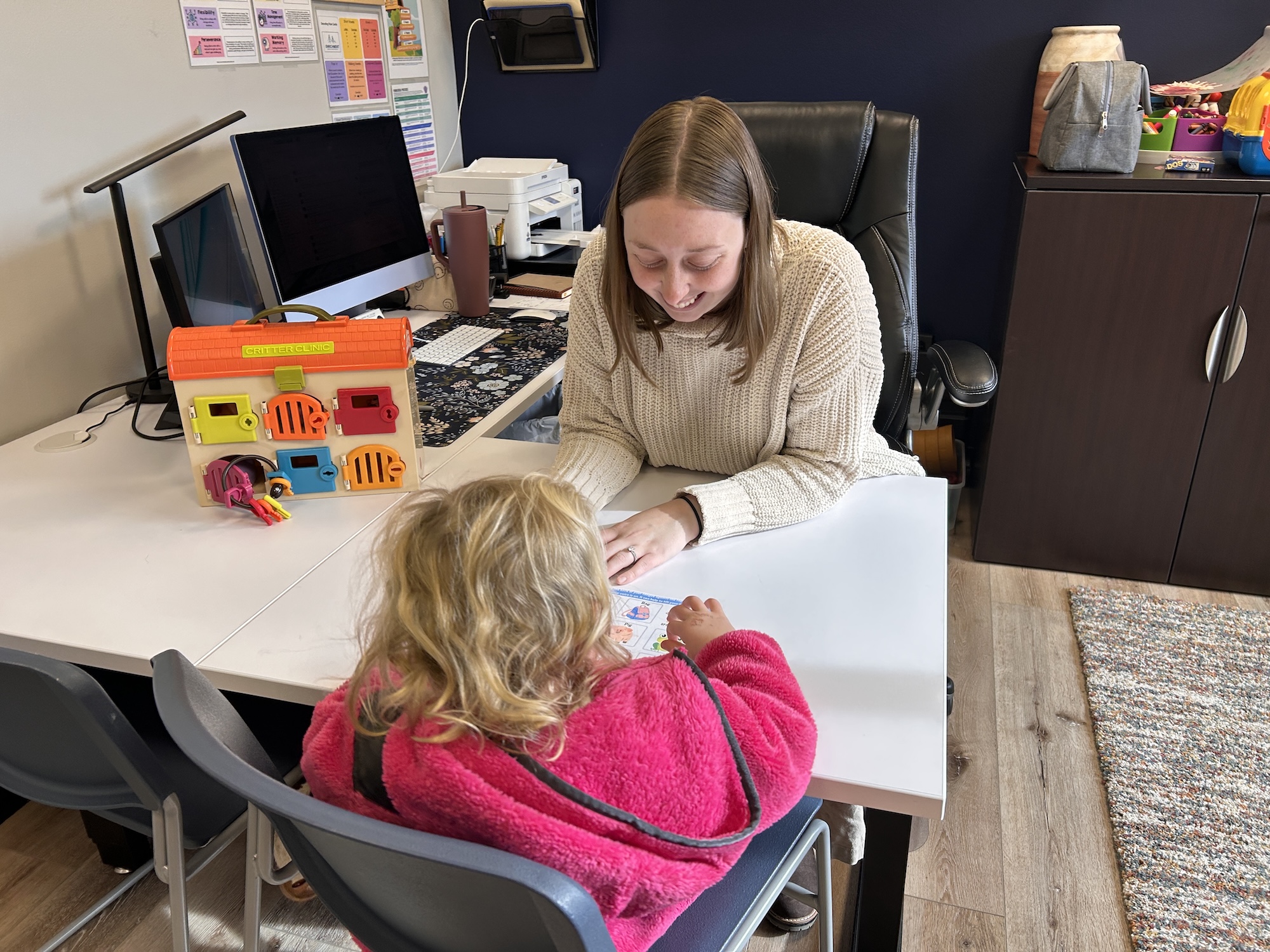
Sometimes the support a child receives at school isn’t enough. If that’s the case for your family, extra services can fill the gap. At Enrichment Therapy & Learning Center, we use evidence-based dyslexia treatment practices. Every session incorporates a multisensory, research-proven approach to reading, along with one-on-one services that identify the root issue holding your child back and build an individualized treatment plan. We have locations in Johnston and North Liberty, IA, with virtual services also available.
Learn more about dyslexia therapy at ETLC or schedule a free consultation to talk with a member of our team.
You may also find these pages helpful:
- Signs of Dyslexia
- Tutoring & Learning Support
- School Accommodations and Learning Support: A Parent’s Guide
- Contact Us
About the Author
Sonia Strueby, M.A., CCC-SLP, is the founder of Enrichment Therapy & Learning Center. With over 25 years of experience as a speech-language pathologist, Sonia has dedicated her career to helping children overcome complex communication and academic challenges. She has advanced training and a special focus on treating dyslexia and childhood apraxia of speech, and she is passionate about providing families with a clear path to success.


0 Comments