

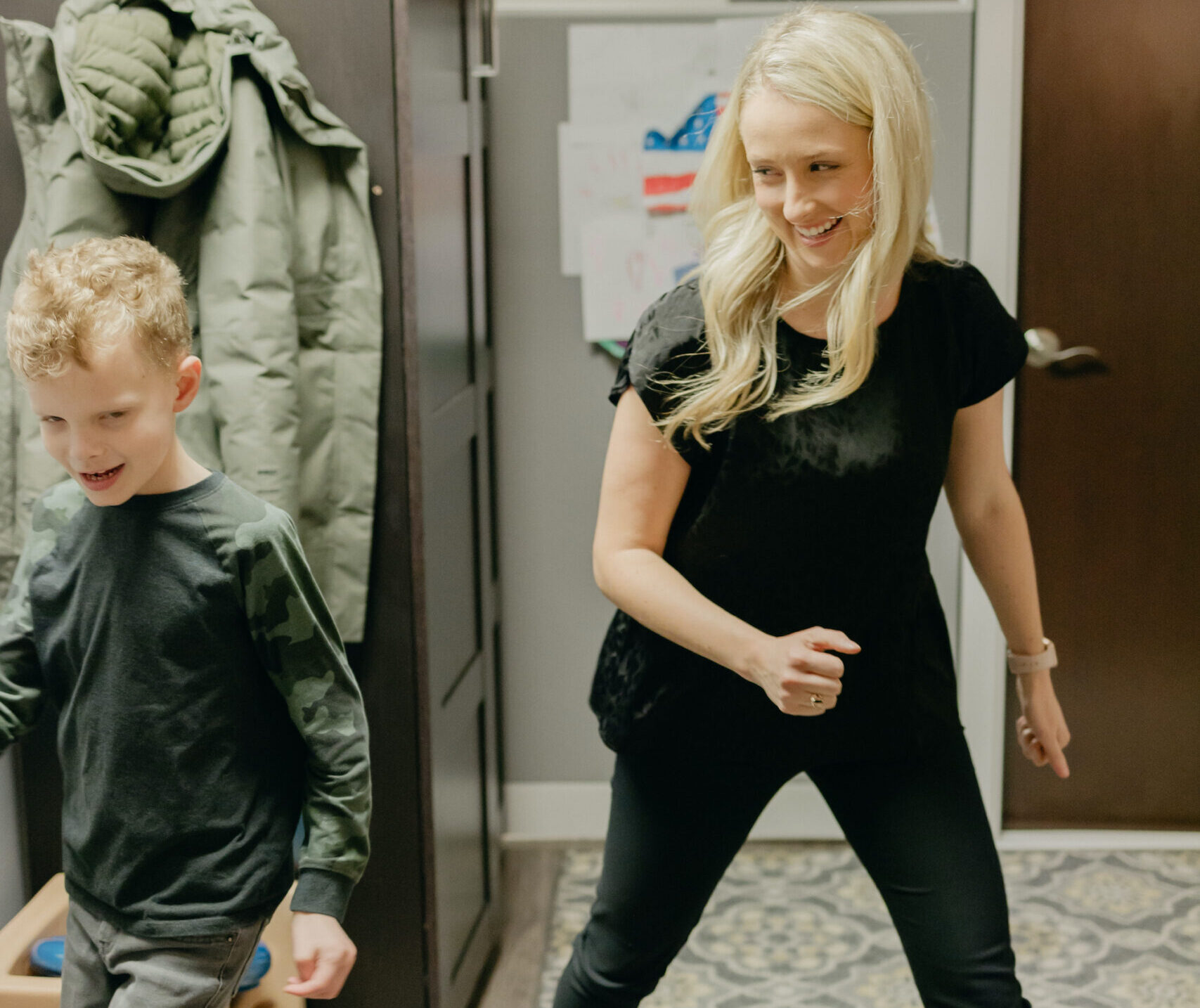
Exercise and learning are closely linked. Regular physical activity benefits the brain, and it can help your child do better in the classroom. First, this post explains why recess and movement matter and shares simple ways to add brain breaks to your child’s day.
How Exercise and Learning Work Together
Remember when people believed that recess sent students back to class rowdier and less attentive? However, research suggests this is a myth. Students tend to return to class more ready to learn than students who stay in the classroom for hours without a break.
At recess, students run around, play sports, and climb on the play structure. For example, these activities pump more blood through the body. More blood means more oxygen and better-nourished brain tissue. As a result, exercise supports attention, memory, and learning, and it may help children with attention challenges.
What the Research Shows
First, researchers in Illinois studied third and fifth graders. Each student completed standard fitness tests, such as push-ups and running. Then the researchers compared the results with the students’ math and reading scores. As a result, the more fitness tests students passed, the better they scored in reading and math. These findings held true regardless of gender and socioeconomic differences. Edutopia reported on the work in the article “A Fit Body Means a Fit Mind” by Vanessa Richardson.
Brain Breaks: Quick Ways to Get Moving
Also, everyone needs a brain break from time to time, especially children who work hard for several hours each day. Brain breaks boost oxygen flow throughout the body and support brain function. At ETLC, we like to use GoNoodle for a quick burst of activity or to set up a successful day. Students love the fun videos too, so it is a win-win.
- Active breaks: guided dancing with the KIDZ BOP Kids gets wiggles out fast.
- Yoga breaks: Maximo, a yoga instructor monkey, is a favorite.
- Calm breaks: when it is time to settle and focus, try the Think About It series or Flow.
Easy Ways to Add Movement at Home
For example, take your child outside and kick around a soccer ball or jump rope for a few minutes. Even short bursts of activity can help. Every bit of exercise supports your child’s brain and school performance. In addition, a quick movement break between homework tasks can help your child reset and refocus.
Frequently Asked Questions
How does exercise help learning?
Exercise increases blood flow and oxygen to the brain. As a result, it supports attention, memory, and learning.
How can I add brain breaks to my child’s day?
Use short movement videos, a quick game of catch, or a few minutes outside. Also, try a calm activity like yoga when your child needs to focus.
Does recess hurt classroom focus?
No. Research suggests students often return to class more ready to learn after recess.
How ETLC Can Help
If your child has trouble paying attention or staying organized, our team can help. Enrichment Therapy & Learning Center has locations in Johnston and North Liberty, IA, with virtual services also available.
Learn more about executive functioning support at ETLC or schedule a free consultation to talk with a member of our team.
You may also find these pages helpful:
- Attention and Executive Functioning
- Does Your Child Have Attention Difficulties?
- At-Home Routines for Kids
About the Author
Sonia Strueby, M.A., CCC-SLP, is the founder of Enrichment Therapy & Learning Center. With over 25 years of experience as a speech-language pathologist, Sonia has dedicated her career to helping children overcome complex communication and academic challenges. She has advanced training and a special focus on treating dyslexia and childhood apraxia of speech, and she is passionate about providing families with a clear path to success.
0 Comments