

Does your child get frustrated or shut down when you correct their speech or language? You are not alone. There are simple ways to support speech and language practice at home without it turning into a source of frustration or self-doubt for either of you. Here are four tips.
Why Does Home Practice Matter?
Home practice helps your child carry the skills they learn in therapy into everyday life. According to ASHA’s guidance on speech sound disorders, generalizing new skills beyond the therapy room is an essential part of treatment. Consistent practice in real-life settings helps new patterns stick. Even so, kids can genuinely struggle to follow through at home, and it helps to understand why.
Why Do Kids Get Frustrated When We Correct Them?
Kids can become embarrassed or frustrated when family members correct their speech and language all day. This is especially true if it feels like they are constantly hearing what they are doing wrong. Being reminded of a challenge over and over can chip away at confidence and motivation.
4 Tips to Reduce Frustration During Practice at Home
1. Pick a Specific Time of Day to Listen for Errors
Instead of correcting your child every time you notice an error, choose one dedicated time to focus on the skill they are working on. It could be mealtime, the car, or after-school playtime.
2. Make the Expectation Clear
Tell your child exactly what you will listen for, such as speech sounds, grammar, or reading accuracy, and for how long. A visual timer helps your child see when practice starts and stops. Let them know this is practice for their sessions at Enrichment Therapy & Learning Center. Older kids may find extra motivation in hearing that consistent practice can help them reach their goals, and finish therapy, faster.
3. Choose Times When They Are Alone
Try not to correct your child in front of friends or in public, because it can feel embarrassing and make them less willing to talk. Siblings count too. Talk with your child about who in the family they are comfortable being corrected in front of, and make sure siblings understand that correcting speech is your job, not theirs. Many kids get annoyed when a sibling, especially a younger one, corrects them.
4. Make Home Practice Fun
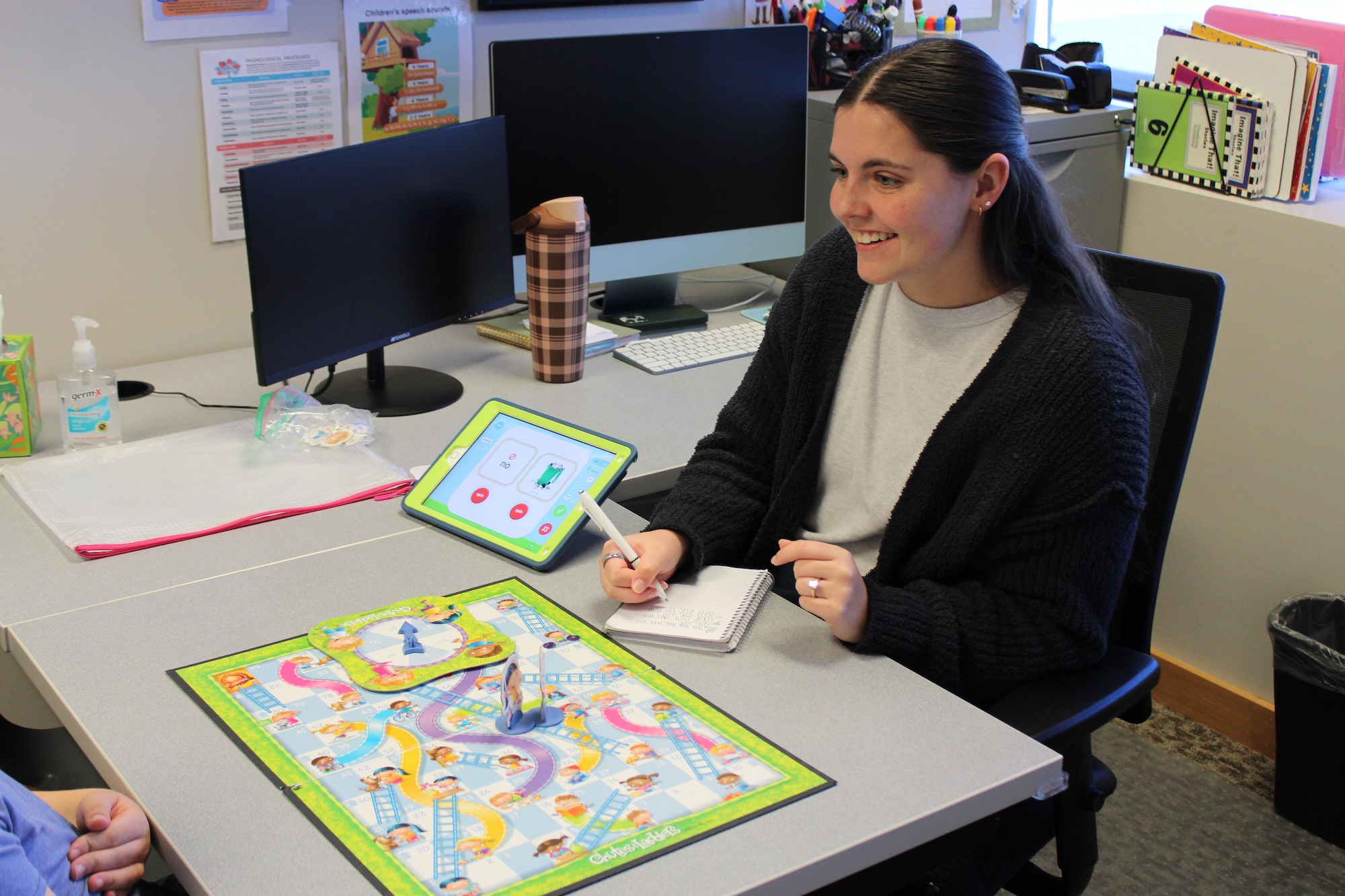
Practice does not have to feel like a drill. Pick times when your child is in a good mood, and weave practice into play. Take turns in a game and ask them to practice their sounds or words along the way. Keep things light, and remind your child how hard they are working. For more ideas, read our guide to practicing speech sounds at home.
How Can I Tell If This Approach Is Working?
Watch for your child becoming more willing to take part in practice. They may show less avoidance or frustration, and they may even start practice on their own now and then. Progress can be gradual, and that is normal. The goal is steady improvement in both skill and confidence, not instant perfection.
Frequently Asked Questions
How often should we practice speech and language at home?
Short, regular sessions work best, such as one or two sessions of 5 to 10 minutes a day. Your child’s SLP can tell you what is right for your child.
What if my child refuses to practice?
Try changing the time, making it a game, or shortening the session. If refusal continues, tell your SLP so they can adjust the plan.
When should I seek help?
Talk with your child’s speech-language pathologist if your child’s frustration feels severe, if they avoid practice or therapy itself, or if you notice a dip in their confidence or willingness to communicate.
How ETLC Can Help
If you have questions about supporting your child’s practice at home, our team is here to help you find an approach that works for your family. Enrichment Therapy & Learning Center has locations in Johnston and North Liberty, IA, with virtual services also available.
Learn more about speech-language therapy at ETLC or schedule a free consultation to talk with a member of our team.
You may also find these pages helpful:
- Practicing Speech Sounds at Home
- Discrimination and Production Practice
- 5 Easy Ways to Get Your Child to Talk During Play
About the Author
Sonia Strueby, M.A., CCC-SLP, is the founder of Enrichment Therapy & Learning Center. With over 25 years of experience as a speech-language pathologist, Sonia has dedicated her career to helping children overcome complex communication and academic challenges. She has advanced training and a special focus on treating dyslexia and childhood apraxia of speech, and she is passionate about providing families with a clear path to success.


0 Comments