

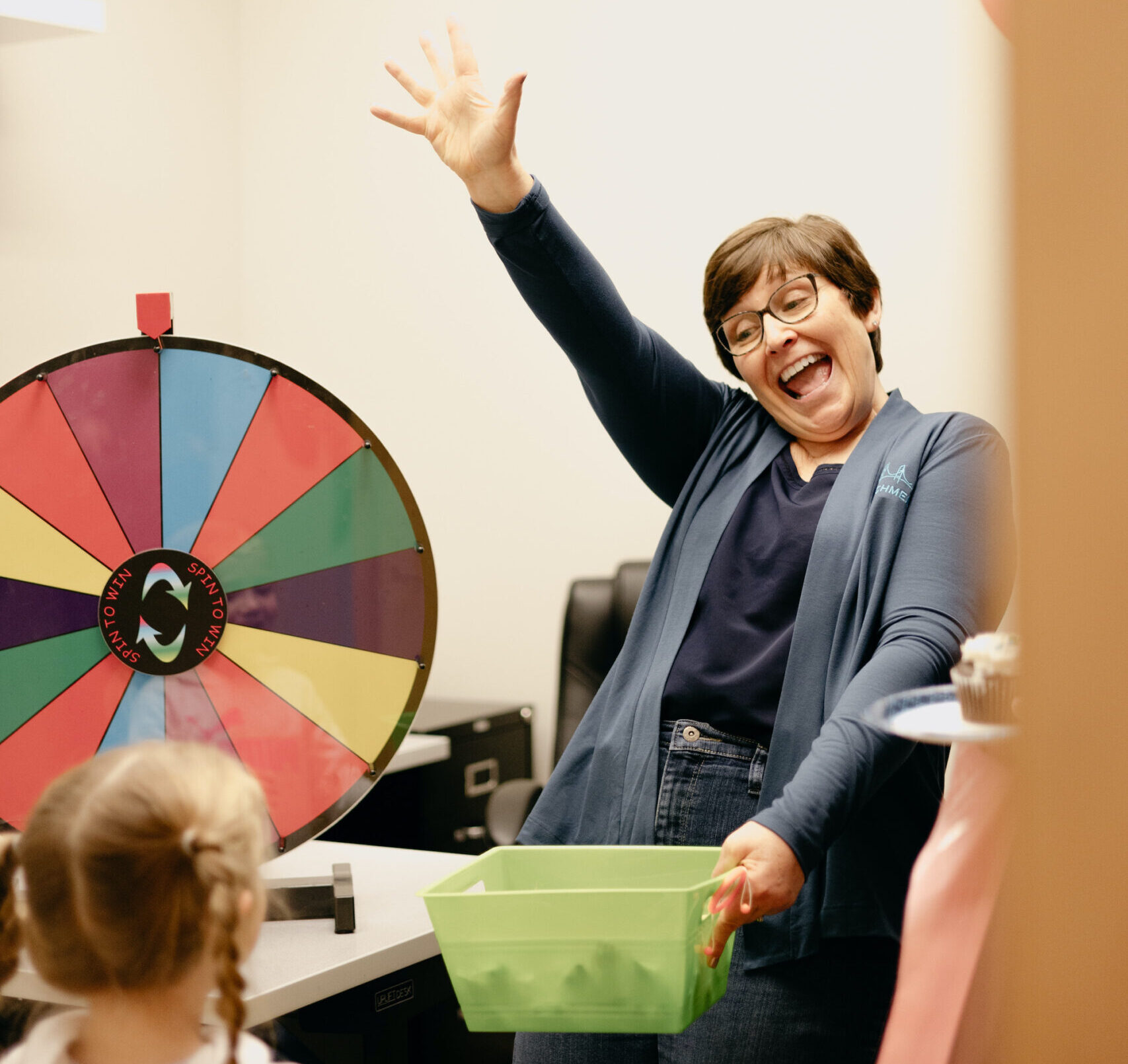
Growth mindset for kids means believing that abilities and intelligence can be developed through effort, strategy, and practice, rather than being fixed traits you are simply born with. Psychologist Dr. Carol Dweck coined the term through her research on how children respond to failure and challenge. At Enrichment Therapy & Learning Center, we build growth mindset language into our classrooms and therapy rooms every day, because how a child thinks about learning shapes how willing they are to keep trying when something feels hard.
What Is Growth Mindset for Kids?
A growth mindset is the belief that we can build our abilities and intelligence over time, rather than being stuck with whatever we started with. Kids with this mindset tend to:
- Want to keep learning, even when it is hard
- Embrace challenges instead of avoiding them
- Keep going after a setback instead of giving up
- Take feedback as useful information, not as a judgment of their worth
What Is a Fixed Mindset?
By contrast, a fixed mindset is the belief that intelligence and abilities are set in stone: you either have them or you do not. This mindset tends to show up as:
- Avoiding challenges that might lead to failure
- A strong fear of making mistakes
- Trouble accepting or using feedback
- Feeling threatened by other people’s success
5 Ways to Promote a Growth Mindset for Kids
1. Praise Effort, Not Traits
Try, “Wow, you worked so hard on that!” instead of “Wow, you’re so smart!” Praising the process teaches your child that effort is what leads to improvement.
2. Talk Openly About Mistakes
Share your own failures and what you learned from them. Normalizing mistakes helps your child see them as part of learning, not something to fear.
3. Describe the Brain Like a Muscle
Just like muscles get stronger with use, the brain grows stronger with practice and effort. This gives kids a simple, concrete way to understand that intelligence is not fixed.
4. Model Tackling Challenges Head-On
Say the mantra out loud together: “I can do hard things!” Hearing you say it, and use it yourself when something is difficult, makes it real.
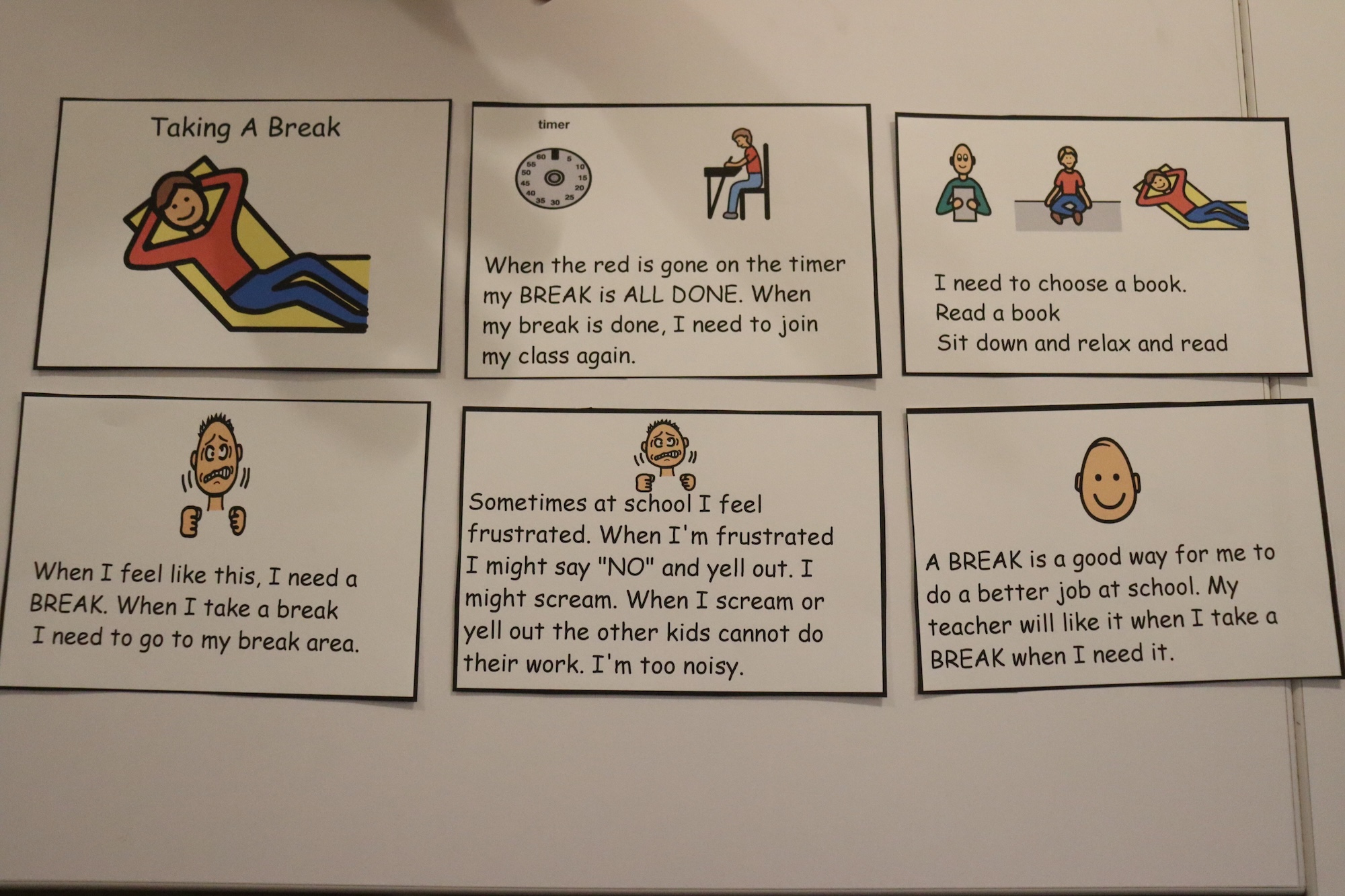
5. Read the Social Story Together
ETLC’s “I Can Do Hard Things!” is a short, child-friendly story you can read with your child to reinforce these ideas in a way that is easy to relate to.
Watch Out for a “False” Growth Mindset
Here is an important nuance: simply using growth mindset language is not the same as building one. Dr. Dweck herself has cautioned against what she calls a “false growth mindset”. This happens when adults say the words without changing how they respond to a child’s mistakes or struggles.
In practice, this means growth mindset for kids is a journey, not a phrase you repeat once and check off the list. It is built through how you respond, day after day, when your child struggles, makes a mistake, or wants to give up. Praise the strategy your child used, then help them try a new one when the first one does not work.
When Should I Seek Help?
A growth mindset can help any child approach challenges with more confidence. However, it is not a substitute for support when a child is genuinely struggling with a skill, whether that is reading, speech, math, or staying organized. If your child’s frustration with a specific skill seems to go beyond typical ups and downs, trying harder is not the answer. A free screening can help you understand what is really going on.
For more structured ideas, check out Big Life Journal’s free growth mindset guide, which offers a simple four-week plan of activities you can do together at home.
Frequently Asked Questions
What is the easiest way to start teaching growth mindset for kids?
Start with your words. Praise effort and strategy, talk about your own mistakes, and add the word “yet” when your child says “I can’t do this.”
Can I overdo praise for effort?
Yes. Effort praise works best when it points to something specific, like a strategy or a skill your child practiced. Praising effort when a child is stuck and has no new strategy can feel hollow, so pair it with help.
What if my child still gives up easily?
Some children give up because a skill is truly hard for them, not because they lack motivation. If the pattern continues, a screening can show whether an underlying skill needs support.
How ETLC Can Help
If your child’s confidence is dropping because school feels hard, our team can help find the real reason and build skills step by step. Enrichment Therapy & Learning Center has locations in Johnston and North Liberty, IA, with virtual services also available.
Learn more about learning support at ETLC or schedule a free consultation to talk with a member of our team.
You may also find these pages helpful:
- 5 Ways to Boost Your Child’s Confidence for the New School Year
- How to Motivate Your Child to Learn
- How to Help Your Child Manage Big Emotions and Anxiety
About the Author
Sonia Strueby, M.A., CCC-SLP, is the founder of Enrichment Therapy & Learning Center. With over 25 years of experience as a speech-language pathologist, Sonia has dedicated her career to helping children overcome complex communication and academic challenges. She has advanced training and a special focus on treating dyslexia and childhood apraxia of speech, and she is passionate about providing families with a clear path to success.


0 Comments