

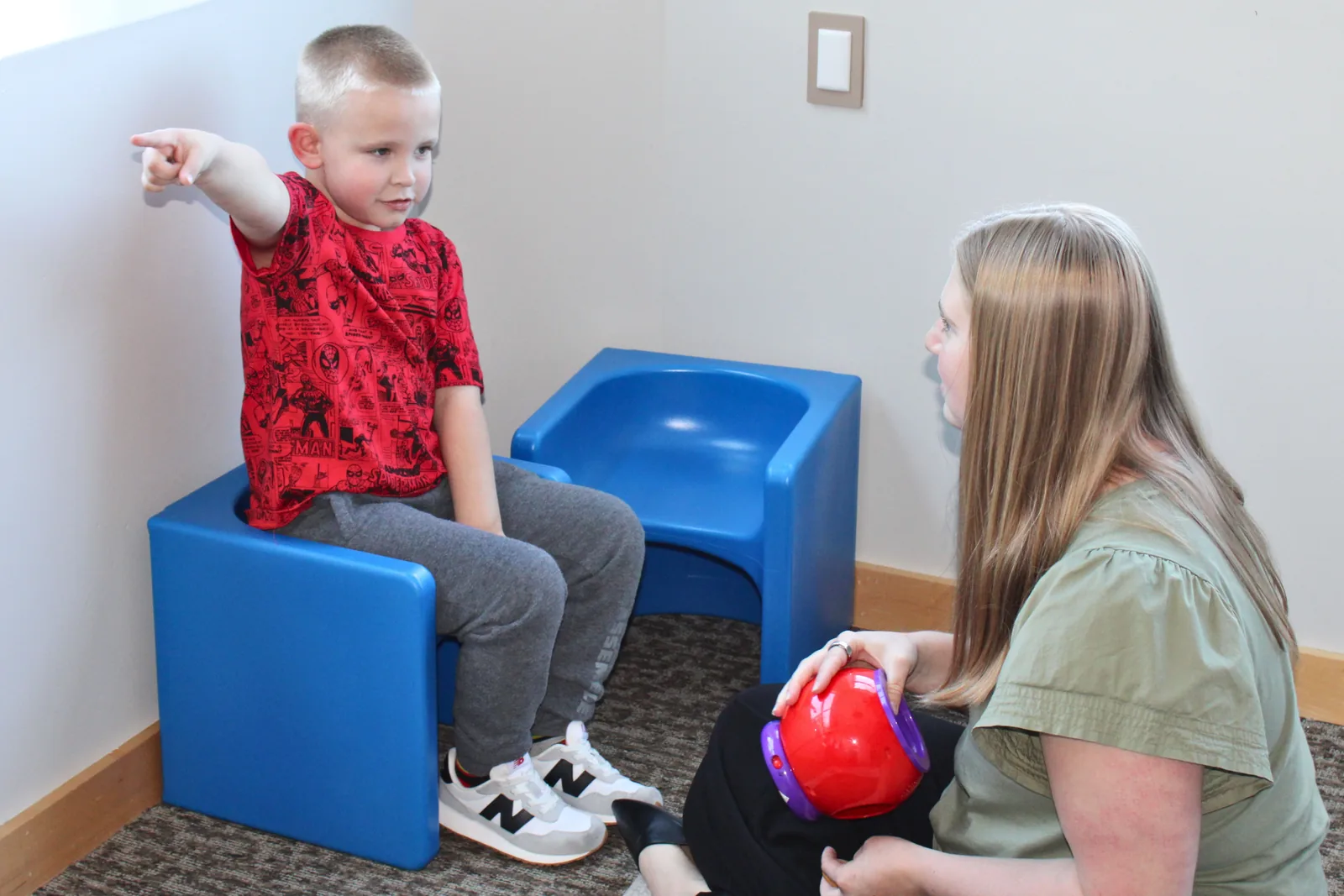
Every child experiences big emotions — frustration, worry, disappointment, fear. That's completely normal. What varies from child to child is the ability to recognize those emotions, understand them, and manage them in a way that doesn't derail the rest of the day.
For some children, emotional regulation comes fairly naturally. For others, it takes explicit teaching, consistent practice, and patient support from the adults around them. The good news is that these skills absolutely can be learned — and the strategies in this guide will give you a practical starting point.
Understanding Your Child's Emotional Experience
Before we can help a child manage their emotions, it helps to understand what's going on from their perspective. Children who struggle with emotional regulation aren't choosing to melt down over small things — they genuinely experience distress that feels overwhelming and disproportionate to the situation.
A useful exercise: imagine experiencing a difficult school day with a learning challenge you've never had before. Following directions while noise surrounds you. Trying to read when the letters don't stay still. That level of daily effort and frustration is real for many children — and it builds up.
When we approach our children's big emotions from a place of genuine curiosity rather than frustration, everything shifts. "Why is this so hard for them right now?" is a more useful question than "Why are they being so dramatic?"
Calming Strategies: Building a Toolkit Before the Storm
The most important thing to know about calming strategies is this: they must be practiced during calm moments to be available during difficult ones. A child in the middle of a meltdown cannot learn a new coping skill. They need to have practiced it first.
Work with your child on these strategies when they're relaxed and regulated — bedtime, after school snack, on a walk. Then, when a difficult moment comes, you can remind them of a tool they already know.
Deep breathing. Deep, slow breaths activate the body's calming response and are one of the most reliably effective regulation tools available to children and adults alike. Practice together: breathe in for four counts, hold for two, breathe out for four. Make it playful — pretend to smell something wonderful, then slowly blow out a candle.
Counting. Counting to a specific number gives the brain a concrete task to focus on, which interrupts the escalating thought spiral. Have your child pick their number — some prefer five, others prefer twenty. The act of choosing makes it theirs.
Positive thought replacement. When a child is spiraling into worry or frustration, prompt them to think of something completely unrelated and positive — a favorite memory, a funny moment, something they're looking forward to. This interrupts the cycle and gives the brain a brief reset.
Movement. Physical movement — jumping, a short walk, squeezing a stress ball, doing jumping jacks — helps discharge the physical energy that builds during emotional activation. Some children regulate far better through movement than through stillness.
A designated break spot. Create a specific spot in your home — a chair, a corner with a pillow, a small tent — that is the designated "calm down" space. This is not a punishment spot. It's a go-to place where your child knows they can use their strategies and return to a regulated state. Once calm, have a brief, neutral conversation about what happened and what to do differently next time.
Journaling. For children who are older or more verbal, writing about emotions can be a powerful release. Keep a dedicated journal for this purpose. Practice during calm times — "Write one thing you felt today and why." Over time, this builds emotional vocabulary and self-awareness.
The Inner Coach vs. The Inner Critic
Does your child say things like "I'm terrible at this" or "I always mess up" when they make a mistake? This kind of negative self-talk — what we call the Inner Critic — can become a significant barrier to learning and risk-taking.
The good news is that children can learn to recognize their Inner Critic and replace it with an Inner Coach.
Introduce the concept: Ask your child what they'd say to themselves if they reached for something hot on the stove. Most children naturally respond with helpful self-talk: "Be careful!" "Get a hot pad!" That's their Inner Coach — the voice that helps them navigate challenges. The Inner Critic is the voice that shows up when things get hard and says unhelpful things instead.
Practice sorting: Read statements aloud and have your child identify whether it's an Inner Coach or Inner Critic response:
- "I made a mistake. That's okay — I have an eraser." → Inner Coach
- "Ugh, I'm terrible at writing." → Inner Critic
- "This is hard, but I can try again." → Inner Coach
- "I'll never get this right." → Inner Critic
The replacement habit: When your child catches themselves using Inner Critic language, help them rephrase it: "What would your Inner Coach say instead?" Over time, this becomes automatic. The goal isn't to eliminate all negative feelings — it's to give children a tool for not getting stuck in them.
Helping Children with Anxiety
Anxiety is more common in children than many people realize — and the ways adults respond to it can either help or accidentally make it worse. Here are some of the most common missteps and what to do instead.
Don't just tell them to calm down. When a child is anxious, they know logically there may be nothing to worry about. Being told "calm down" or "it'll be fine" doesn't address the feeling — it dismisses it. Instead, acknowledge the feeling first: "I can see you're really worried about this. That makes sense. Let's take a breath together and figure out what we can do."
Don't focus on "what ifs." Anxious children often get stuck in hypothetical worries about things that might happen. Gently redirect from "What if..." to "What is..." — focusing on what's actually happening right now rather than imagined future scenarios.
Don't avoid the anxiety-provoking situation entirely. Avoidance provides short-term relief but makes anxiety worse over time. Each time a child avoids something, the anxiety about it grows. Instead, help your child work toward the feared situation in small, manageable steps — building confidence at each stage before moving to the next.
Do help them feel prepared. Anxiety often spikes around the unknown. Giving children specific information about what to expect — who will be there, what will happen, how long it will last, what they can do if they feel uncomfortable — dramatically reduces that spike. This is especially true for social situations like family gatherings, new classrooms, or doctor's visits.
Do give choices. Anxiety makes children feel out of control. Offering even small choices within a situation restores a sense of agency. "Do you want to say hi first or wait until they come to you?" "Do you want to try one bite of the new food or just the foods you know?"
Navigating Social Anxiety: Holidays and Family Gatherings
Large family gatherings can be genuinely overwhelming for children who struggle with social situations or anxiety — lots of people, noise, unpredictability, and social expectations all at once.
A few strategies that help:
Practice conversations in advance. Role-play likely scenarios at home before the event. Family members will probably ask how school is going — help your child prepare a few comfortable responses. Practice conversation starters they can use with other kids: "Are you playing any sports?" "What games do you like?" Preparation builds confidence.
Tell them what to expect. Walk through the day in advance: who will be there, where you'll be going, what you'll eat, how long you'll stay, what happens when you arrive. The more concrete the picture, the less frightening the unknown.
Debrief afterward — positively. After the event, point out one or two specific things your child did well. "I noticed you introduced yourself to your cousin. That took courage." Even if the event was hard, finding something genuine to celebrate reinforces that they can handle difficult social situations.
Preparing Your Child for Unexpected Changes
For some children, even small deviations from routine — a different door into a building, a substitute teacher, a toy that's been moved — can trigger significant distress. If your child struggles with unexpected changes, these strategies can help:
Give verbal warnings early. "In about ten minutes, we're going to leave the park." Advance notice gives the brain time to adjust rather than react.
Use visual supports. A First/Then board or visual schedule makes the change concrete. Instead of just saying "we're doing something different today," show them on the schedule what's changing and what comes next.
Acknowledge the difficulty without amplifying it. "I know this isn't what you expected, and that's hard. We're going to figure it out together." This validates the feeling without reinforcing that the change is catastrophic.
Build a "change is okay" narrative. During calm times, read books about characters navigating change successfully, talk about times your child handled something unexpected well, and celebrate flexibility when you see it.
Frequently Asked Questions
How do I know if my child's anxiety is normal or needs professional support? Most children experience anxiety around specific events — a new school year, a doctor's visit, a performance. This is normal. Concern arises when anxiety is persistent, pervasive across many situations, significantly interferes with daily life, or causes physical symptoms like stomachaches or sleep problems regularly. If that sounds familiar, a conversation with your pediatrician or a mental health professional is a good next step.
My child shuts down completely when upset rather than melting down. Is that still a regulation problem? Yes. Shutdown — becoming quiet, withdrawn, and unresponsive — is just as much a dysregulation response as a meltdown; it just looks different. Children who shut down often need support identifying their emotions earlier in the escalation cycle, before they reach the point of complete withdrawal.
Can emotional regulation difficulties be connected to speech or language challenges? Yes, and more commonly than people realize. Children who struggle to find words for their emotions, understand what others are feeling, or communicate their needs effectively are at higher risk for emotional and behavioral difficulties. Speech-language therapy that addresses social-emotional communication can make a significant difference.
Is medication ever appropriate for childhood anxiety? That's a question best answered by a pediatrician or child psychiatrist. Many children benefit significantly from behavioral strategies and therapy alone. Others may benefit from a combination of approaches. There's no one-size-fits-all answer, and the decision should always involve qualified medical professionals.
How ETLC Can Help
If your child struggles with big emotions, anxiety, or the social-communication skills connected to emotional regulation, our team can help identify what's at the root and build a plan that works.
Learn more about our Social Skill Development services orschedule a free consultation to talk with a member of our team.
You may also find these pages helpful:
About the Author
Sonia Strueby, M.A., CCC-SLP, is the founder of Enrichment Therapy & Learning Center. With over 25 years of experience as a speech-language pathologist, Sonia has dedicated her career to helping children overcome complex communication and academic challenges. She has advanced training and a special focus on treating dyslexia and childhood apraxia of speech, and she is passionate about providing families with a clear path to success.


0 Comments