

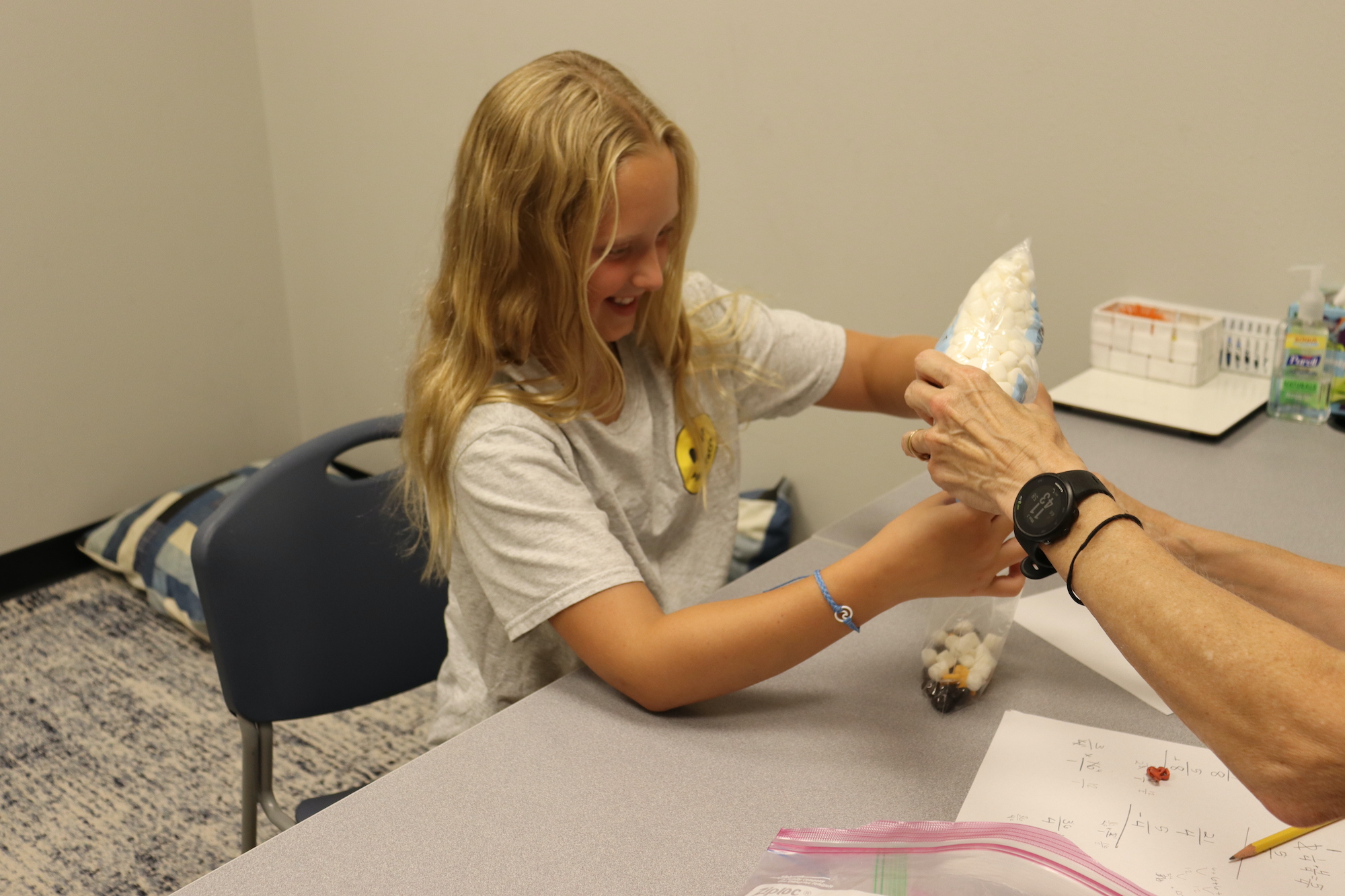
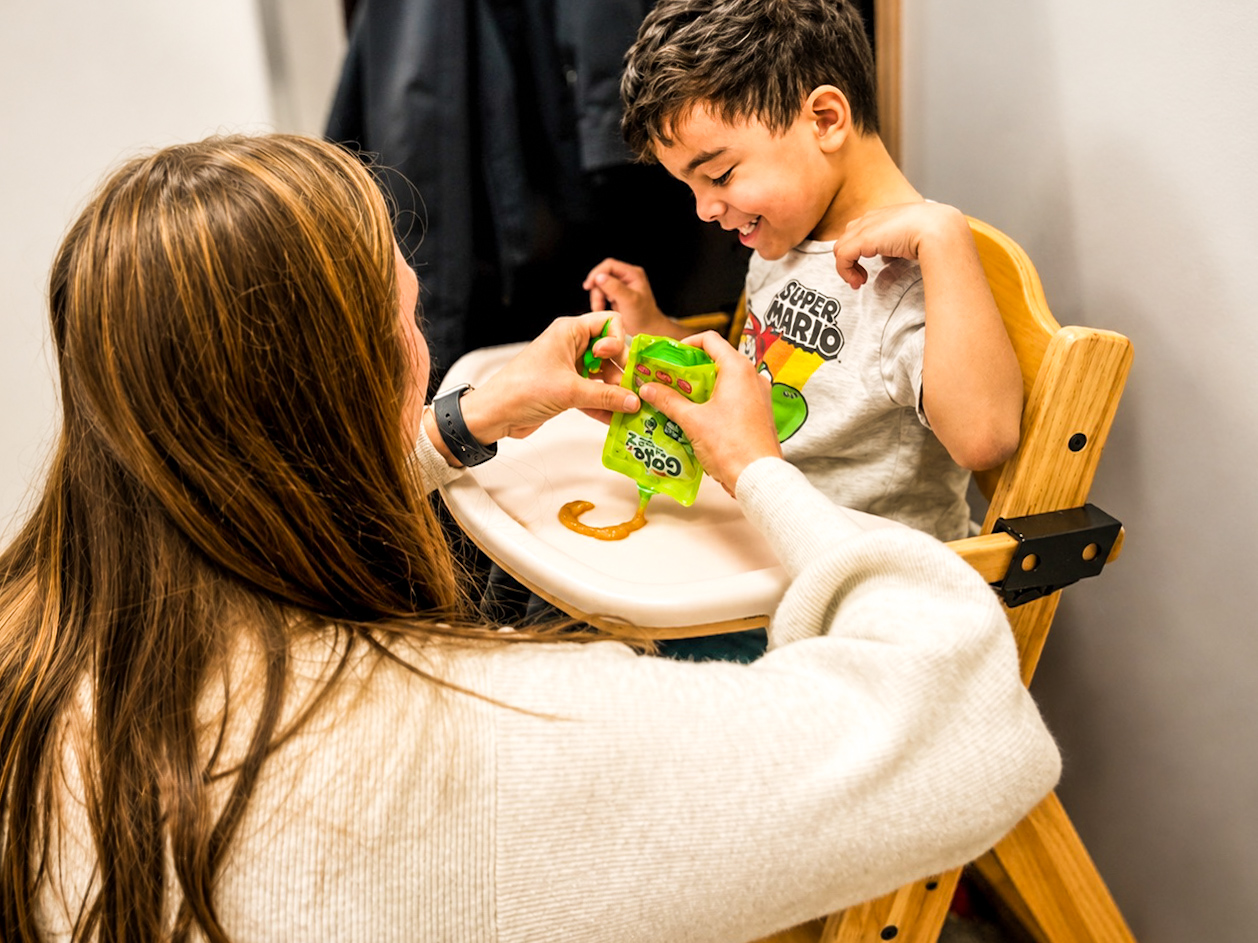
The holidays are a great time to try food play, especially for children who struggle with eating. Food play means exploring food through touch, smell, creativity, and fun, with no pressure to eat it. These sensory-based activities can improve your child’s comfort and skills around food. Here are five ways to use food play this season, based on what we do in feeding therapy.
Sensory Baking Activities for Hands-On Exploration
Baking is a fantastic sensory experience. First, choose simple recipes like cookies or muffins, so your child can explore different textures, smells, and colors. Then encourage them to mix ingredients by hand, feel the dough, and decorate with colorful toppings. Because the focus is on the process and not on eating, this kind of food play can ease worry around food while building a positive relationship with cooking.
Themed Food Art to Explore Creativity
Holiday-themed food art is a fun, relaxing way to take part in food play. Use fruits, vegetables, and dried noodles to make festive designs, such as Christmas trees from broccoli and cheese or snowmen from yogurt and fruit. Also, since nobody has to eat the finished design, your child can explore new foods without pressure.
Family Game Night for All Ages
Minute-to-Win-It games that use food bring everyone together for laughter and friendly competition. They work best for older kids, so keep that in mind. Picture the family gathered around, cheering each other on as they try to stack cookies on their foreheads or race to transfer marshmallows with chopsticks.
The timer makes it even more fun, since everyone scrambles to finish silly tasks in under 60 seconds. It’s also a lighthearted break from the usual holiday traditions, and it creates memories filled with smiles, snacks, and time together.
Cooking With Kids
If your child is ready, involve them in preparing holiday meals or snacks. Next, assign age-appropriate tasks, like washing vegetables, stirring ingredients, or assembling dishes. This teamwork builds confidence, and it also gives your child chances to meet new foods, textures, and smells without the pressure of eating them.
Holiday Food Playdates to Build Social Skills
Organize food playdates with classmates or family members. After that, choose activities that involve food play, such as decorating cookies or building gingerbread houses. Research shows that children are more willing to accept new foods when they see others eating them, so the social side of the holidays can help your child try foods in a supportive setting.
Frequently Asked Questions
Does my child have to eat the food during food play?
No, because the goal is comfort, not eating. If your child touches, smells, or simply sits near a food, that is progress. Eating can come later, on their own timeline.
What if my child gets upset by messy food?
Start small. For example, offer a utensil, a napkin nearby, or a food your child already knows, and let them stop whenever they need to. If mess or textures cause a lot of distress, a feeding therapist can help.
When should I talk to a feeding therapist?
Consider an evaluation if your child eats a very limited set of foods, gags often, or mealtimes cause regular stress. Also, a professional can tell you whether it is typical picky eating or something more.
How ETLC Can Help
Food play can be a joyful and therapeutic experience, especially for children with feeding challenges. By focusing on sensory exploration, creativity, and social connection, you can help your child build a positive relationship with food. Enrichment Therapy & Learning Center has locations in Johnston and North Liberty, IA, with virtual services also available.
Learn more about feeding therapy at ETLC or schedule a free consultation to talk with a member of our team.
You may also find these pages helpful:
- Is Your Child a Problem Eater? 5 Questions to Help You Know
- Thanksgiving With a Picky Eater: 5 Tips and Tricks
- Social Struggles During the Holidays
Source: Addessi E, Galloway AT, Visalberghi E, Birch LL. Specific social influences on the acceptance of novel foods in 2-5-year-old children. Appetite. 2005;45(3):264-271. doi:10.1016/j.appet.2005.07.007.
About the Author
Sonia Strueby, M.A., CCC-SLP, is the founder of Enrichment Therapy & Learning Center. With over 25 years of experience as a speech-language pathologist, Sonia has dedicated her career to helping children overcome complex communication and academic challenges. She has advanced training and a special focus on treating dyslexia and childhood apraxia of speech, and she is passionate about providing families with a clear path to success.

0 Comments