

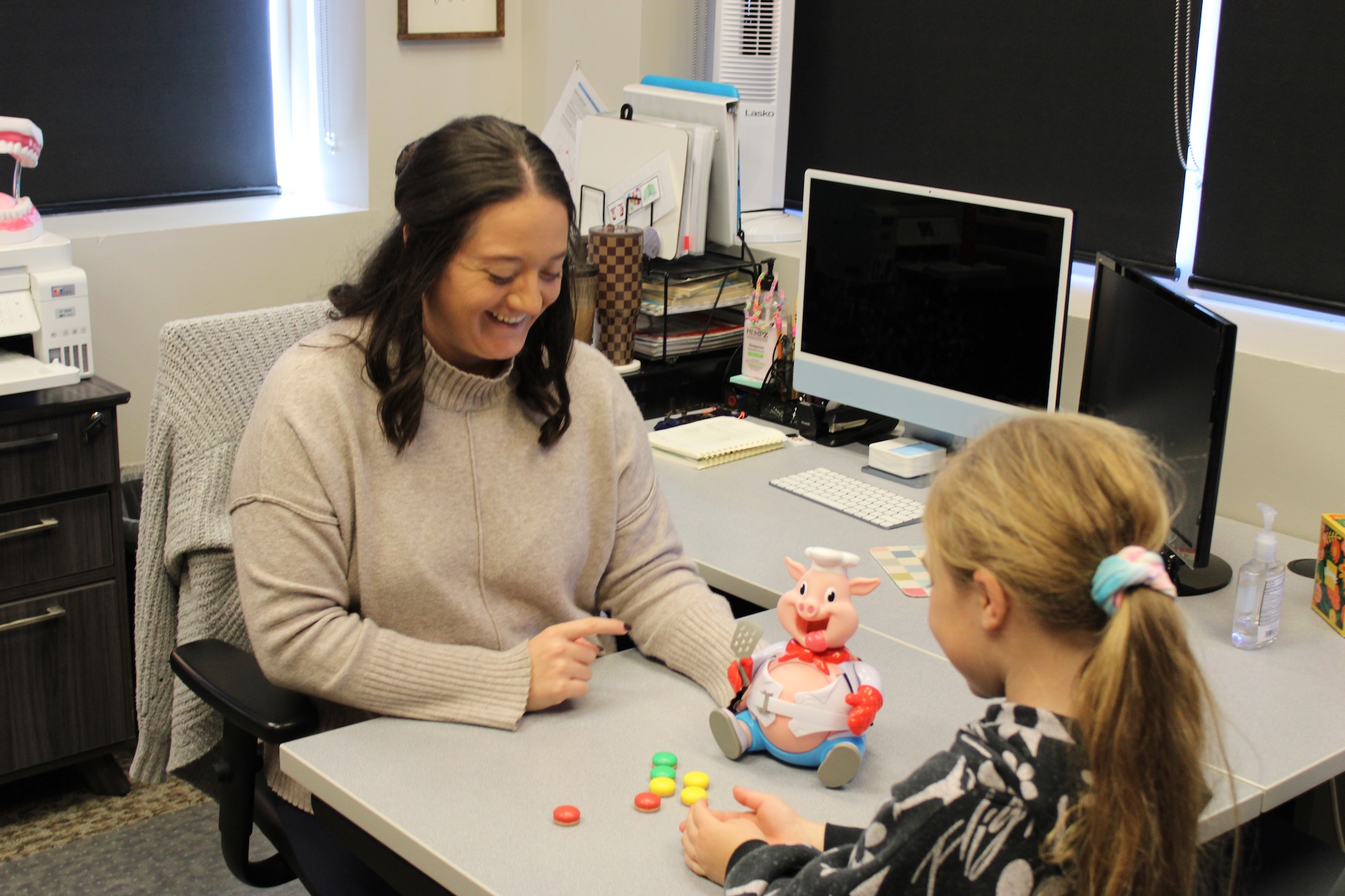
Basic concepts for kids are the words a child needs to follow directions, take part in routines, and join conversations. A child also needs them to succeed in reading, writing, and math. Basic concepts describe location, number, description, time, and feelings. They often come in pairs, also known as opposites.
Basic Concepts for Kids: Pairs to Know for Preschool and Kindergarten
These pairs are among the most important for success in preschool and kindergarten.
- Location: in and out, on and off, up and down, top and bottom, behind and in front, outside and inside, over and under, high and low, forward and backward, above and below
- Feeling: happy and sad
- Number: more and less, all and none
- Description: full and empty, big and little, open and closed, sharp and dull, hot and cold, fast and slow, hard and soft, new and old, thick and thin, smooth and rough, heavy and light, same and different, loud and quiet, tall and short
- Time: first and last, before and after, old and young
How to Teach Basic Concepts at Home
- Use descriptive words when you talk to your child. Describe what you see and hear around you.
- Offer new words. Instead of “big,” try “huge.”
- When you talk about location, say the concept instead of pointing. For example, say “below” or “in front.”
- Use “where” and “when” questions. “Where” invites location words like “behind” and “under,” and “when” invites time words like “before” and “later.”
Practice Prepositions Through Play
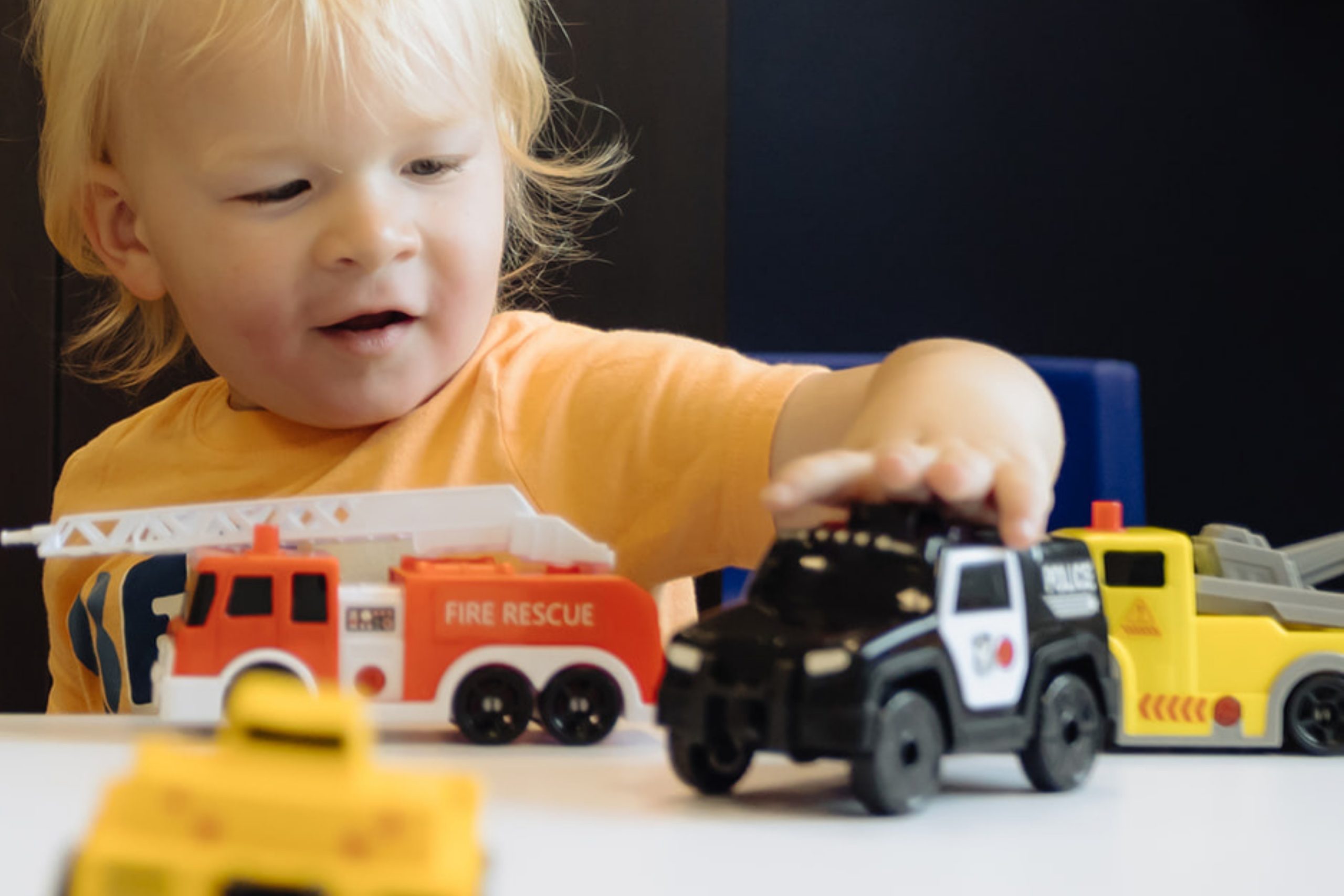
Many ways to teach location words involve play. Use toys such as figurines or stuffed animals to show and talk about where things are.
Describe What You Are Doing
As you play, describe each action. For example, “The bunny wants to go down the slide. First, he has to climb up the stairs. He is climbing up. Now he is at the top. Watch him slide all the way down. Now he is at the bottom.” One short story can show your child several location words.
Make a Purposeful Error
In play, make a mistake and see if your child catches it. For example, say, “The tiger is at the top of the steps. Watch him go up, up, up” instead of “down.” If your child looks confused, say, “Hmm, that is not right. The tiger didn’t go up. Where did he go?” and let your child answer.
Ask About Location
Pretend you lost something. Ask, “Where is that dog? Do you know where he is?” If your child says yes, keep asking, “Is he under the stairs? On top of the table? Where is he?” until your child uses a location word.
Play Hide and Seek
Take turns hiding an object and finding it. When your child finds it, ask, “Where was it?” Then help your child use the right location word if needed.
Frequently Asked Questions
What are basic concepts?
Basic concepts are words for location, number, description, time, and feelings that help children follow directions and join conversations.
Why do basic concepts matter for school?
Children need these words to follow directions and to succeed in reading, writing, and math. In addition, preschool and kindergarten teachers use them all day.
How can I help my child learn prepositions?
Use play. Describe actions with location words, ask where things are, and take turns hiding and finding objects.
How ETLC Can Help
If your child has trouble following directions or using location words, our speech-language pathologists can help. Enrichment Therapy & Learning Center has locations in Johnston and North Liberty, IA, with virtual services also available.
Learn more about language therapy at ETLC or schedule a free consultation to talk with a member of our team.
You may also find these pages helpful:
About the Author
Sonia Strueby, M.A., CCC-SLP, is the founder of Enrichment Therapy & Learning Center. With over 25 years of experience as a speech-language pathologist, Sonia has dedicated her career to helping children overcome complex communication and academic challenges. She has advanced training and a special focus on treating dyslexia and childhood apraxia of speech, and she is passionate about providing families with a clear path to success.
0 Comments