

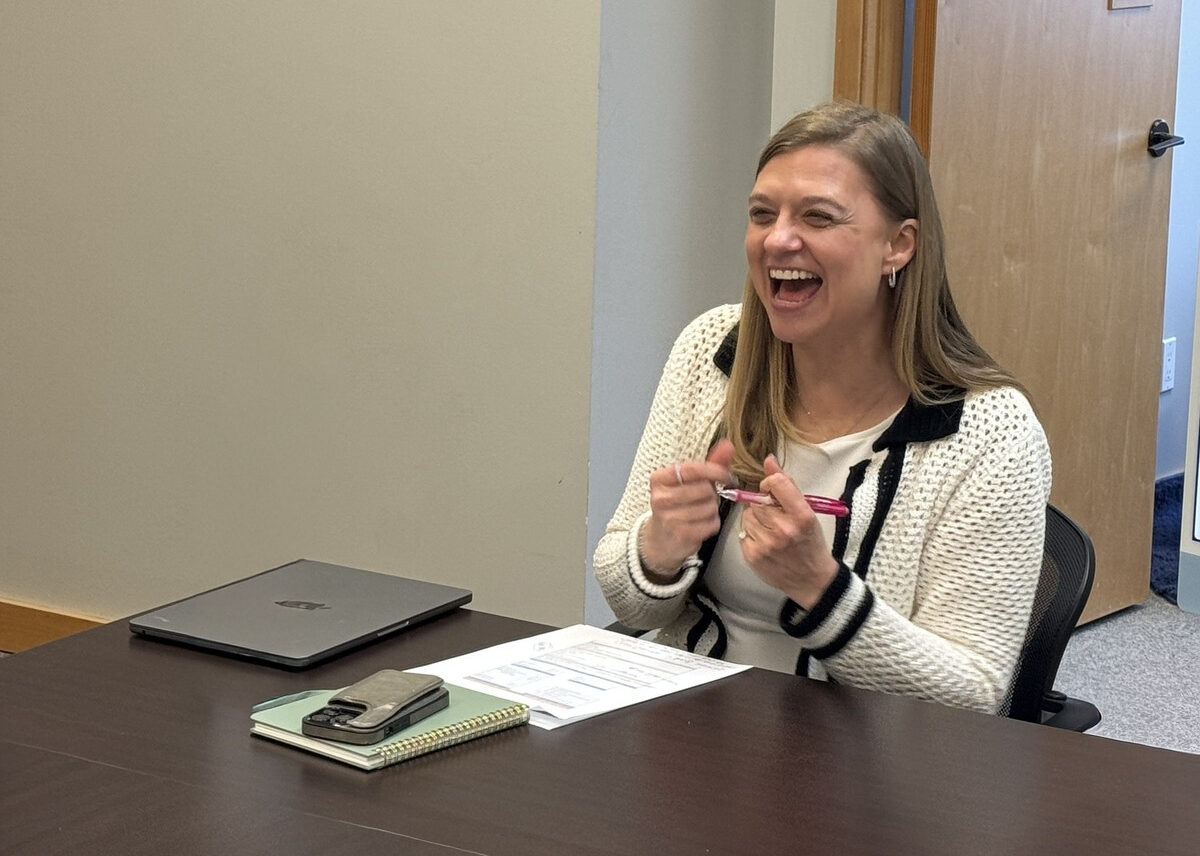
We have heard this question from parents before: “If they work on their skills with the SLP at school, will that mess up what they’re doing here?” The short answer is no. School and private speech services are both valuable and meaningful for your child. When a child takes part in services in both places, they can meet goals faster and carry skills over more quickly, since two dedicated SLPs are working on their behalf.
There are real differences between school-based and private services. Here are a few of the biggest ones.
School and Private Speech Services: Frequency and Duration
In schools, your child is often seen for 10 to 15 minutes once or twice a week. This depends on their Individualized Education Program (IEP), but it is a common dosage. In private clinics, sessions typically run 30 minutes and can happen as many days per week as the SLP recommends.
Group vs. Individual Sessions
Schools often use group-based therapy, which is also outlined in your child’s IEP. Groups can be valuable for building social relationships, practicing skills in real play contexts, and building camaraderie around shared progress.
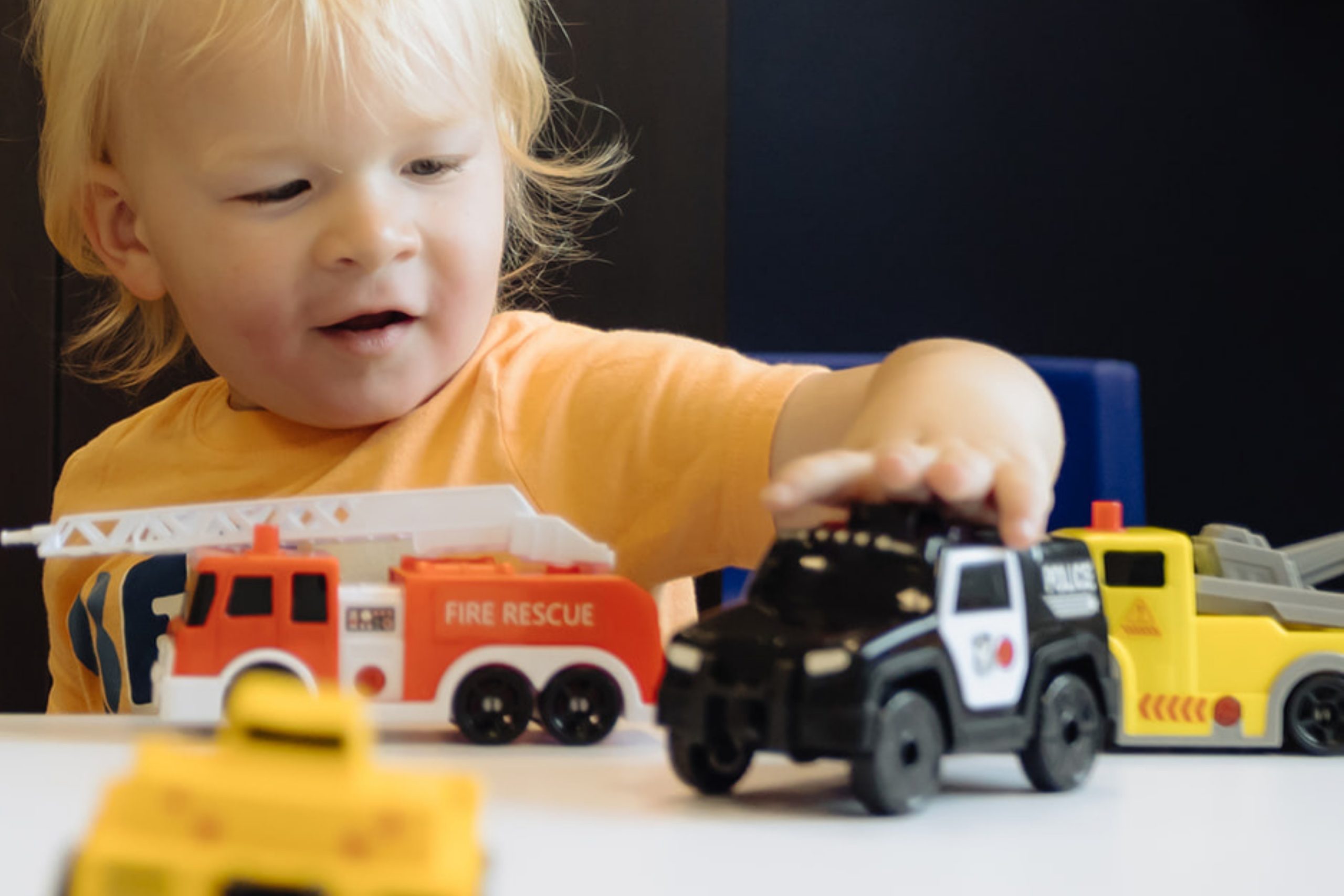
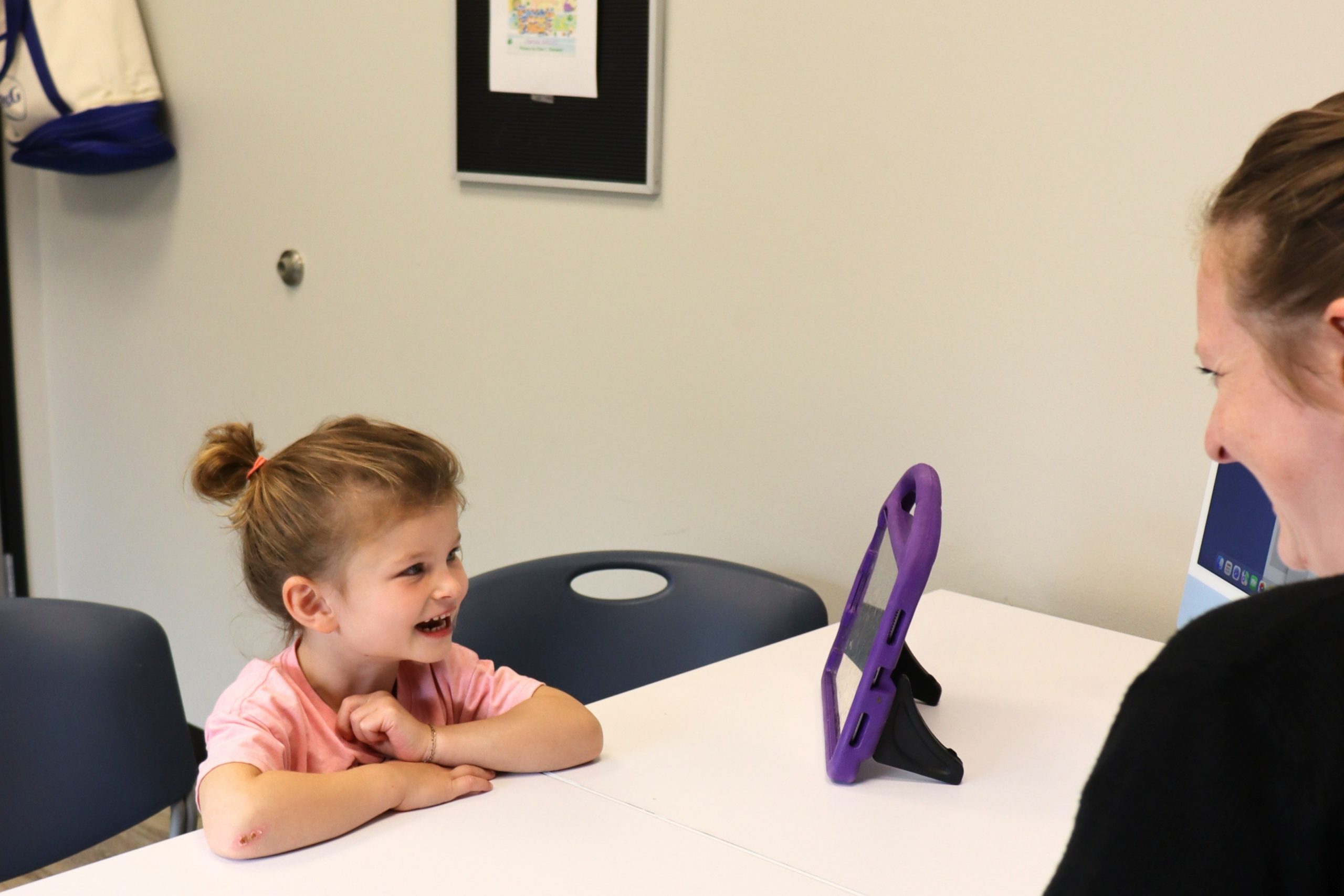
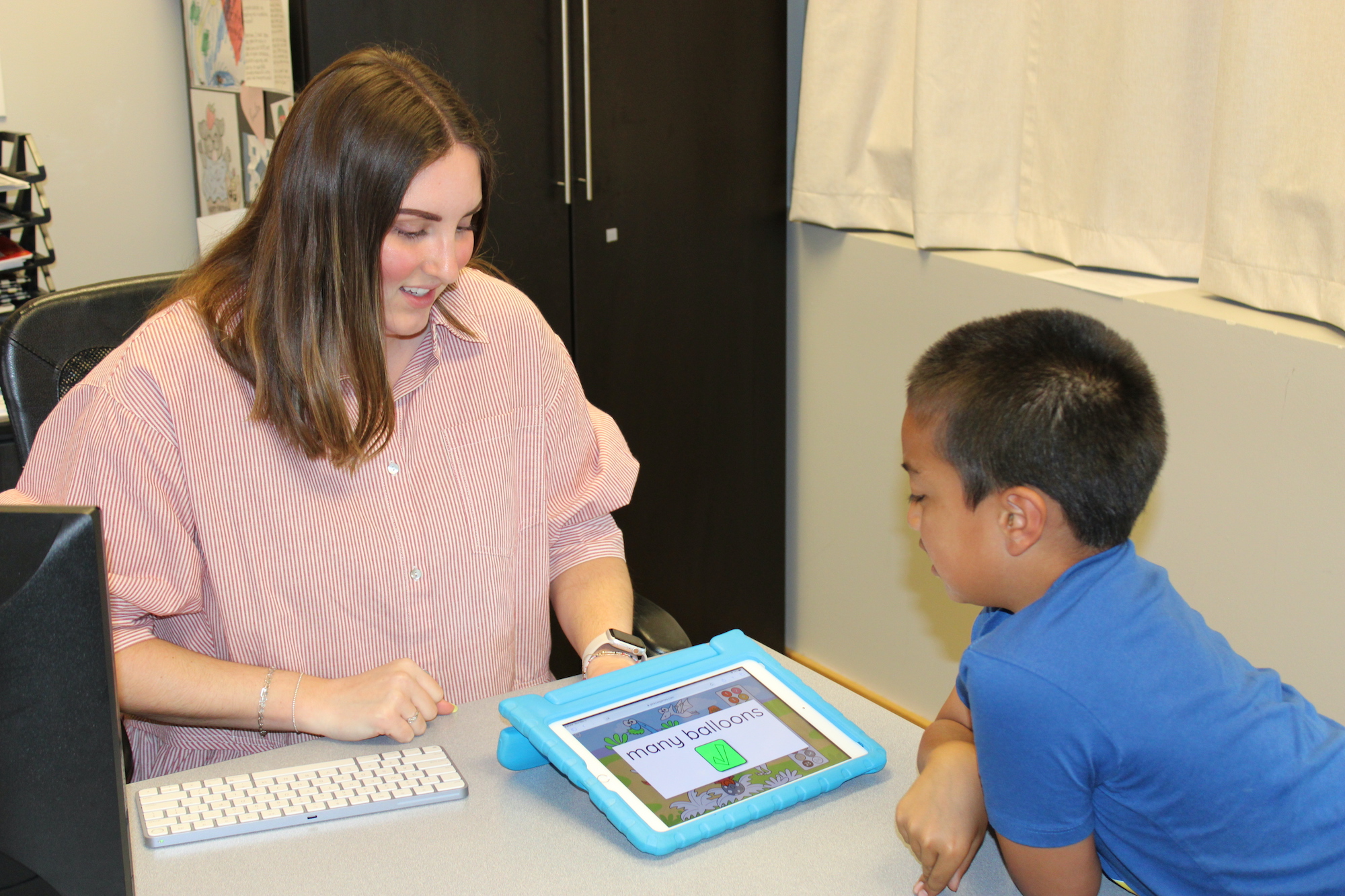
Private clinics typically offer individual sessions, which give kids the one-on-one attention they need. Your child’s therapist can pace the session exactly where your child needs it, and your child is always the star of the show.
Academically Necessary vs. Medically Necessary
Qualification for services in school is based on “academic necessity.” This means speech, language, or social concerns must be barriers to the child’s ability to learn and perform in a classroom setting.
Private settings, by contrast, qualify children based on “medical necessity.” This means speech, language, and social skills that fall outside scientifically based normative data qualify for services.
This difference sometimes shows up in children with mild delays. In some cases, these students will not qualify for extra support at school because the delay is not yet hurting their academics. Private services can target more medically based needs, such as myofunctional or oral-motor difficulties that affect speech development.
How ETLC Works With Your Child’s School
At ETLC, we always encourage families to take part in school-based services if their child qualifies. We love working with other professionals toward shared goals for your child. In addition, research supports the idea that more frequent therapy tends to be most helpful for many goal areas. If it is possible, try to schedule private services on days your child does not already have services at school.
Frequently Asked Questions
Will private therapy interfere with school speech services?
No. Both can work on your child’s goals, and having two SLPs involved can help your child meet goals faster. Sharing information between the two teams helps even more.
Why would my child qualify for private services but not school services?
School services require that the concern affects your child’s learning in the classroom. Private services qualify children based on medical necessity, so a mild delay that is not yet affecting grades may still qualify.
Is school therapy enough?
For some children it is. If your child is only seen for short sessions at school and progress is slow, extra private sessions can add the frequency and one-on-one time they may need.
How ETLC Can Help
If your child takes part in therapy only at school and you are wondering whether that is enough, we are here to help. Enrichment Therapy & Learning Center has locations in Johnston and North Liberty, IA, with virtual services also available.
Learn more about speech and language services at ETLC or schedule a free consultation to talk about how to get started.
You may also find these pages helpful:
- Evaluation Process at ETLC: What to Expect
- Speech Therapy and Tutoring FAQs: What to Expect at ETLC
- How to Make the Most of Parent-Teacher Conferences
About the Author
Sonia Strueby, M.A., CCC-SLP, is the founder of Enrichment Therapy & Learning Center. With over 25 years of experience as a speech-language pathologist, Sonia has dedicated her career to helping children overcome complex communication and academic challenges. She has advanced training and a special focus on treating dyslexia and childhood apraxia of speech, and she is passionate about providing families with a clear path to success.

0 Comments