

Originally Published: June 27, 2023 | Updated: September 2, 2026
If you have concerns about your child’s speech or language development, or they’ve recently been diagnosed with a speech or language disorder, you probably have questions. How did this happen? How concerned should you be? In many cases, the causes of speech and language disorders remain unknown. The most important thing to know is that help is available.
Making sure your child receives an evaluation and recommended therapy as early as possible is key to improving their communication skills. Early intervention doesn’t just improve speech and language skills. It can also boost your child’s confidence, social skills, and academic skills.
That said, according to ASHA, the following risk factors can contribute to the presence of speech and language disorders:
Family History of Communication Difficulties or Disorders
Suppose a family member has a history of a speech or language impairment, like late development of speech sounds, stuttering, or being a late talker. In that case, a delay in your child may be more likely to require intervention or therapy to support them in developing age-appropriate skills.
History of Ear Infections and/or Ear Tubes
Multiple ear infections during infancy and early childhood can affect how well a child hears speech sounds. As a result, they may struggle to learn those sounds, which can impact the development of age-appropriate speech.
Diagnosis of a Condition, Syndrome, or Disorder
Consider whether your child has received a diagnosis linked to speech and language deficits, such as cleft lip or palate, failure to thrive, autism, premature birth, or Down syndrome. These conditions can affect a variety of areas that benefit from therapeutic support, often starting at a young age.
ETLC Is Here to Help Your Child Succeed
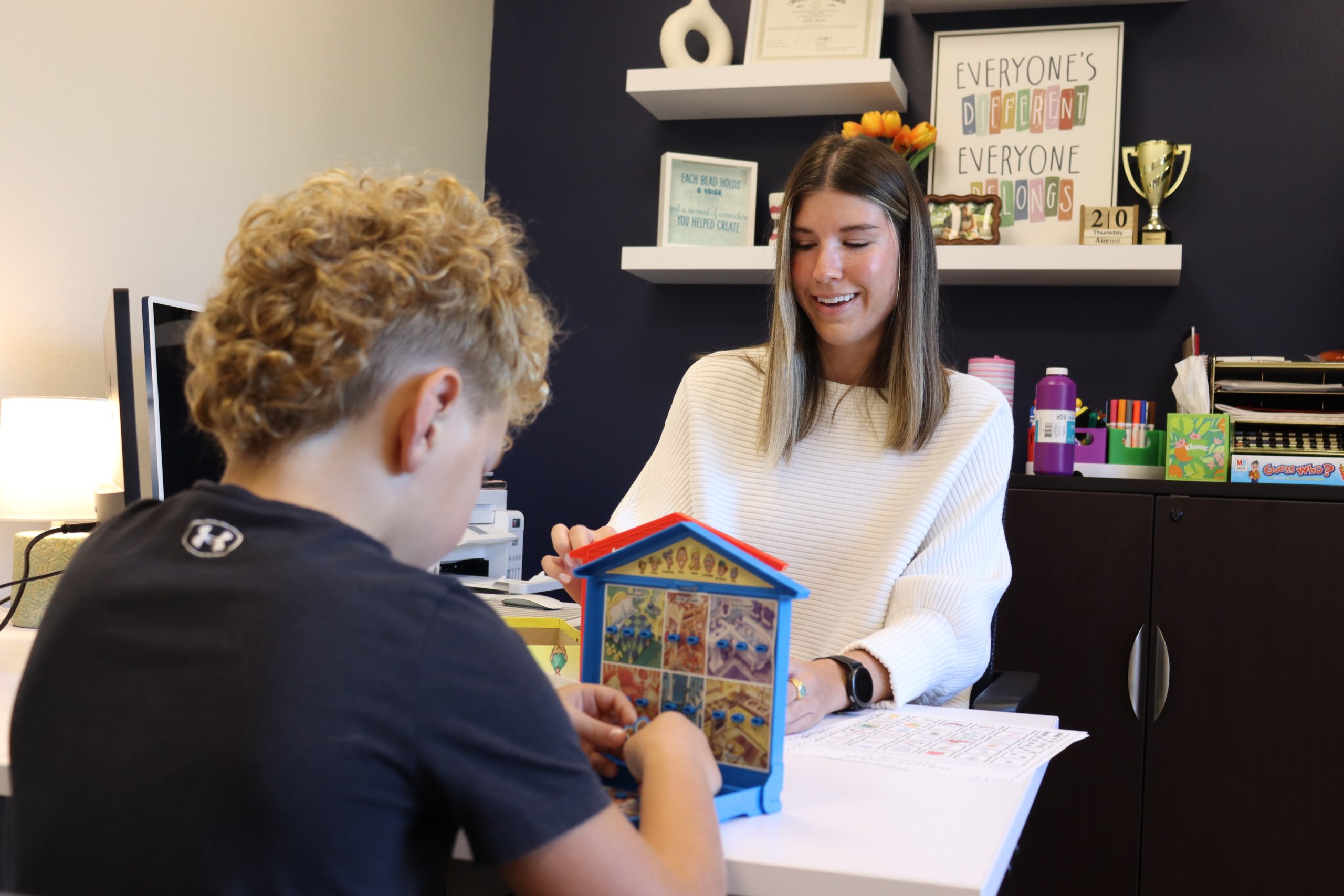
At Enrichment Therapy & Learning Center, we strive to provide a comfortable, supportive environment alongside high-quality therapy services that build each child’s skills. We also partner closely with parents and other caregivers to help generalize skills and strategies beyond the therapy room. If you have concerns about your child’s development, please contact us.


0 Comments