

Originally Published: November 14, 2024 | Updated: October 5, 2026
Have you ever wondered if your child is getting good sleep? Does your child wake up groggy and tired even after seemingly getting a full night’s rest? There may be underlying causes that aren’t obvious unless you know what to look for. The American Academy of Pediatrics recommends that doctors screen all children for snoring at routine visits, because snoring can be a sign of a breathing problem during sleep. Let’s talk about some warning signs to watch for.
Odd Sleep Positions
The body is always working to get the proper amount of oxygen, and if that isn’t happening, it starts doing things differently to get more. If you notice frequent moving or restlessness, unusual or contorted positions, stomach sleeping, or hyperextension of the neck, these may be signs of poor breathing during sleep. The body may be shifting position to try to open up the airway.
Teeth Grinding
Similar to sleeping in odd positions to help open the airway, teeth grinding can also be the body’s way of trying to open the airway to get more air.
Mouth Breathing and Audible Breathing
The body is designed to breathe through the nose at all times. Mouth breathing is meant to be a secondary, backup survival mechanism. Whether sleeping or awake, breathing should be quiet and not audible. Breathing through the nose helps keep air warm, humidified, and filtered. Mouth breathing, on the other hand, keeps the body in fight-or-flight mode, dehydrates it, and skips the natural filtering process before air enters the body.
Snoring
Snoring is closely related to mouth breathing and audible breathing, since someone who’s snoring is also mouth breathing.
Dental Issues
The mouth offers a lot of helpful clues about sleep-disordered breathing. Some dental issues linked to it include teeth crowding and malocclusions, a high or narrow palate, excessive plaque buildup, bleeding gums, a high rate of cavities, jaw jutting, and unusual wear on teeth.
ADHD-Like Symptoms
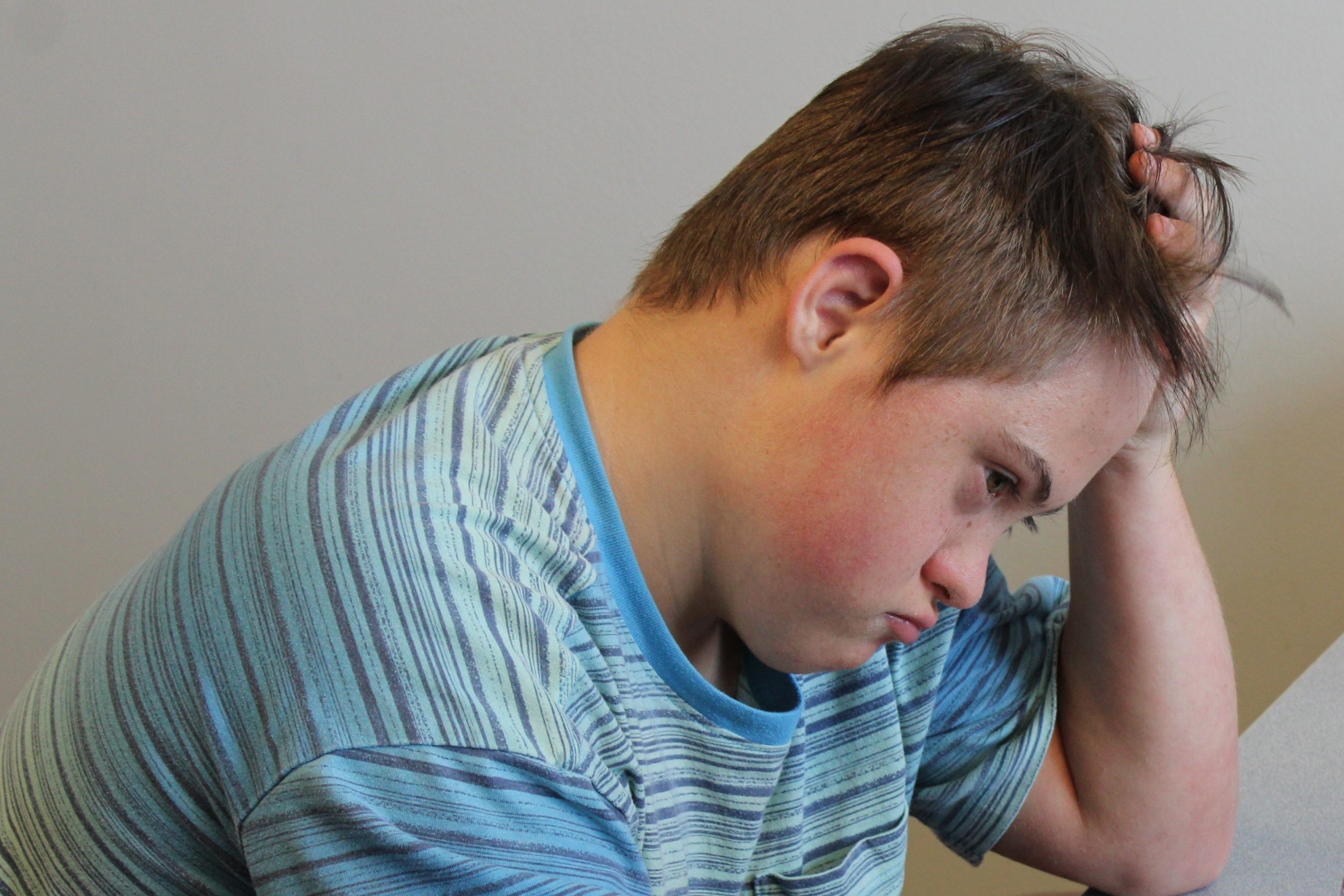
If the body isn’t reaching deep sleep and stays in fight-or-flight mode throughout the night, your child will likely wake up tired and may show ADHD-like symptoms as a result. These can include irritability, difficulty focusing, anxiety, and hyperactivity.
Bed Wetting
Poor breathing keeps the body’s sympathetic nervous system engaged and prevents your child from reaching deep sleep. Normally, the body slows down urine production at night to support sleeping through the night. However, when the body gets reduced oxygen and doesn’t get quality sleep, this can lead to bedwetting or frequent waking to use the bathroom.
We’re Here to Help
If you’re noticing any of these signs in your child, it’s worth having their breathing and oral function evaluated. Contact our team at ETLC to learn more or schedule a screening.

0 Comments