


Written by: Sonia Strueby, M.A., CCC-SLP, Founder of Enrichment Therapy & Learning Center
Originally Published: August 24, 2023 | Updated: August 27, 2026
Speech-language pathologists often call it an “oral mech” exam. This quick, hands-on assessment looks at the mouth’s structures and function. It focuses on how they relate to speech, feeding, and swallowing. It’s a common, non-invasive part of many speech and feeding evaluations. It also helps your child’s therapist understand what might be contributing to the difficulties you’re seeing. Here’s what it involves and what it can uncover.
What Is an Oral Mechanism Exam?
An oral mech exam looks closely at the face, tongue, jaw, lips, teeth, the roof and floor of the mouth, and the tonsils. The examining speech-language pathologist (SLP) evaluates two things. First, the anatomy of these structures, or how they’re built. Second, their function, or how well they move and work together. Together, these findings show whether the structures may be contributing to speech or feeding difficulties.
What Should I Expect During an Oral Mechanism Exam?
During an oral mech exam, the SLP typically takes pictures or short videos. These capture your child’s mouth and surrounding structures. The exam usually takes about 10-15 minutes, depending on your child.
The SLP will ask your child to follow simple directions. These might include opening their mouth, moving their tongue, or making certain sounds. This helps the SLP get a clear picture of how these structures function. Once the exam is finished, your child’s therapist will put together a report. This often includes photos, and they’ll walk you through what they found.
What Might Be Found During an Oral Mechanism Exam?
Every child’s oral structures and function are a little different. That’s exactly why it’s important to have a qualified professional complete this exam. Some common findings include:
- Oral motor dysfunction: the muscles of the mouth don’t coordinate movement efficiently
- Tethered oral tissues: restrictions of the tongue, lip, or cheek tissue (tongue-tie or lip-tie) that limit range of motion
- Enlarged tonsils: can affect breathing, swallowing, or speech clarity
- A narrow palate: can influence tongue position and sound production
- A sensitive gag reflex: can make certain textures or oral tasks more challenging
Whatever the exam finds, your child’s SLP will explain the results in plain language. They’ll also talk through what it means for next steps.
Is an Oral Mechanism Exam Uncomfortable for My Child?
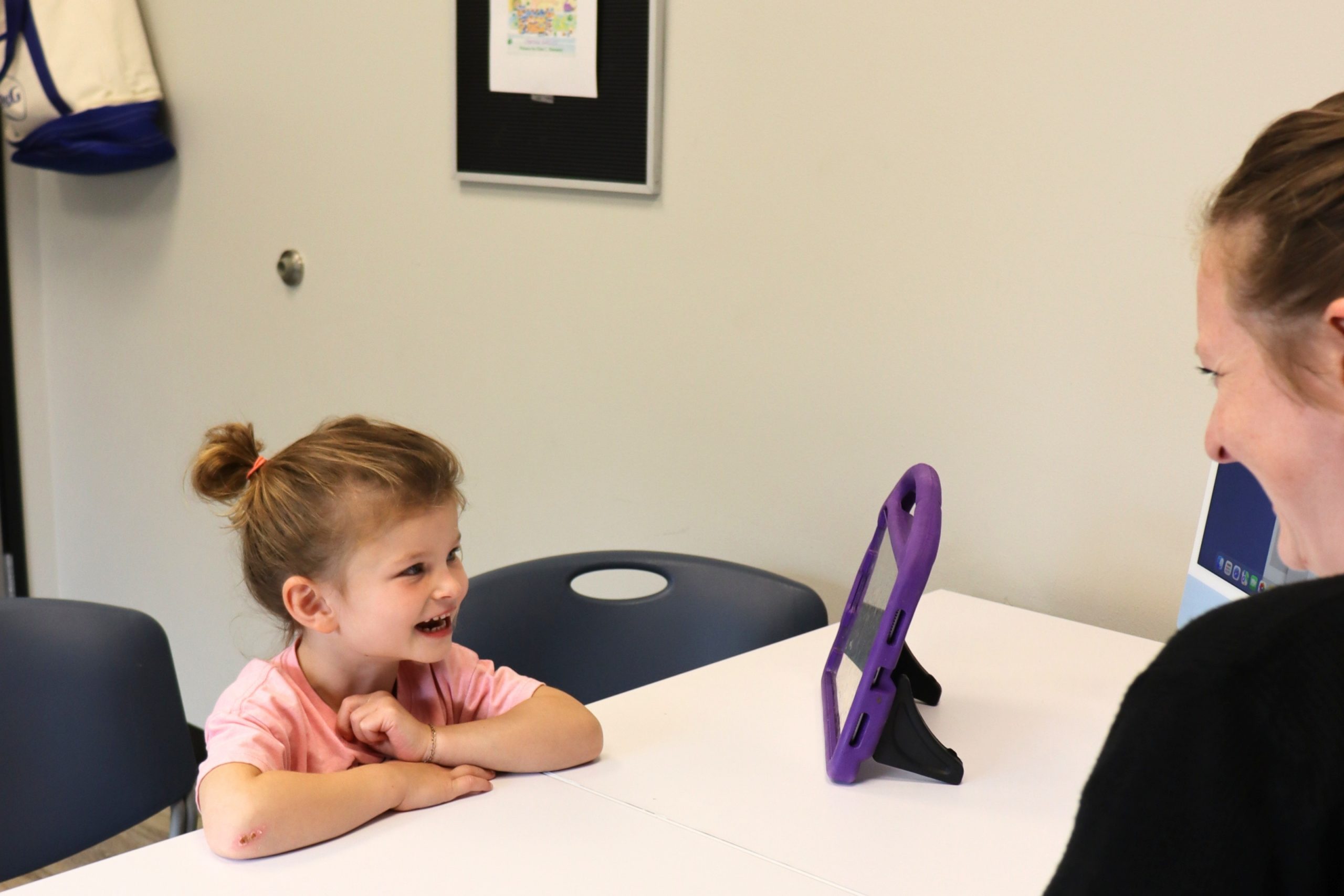
No. Kids typically tolerate an oral mech exam well since it’s non-invasive. It mostly involves following simple directions and having a few pictures taken. Experienced SLPs also know how to keep the process comfortable and even playful for young children.
When Should I Seek Help?
Consider an oral mechanism exam if your child has unclear speech or difficulty with certain sounds. Ongoing feeding or picky eating challenges are another sign. So is frequent drooling past the toddler years. The same goes if you’ve noticed signs like mouth breathing or tongue thrust. In any of these cases, an oral mechanism exam is often a helpful first step.
ASHA offers guidance on speech sound disorders. According to ASHA, an oral mechanism exam is a standard part of a comprehensive speech evaluation. It helps rule in or rule out structural or functional causes behind a child’s speech difficulties.
Schedule a Screening with ETLC Today
If you have questions about your child’s speech, feeding, or oral motor development, contact our team today to schedule a screening.



0 Comments