


The last few months of the year bring a packed calendar of family get-togethers and outings. These events are meant to be fun for everyone, but they can be stressful for kids with social struggles during the holidays. A little preparation goes a long way toward making the season easier for your whole family. Here are some tips to help your holiday gatherings feel more manageable.
Why Are Holiday Gatherings Extra Hard for Some Kids?
Holiday events pack a lot into a short window. Unfamiliar routines, a house full of relatives, small talk, new foods, and several events back to back can add up fast. For a child who finds social situations challenging, that combination can feel overwhelming, even when the day is meant to be joyful.
Practice Conversations Ahead of Time
Help your child get ready for conversations by practicing at home first. Family members will likely ask how school is going, which can be a tough topic if your child struggles in the classroom. Give them a few ready-made responses, like “I really like art class. We’re making nature paintings.”
It also helps to practice talking with other kids at the gathering. Come up with a few conversation starters together, such as “Are you playing any sports?” or “Do you like video games?” When your child feels prepared, their confidence can grow, and they may feel more comfortable talking with relatives.
Let Your Child Know What to Expect
Give your child a rundown of what the day will look like. Cover what happens when you arrive, who will be there, where they can play, and how long you will stay. If you know what food will be served, share that ahead of time too. If gifts will be exchanged, let your child know in advance, and gently remind them of ways to thank people for what they receive.
Give Options
Kids tend to handle situations more smoothly when they have some choice. For food, offer options instead of open-ended questions: “Do you want to try a bite of the turkey or the green beans?” The same goes for activities: “Do you want to play with the other kids, or sit with me while I talk with Grandma?” Choices give your child a sense of control during an unpredictable day.
Build in Downtime and Keep Some Routine
According to the Child Mind Institute, kids still need their usual anchors during the holidays. Snack time, some quiet time, and a chance to unwind before bed all matter, even when the schedule is unusual. Where possible, avoid stacking several demanding events into one day, and build in a little downtime between activities instead. Protecting these small routines can make a difference in how your child handles a packed season.
Practice Social Skills Through Holiday Fun
The holidays are also a good time to practice social skills. Here are some ways to do it during your favorite traditions.
Holiday Role-Play
The best way to practice a social routine is to role-play it together. Create scenarios like gift-giving, holiday greetings, or different family gatherings. Kids can practice saying “thank you” or starting conversations with people they don’t see often. Switch up the routine so your child can prepare for different situations, which takes some of the guesswork out of what is expected.
Sharing and Turn-Taking
Play holiday games and make crafts with your child. This gives them a natural way to practice turn-taking and sharing, and it can involve the whole family. Encourage your child to share, be patient, and wait for their turn. For more ideas, see our post on boosting social skills with fun activities.
Practice Manners for Holiday Meals
Much of the holiday season centers on shared meals. Before a special meal, let your child practice saying “please” and “thank you,” and come up with some conversation starters that fit the dinner table. You can do this at a real meal or set up a pretend one.
Holiday Charades
Gather the family for a game of holiday charades. Your child can act out holiday scenes, like opening a gift, baking cookies, or decorating a tree. This is fun for a game night, and it also helps build nonverbal communication skills.
After the Gathering: Celebrate the Wins
After each family gathering, praise your child for what they did well. These situations aren’t easy for kids, so even if the day didn’t go exactly as hoped, point out one or two specific things they did well. This can help build their confidence for the next event.
When Should I Seek Help?
Consider a social skills or social communication evaluation if your child’s social struggles feel bigger than one holiday season. Look for signs that show up consistently across school, friendships, and everyday routines, and talk with a speech-language pathologist about next steps. Support outside of the holidays can make gatherings, and everyday life, easier too.
Frequently Asked Questions
What if my child doesn’t want to go to a gathering?
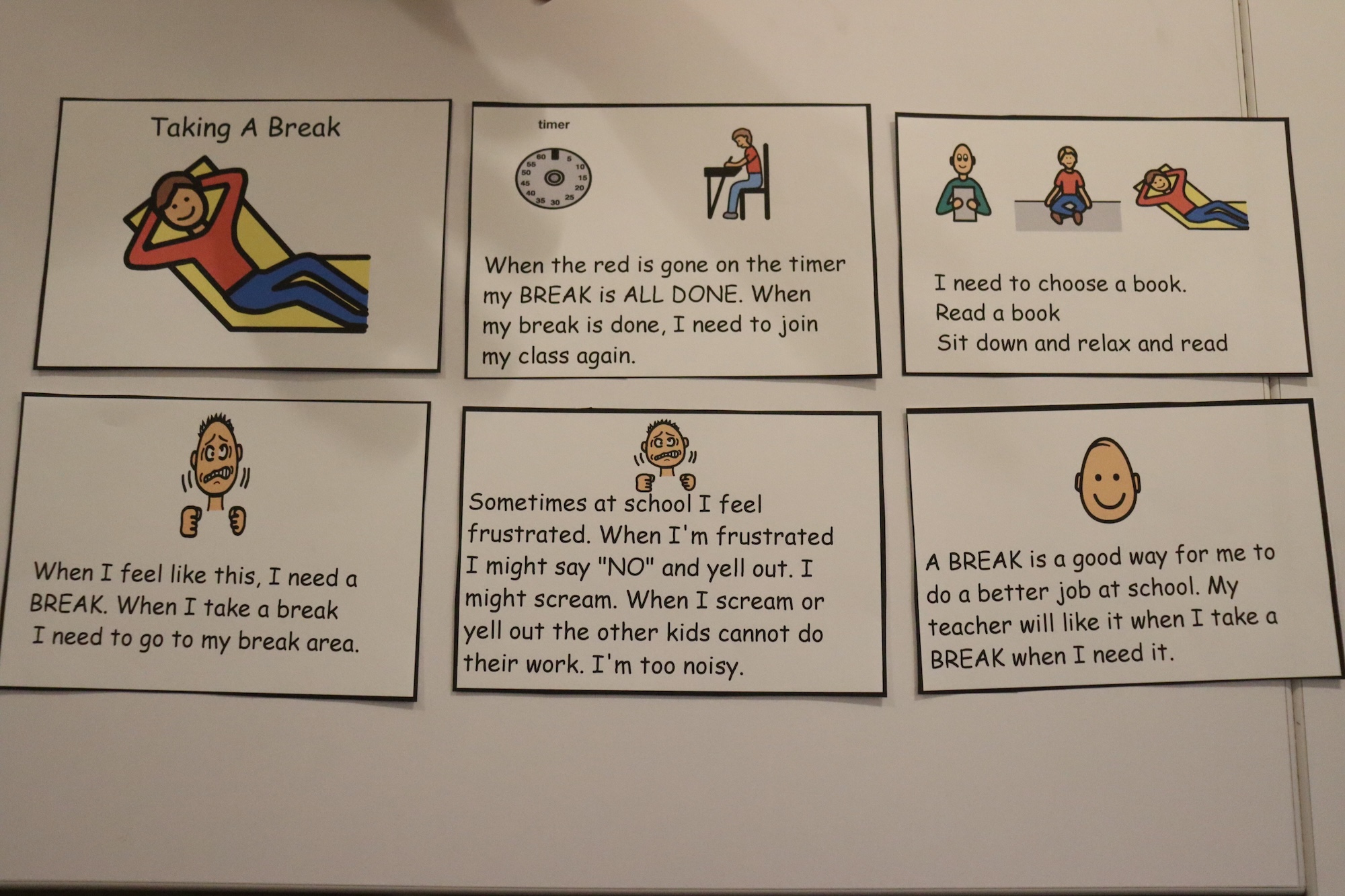
Listen to their worries first. Then talk about what to expect, offer choices, and plan a quiet spot or break if they need one.
How early should I start preparing?
A few days before is often enough, though some children do better with a week of short practice sessions. Keep practice playful and short.
Should I make my child hug or greet relatives?
Offer options instead of requiring a hug, such as a wave, a high five, or a simple “hello.” This lets your child greet people in a way that feels comfortable.
How ETLC Can Help
If you have questions about your child’s social skills, our team is here to help. Enrichment Therapy & Learning Center has locations in Johnston and North Liberty, IA, with virtual services also available.
Learn more about social skills support at ETLC or schedule a free consultation to talk with a member of our team.
You may also find these pages helpful:
About the Author
Sonia Strueby, M.A., CCC-SLP, is the founder of Enrichment Therapy & Learning Center. With over 25 years of experience as a speech-language pathologist, Sonia has dedicated her career to helping children overcome complex communication and academic challenges. She has advanced training and a special focus on treating dyslexia and childhood apraxia of speech, and she is passionate about providing families with a clear path to success.

0 Comments