


Written by: Sonia Strueby, M.A., CCC-SLP, Founder of Enrichment Therapy & Learning Center
Originally Published: March 4, 2019 | Updated: August 31, 2026
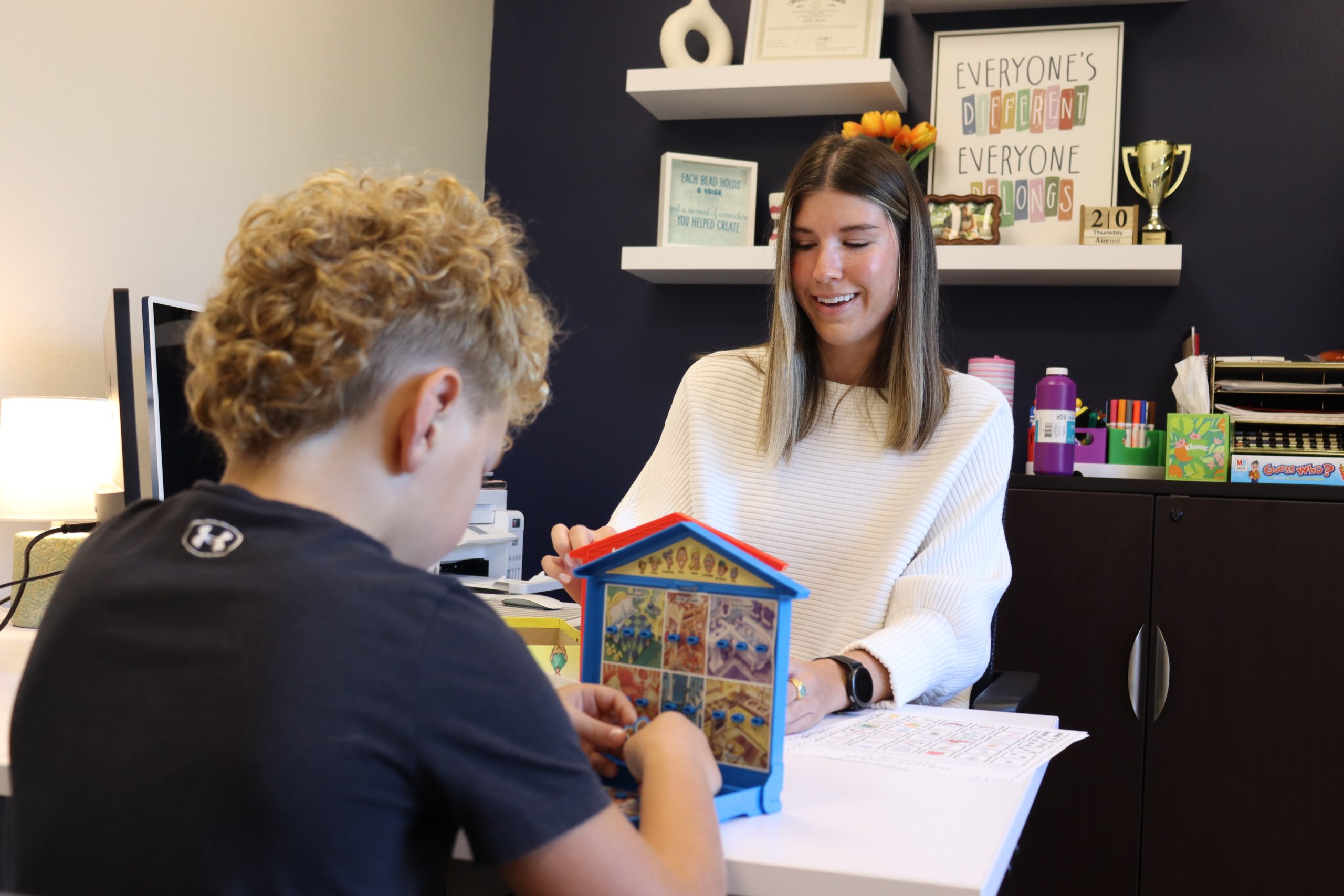
Have you ever wondered what treatment approaches are used at Enrichment Therapy & Learning Center (ETLC)? All of our therapists hold master’s degrees in Speech-Language Pathology. In addition, they continually pursue training in the most current evidence-based practices available. As a result, your child benefits from a wide, well-researched toolkit rather than a one-size-fits-all program. Here’s a look at the approaches our speech-language pathologists draw from, organized by area of need.
Why Does ETLC Use So Many Different Therapy Approaches?
No two children learn or communicate in exactly the same way, so no single method works best for every child. Because we keep a broad range of evidence-based approaches available, your child’s therapist can choose, and often combine, the specific tools that fit your child’s individual needs. This means your child fits the plan, instead of your child fitting a single program.
Which Approaches Help With Articulation and Apraxia of Speech?
- Traditional and Cyclical methods of articulation therapy, well-established approaches for building clear, accurate speech sounds
- PROMPT (Prompts for Restructuring Oral Muscular Phonetic Targets), a tactile, touch-cue approach that helps children learn correct jaw, lip, and tongue placement for speech
- TalkTools Functional Assessment & Remediation of Tethered Oral Tissues (TOTs), an approach that assesses and addresses how tongue-tie or other tethered oral tissue may affect speech and oral function
Which Methods Support Expressive and Receptive Language?
- Visualizing and Verbalizing from Lindamood-Bell, a program that builds the ability to create mental images from language, supporting comprehension and expressive language. Curious how this works? Check out our blog on visualizing strategies
- Talkies Program for Oral Language, also from Lindamood-Bell, which builds oral language and comprehension skills
- 7 Structure Words and 12 Structure Words, structured tools for building sentence complexity and grammatical understanding
- Focused stimulation, a naturalistic technique that targets specific expressive and receptive language skills through repeated, meaningful exposure during everyday interaction
How Does ETLC Support Kids With Dyslexia?
- Orton-Gillingham Multisensory Approach, a well-established, structured literacy method that teaches reading and spelling using visual, auditory, and kinesthetic-tactile pathways together
- Barton Reading & Spelling System, a structured, sequential program for building reading and spelling skills
- Seeing Stars from Lindamood-Bell, which builds symbol imagery for reading and spelling accuracy and fluency
- LiPS, also from Lindamood-Bell, which develops phonemic and phonological processing, the ability to identify and manipulate individual sounds in words
- Visualizing and Verbalizing, also used to support reading comprehension for students with dyslexia
Which Programs Build Social Skills?
- Social Thinking Curriculum, including tools like “How Big Is My Problem?” to help kids match the size of their reaction to the size of the actual problem
- Inner Coach vs. Inner Critic, a strategy we also teach at ETLC to help kids build a more supportive inner voice
- The Incredible Flexible You, a Social Thinking curriculum for preschool and elementary students, based on the Incredible 5-Point Scale for behavior support
- Zones of Regulation, a framework that helps kids identify and manage their emotional states
- Whole Body Listening Larry, a tool for teaching what active, whole-body listening looks like at home and school
- You Are a Social Detective, which builds skills for reading social cues and situations
- Expected vs. Unexpected Behaviors, a framework for helping kids understand how their actions affect how others perceive and respond to them
How Do We Choose These Methods for My Child?
A thorough evaluation of your child’s individual strengths and needs shapes their specific approach. Rather than starting with a program and fitting your child into it, our therapists start with your child. Then, they select, and often blend, the methods most likely to help them reach their goals.
When Should I Seek an Evaluation?
If you have questions about your child’s speech, language, reading, or social skills, or you’re simply curious which of these approaches might be a good fit, a screening or evaluation is a great first step. It gives our team the information needed to build a plan specific to your child.
Learn More About How We Can Help
Curious which of these approaches might be the right fit for your child? Contact our team at ETLC to learn more or schedule a screening.


0 Comments