

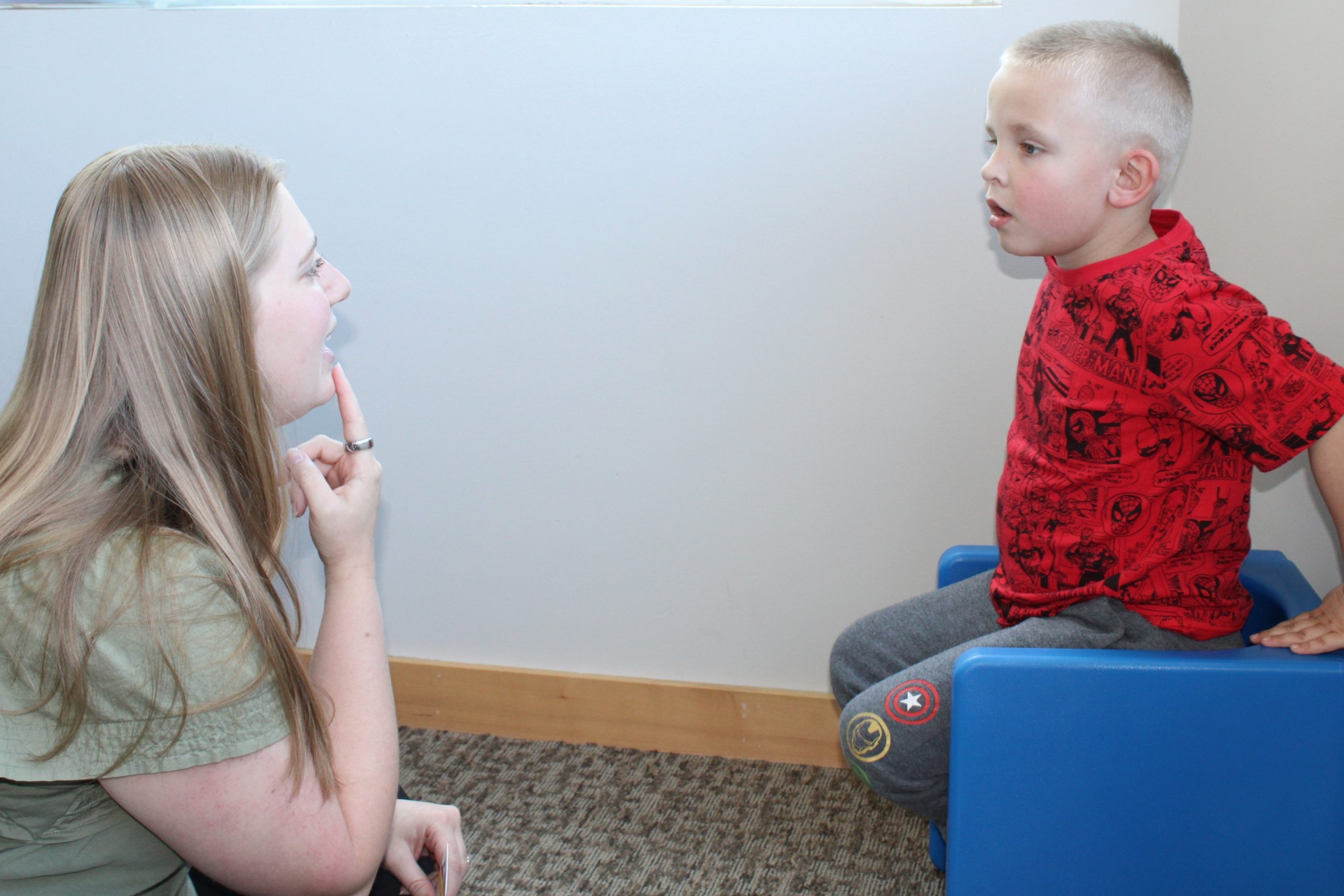
Parents spend the most time with their children, which makes you your child’s first and most important teacher. Language development doesn’t stop once you leave the therapy room. Children soak up the most language at home, so your child is always learning. They are like a sponge, absorbing everything around them, which means the way you talk to your child matters.
The task of building language may seem daunting on top of loads of laundry and chauffeuring kids to activities. Don’t worry. The beauty of language is that it is already built into everything we do, and our specialists are here to help you make the most of it.
Create Routines
Routines are important because they happen daily and a child can anticipate what will come next. They are also a great way to reinforce communication and learning. As you read the tips below, we challenge you to brainstorm ways to work these language strategies into your own daily routines. Common examples include getting dressed, eating a meal, bath time, cleaning up toys, brushing teeth, and play routines.
Narrate Frequently
Talk often to your kids and narrate activities as you go. You might feel like you’re closed captioning playtime, but children learn through observing, and matching words to actions is key. For example, if you are setting the table before a meal, you might say, “Here is a plate. Let’s put it on the table.” As you move through your day, keep saying what you are doing.
Your child is learning each time they hear you talk, so model the language you want them to learn and use. It helps to use short, complete sentences and slow down the rate of your speech so your child can understand. Speech that isn’t rushed, with pauses between sentences and longer wait time between turns, also shows your child that they have time to say what they want to say and that you will wait for them to share their thoughts.
The American Speech-Language-Hearing Association also has a helpful resource on communication milestones by age.
Expand on What They Know
Add on to what your child says to model language. If your child says, “car,” you could respond, “Yes, that is your car.” You can take it one step further by adding one or two words to what your child says. When your child says “ball,” you can say “Yes, red ball.” Now you are not only reinforcing the language they are using, you are also giving them new vocabulary.
When your child talks to you, be present in the moment. Giving your undivided attention lets them know that what they are saying is important. Then give clear, encouraging feedback.
Remember Repetition Is Key
Have you noticed that your kids love to hear you sing their favorite nursery rhymes over and over (does Baby Shark count?), or that they want to hear the same book ten times a day? Kids learn through repetition. Stories and songs with repeated phrases are a wonderful way to expand your child’s vocabulary.
Each time you sing the song or read the story, your child is learning more words. You will begin to hear them join in the song or fill in the end of a phrase in a familiar story.
Be Patient
As parents, we anticipate our child’s needs. Instead of immediately giving your child what you know they want, first notice all the ways they let you know what they want:
- Eye gaze: looking at you and then at the object they want
- Pointing or reaching: for a toy or snack that is out of reach
- Pulling: grabbing your hand and bringing you closer to what they want
- Crying or fussing: trying to get your attention
Behaviors are your child’s way of communicating with you before they have the words to do it. Use these moments to give your child a model of the words that would help them get what they want.
For example, if your child wants some crackers, you can label the item “cracker” and then hand them a small piece. As they reach for another bite, wait. Don’t hand it over right away. Pause and give another verbal model, holding the cracker slightly out of reach. Often, your child will begin to understand that words help them get what they want.
Before long, your child may attempt to say the word. They may say “ca” or even “ta-ta.” It may not sound exactly like the word you are saying, but when you hear an attempt at speech, honor it by giving them what they want, along with praise and encouragement. You could respond, “Yes! Cracker!”
Offer Clear Choices
If there is flexibility in a routine, give a clear choice between two options. You could hold up the two options and say, “It’s time to clean up. Would you like to get the blocks or the books?” This creates a connection between your words and the objects you are showing. It also gives your child a chance to gain some independence and build confidence in what they can do.
Choices can also grow your child’s vocabulary. For example, you might say, “It’s snack time. Would you like a banana or blueberries?” while showing both choices. This links each object with the word being said.
Spend Quality Time Together
Above all, enjoy this time with your little one. Learning through daily routines and playing together can be a wonderful experience for both of you.
Try It at Bath Time
Everyday routines are some of the best places to build language, and bath time is a great example. Here are simple ways to support your toddler’s language while they splash and play in the tub.
Describe and Label
Narrate what is happening with rich, descriptive words, such as “Look at the bubbly water!” or “Can you see the blue boat floating?” As your child plays, label their toys and actions. If they say “boat,” expand by saying, “Yes, that’s a big red boat!” This builds vocabulary and encourages longer phrases.
Add Songs, Books, and Imagination
- Songs and rhymes: adapt familiar tunes, like changing “Row, Row, Row Your Boat” to “Wash, Wash, Wash Your Hands.” Repeated phrases reinforce language patterns.
- Waterproof books: stories about bath time adventures introduce new words, and your child can point to pictures and describe what they see.
- Imaginative play: use bath toys to spark pretend play. Try saying, “I wonder what the duck wants to do today,” which encourages storytelling and dialogue.
Model, Repeat, and Ask
Children learn through imitation, so repeat words and phrases. If your child says “bubble,” you might respond, “Yes, look at all the bubbles! Pop, pop, the bubbles!” Once you have modeled several statements, you can add an open-ended question, such as “What do you think will happen if we pour water on the duck?” or “How does the sponge feel when it’s wet?” For more ideas, see our guide to building language through everyday play.
Frequently Asked Questions
How can I fit language building into a busy day?
You don’t need extra time. Language is already part of what you do, so start with one daily routine, like getting dressed or snack time, and narrate what you are doing as you go.
What if my child isn’t saying words yet?
Before children have words, they communicate with eye gaze, pointing, reaching, and sounds. Notice these signals, give your child the word that matches, and wait a moment before handing over what they want. Even an attempt at the word, like “ca” for cracker, is worth celebrating.
How do I know if my child is on track?
Our Ages & Stages resource lists communication milestones from newborn to age five, which gives you a place to start. If you have concerns about your child’s communication, a speech-language pathologist can help you find out more.
How ETLC Can Help
If you’re wondering whether your child is on track, you don’t have to wait to find out. Our Ages & Stages resource provides communication milestones from newborn to age five, and if you are concerned about your child’s communication development, our speech-language pathologists are here to help. Enrichment Therapy & Learning Center has locations in Johnston and North Liberty, IA, with virtual services also available.
Learn more about early intervention at ETLC or schedule a free consultation to talk with a member of our team.
You may also find these pages helpful:
- Speech-Language & Social Skills
- How to Build Your Child’s Language Skills Through Everyday Play
- 5 Easy Ways to Get Your Child to Talk During Play
About the Author
Sonia Strueby, M.A., CCC-SLP, is the founder of Enrichment Therapy & Learning Center. With over 25 years of experience as a speech-language pathologist, Sonia has dedicated her career to helping children overcome complex communication and academic challenges. She has advanced training and a special focus on treating dyslexia and childhood apraxia of speech, and she is passionate about providing families with a clear path to success.
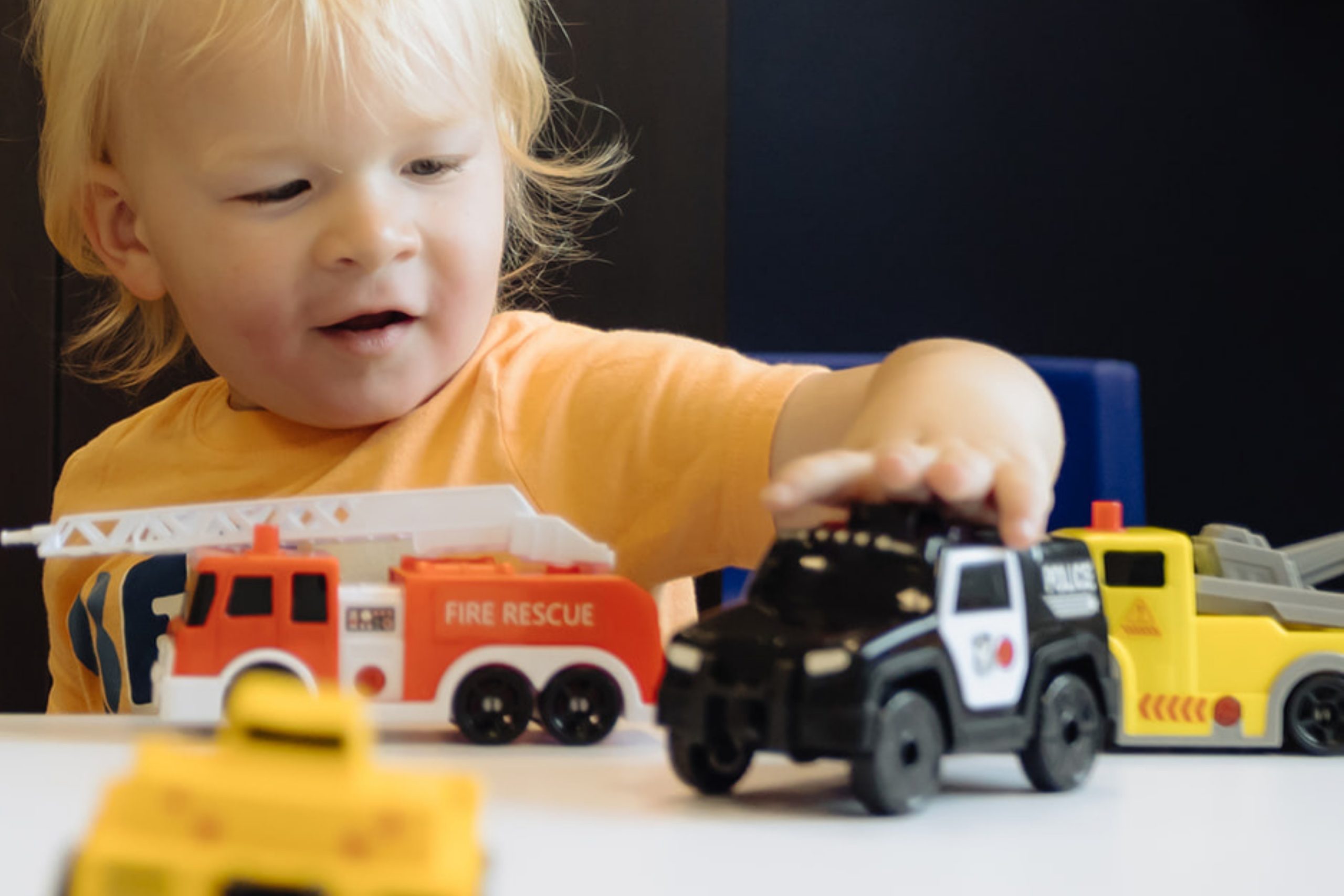

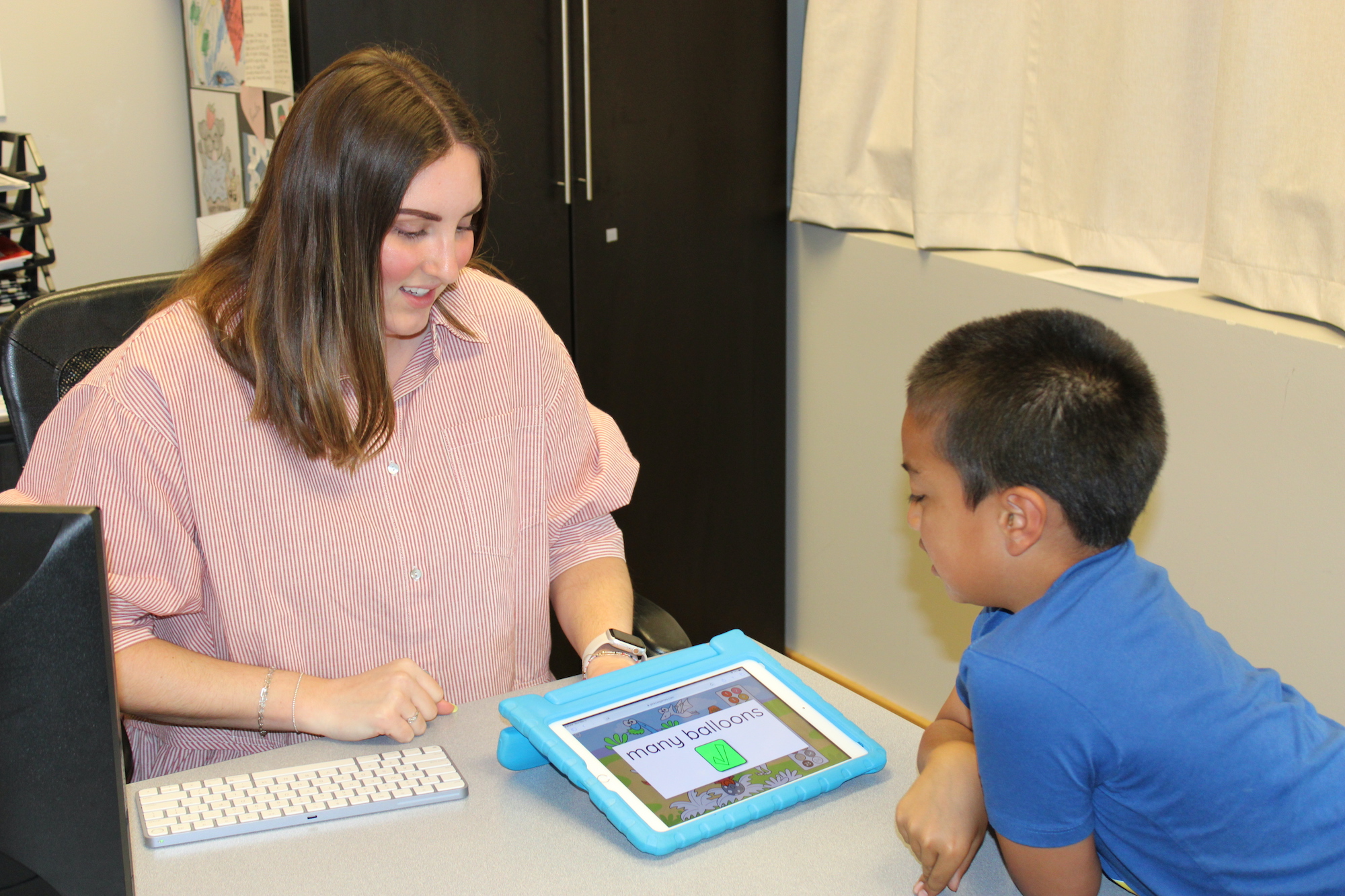

0 Comments