


Originally Published: October 29, 2020 | Updated: October 5, 2026
Multisensory learning for kids means learning using all of the senses in the body. When we think of traditional learning, we often stop at hearing and sight. While those senses are important for learning, incorporating all the senses can have great benefits for your child. To give children every opportunity to learn new information, we should engage them on as many sensory levels as we can: sight, hearing, taste, smell, touch, and movement.
Every lesson doesn’t need to include each and every sense, but the goal should be to let kids engage with materials in more than one way. This encourages children to learn. All kids benefit from multisensory lessons. When something is learned using more than one sense, the information is more likely to stay with them, and learning becomes more fun.
Why Multisensory Learning for Kids Helps
Multisensory learning can be especially helpful for kids who learn and think differently. According to Understood.org, providing more ways to experience a learning concept gives kids more opportunities to connect with the material. Multisensory learning allows kids to use their strengths to understand and work through problems, make meaningful connections, and remember the lesson.
Fun Ways to Add a Sensory Experience to Your Child’s Lessons
Sight
- Use color in your materials
- Add illustrations or photographs
- Make a video or watch one
- Create art
Hearing
- Use audiobooks
- Listen to podcasts
- Add music
- Create rhymes, chants, or songs
Touch
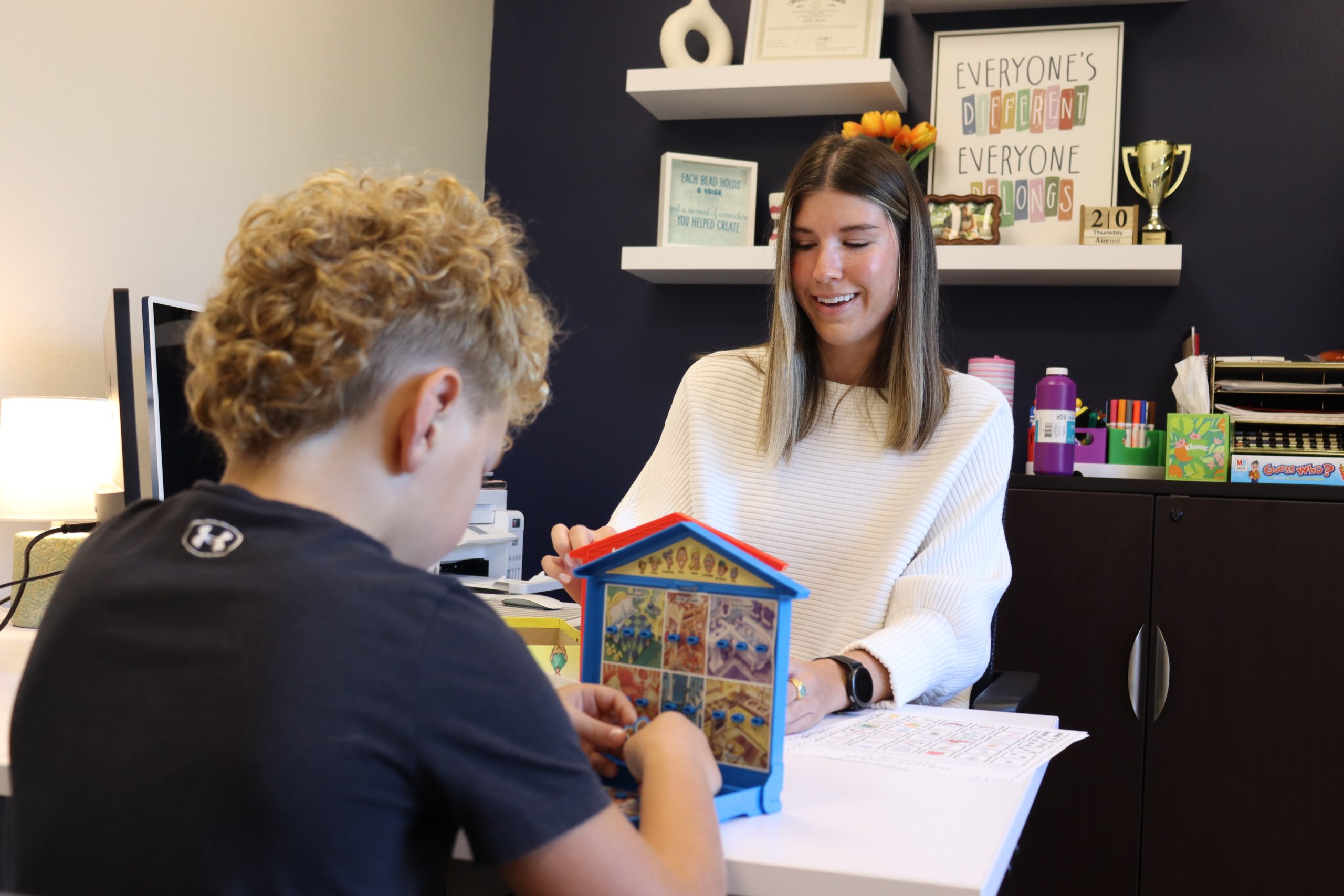
- Use manipulatives, like blocks, balls, or small toys
- Create with clay and sculpting materials
- Use sand, textured objects, finger paint, and textured paper
Movement
- Add clapping, stomping, jumping, dancing, or tossing a ball
Multisensory Activities to Get You Started
Try adding different senses to practice skills at home. Here are a few ways to try it:
- This activity will help your child learn their vowel combinations and give them a strong foundation for reading: 5 Fun Ways to Teach Vowels, Vowel Combinations, and Digraphs
- Add touch, vision, and movement to math practice: 5 Effective Math Manipulatives and How to Use Them
- Help your kids engage with books and improve comprehension with adapted books
We’re Here to Help
If you have questions about supporting your child’s learning through multisensory strategies, contact our team at ETLC. We’re happy to help.


0 Comments